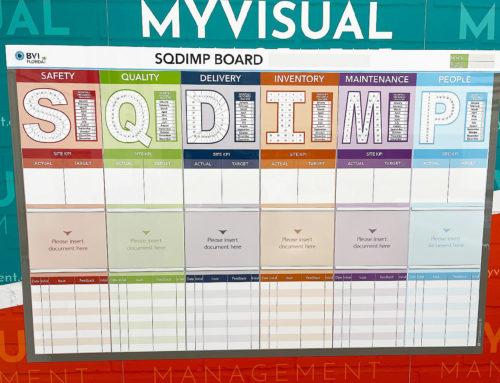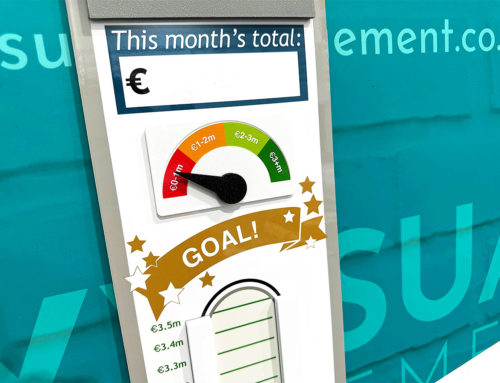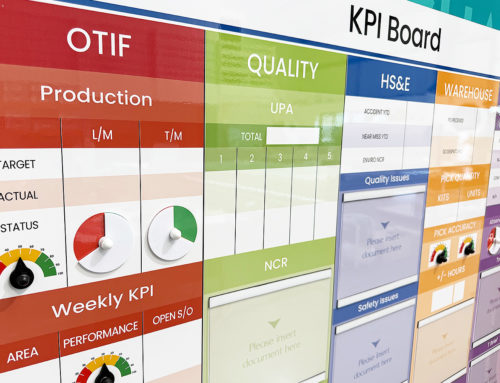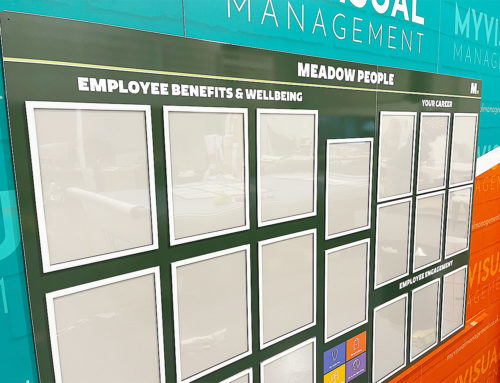


Best practice visual management enables clear, at-a-glance communication in the workplace. When information is visual, teams can quickly understand what is happening, what is expected, and what action is required.
Used effectively, visual management supports alignment, engagement, and continuous improvement by making key information visible at the point of use.
Why Visual Management Works
People naturally process visual information faster than written text. Best practice visual management harnesses this by using visual cues to communicate important messages quickly and consistently.
Visual information is easier to absorb and remember. As a result, teams can respond more effectively to changes, issues, and priorities without relying on lengthy explanations or reports.
Clear visual prompts help teams understand expectations instantly, supporting safer, more consistent ways of working.
Implementing Best Practice Visual Management
Successful visual management does not happen by accident. Time should be taken to implement it logically, focusing on one area at a time.
Working in achievable steps allows quality to be built into the process. Collaboration is also essential. When teams are involved in creating visual management boards, they are more likely to engage with them and keep them up to date.
The implementation process itself provides valuable feedback. It highlights priorities, exposes gaps, and helps organisations reflect on how work is actually carried out.
Adapting Visual Management to Your Workplace
Best practice visual management reflects the reality of daily operations. Boards should display the key performance indicators, targets, and results that matter most to the team using them.
Whether the focus is problem solving, safety, quality, or standard work, visual management benefits from rigour and consistency. Effective visuals reflect the organisation’s processes, culture, and working environment.
Positioning visual management where work happens also supports Gemba walks, making it easier to see performance and discuss improvement in context.
Building and Sustaining Positive Daily Habits
Visual management plays a key role in building and sustaining positive habits. Daily tracking tools make expectations and progress visible, reinforcing consistent behaviour.
Daily Management Boards provide a clear structure for reviewing performance and priorities. Similarly, 5S boards support workplace organisation, with particular emphasis on sustaining standards over time.
Visible routines help habits become part of everyday work rather than one-off initiatives.
Supporting Continuous Improvement
Visual management is highly effective, but it is not a standalone solution. Its real value comes when it is embedded within a culture of Continuous Improvement.
Used in this way, visual management acts as a visible reflection of improvement activity. It helps teams see progress, identify issues, and focus effort where it is most needed.
By making improvement visible, organisations can move from reactive responses to proactive improvement.
Using Visual Controls to Drive Action
Visual controls are universal communicators. They work at a glance and guide behaviour without the need for explanation.
Effective visual controls:
-
Make targets and status instantly visible
-
Highlight deviations clearly
-
Prompt timely action
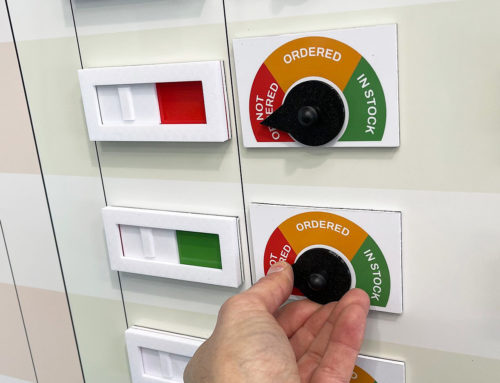
Visual status indicators, in particular, are powerful and versatile tools. They support safety, quality, delivery, and performance by turning information into action.
Making Visual Management Engaging and Easy to Use
For visual management to work, it must be intuitive. Visuals should be self-explanatory and quick to understand.
If guidance is required to explain a visual, it is likely too complex. Similarly, if updates take too long, engagement will drop. Effective visual management is easy to update in real time and simple to maintain.
Ease of use supports consistency, which is essential for long-term success.
Final Thoughts
Best practice visual management brings clarity, focus, and engagement to the workplace. By making key information visible, organisations support better communication, stronger habits, and sustained improvement.
When visual management reflects real work and is used consistently, it becomes a powerful enabler of continuous improvement rather than just a display.
Visual, functional, intuitive and driving compliance

Supporting all aspects of management

Make status instantly clear and visual.

Visually work through your processes.

Visual management is engaging.

Reflect your own Daily Management metrics.

Bright and engaging visuals for optimum impact.

Visual management creates a space for collaboration like this Performance Obeya.

Find solutions visually.
Further examples


Environmental Services Huddle board

Production Area 5S Board

Short Interval Control status

6S Performance Tracker board

Site Safety board
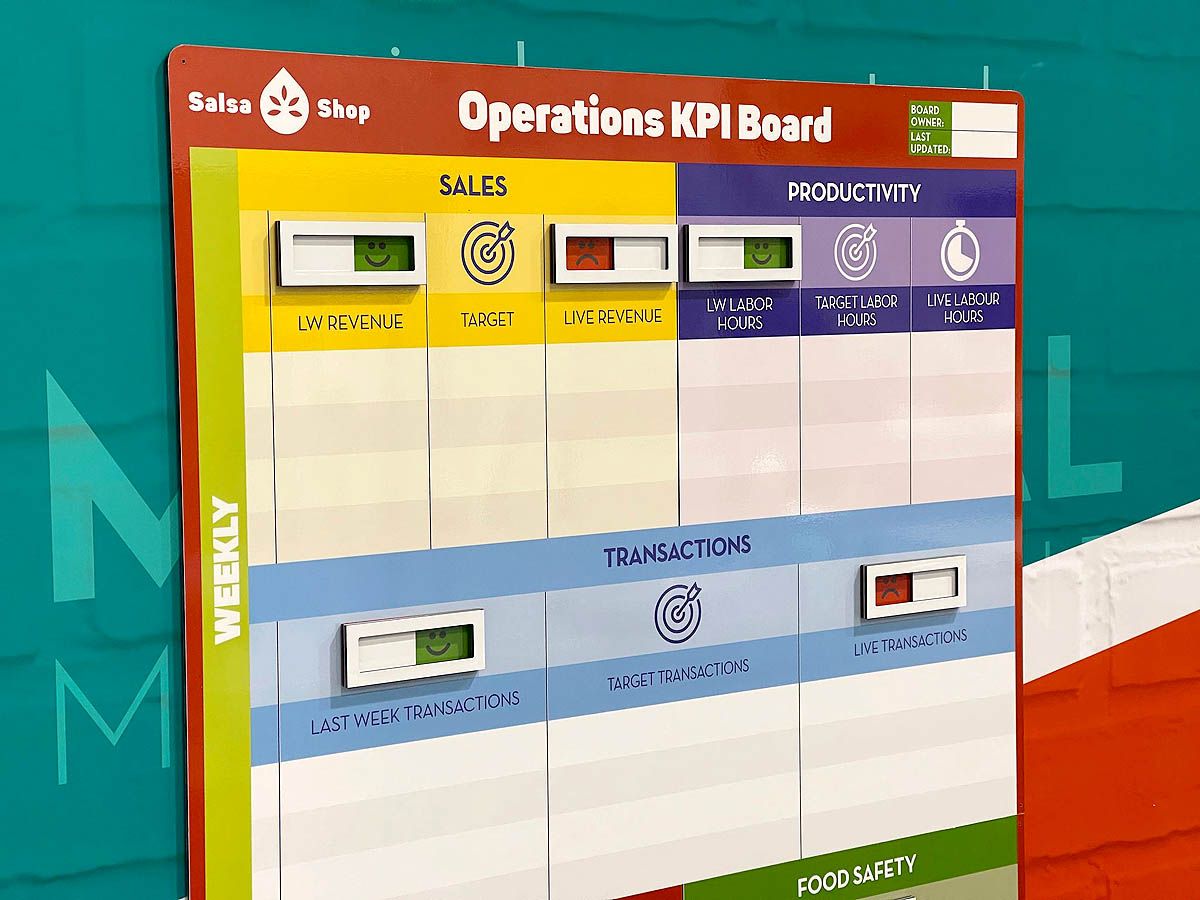
Operations KPI board

Production Board
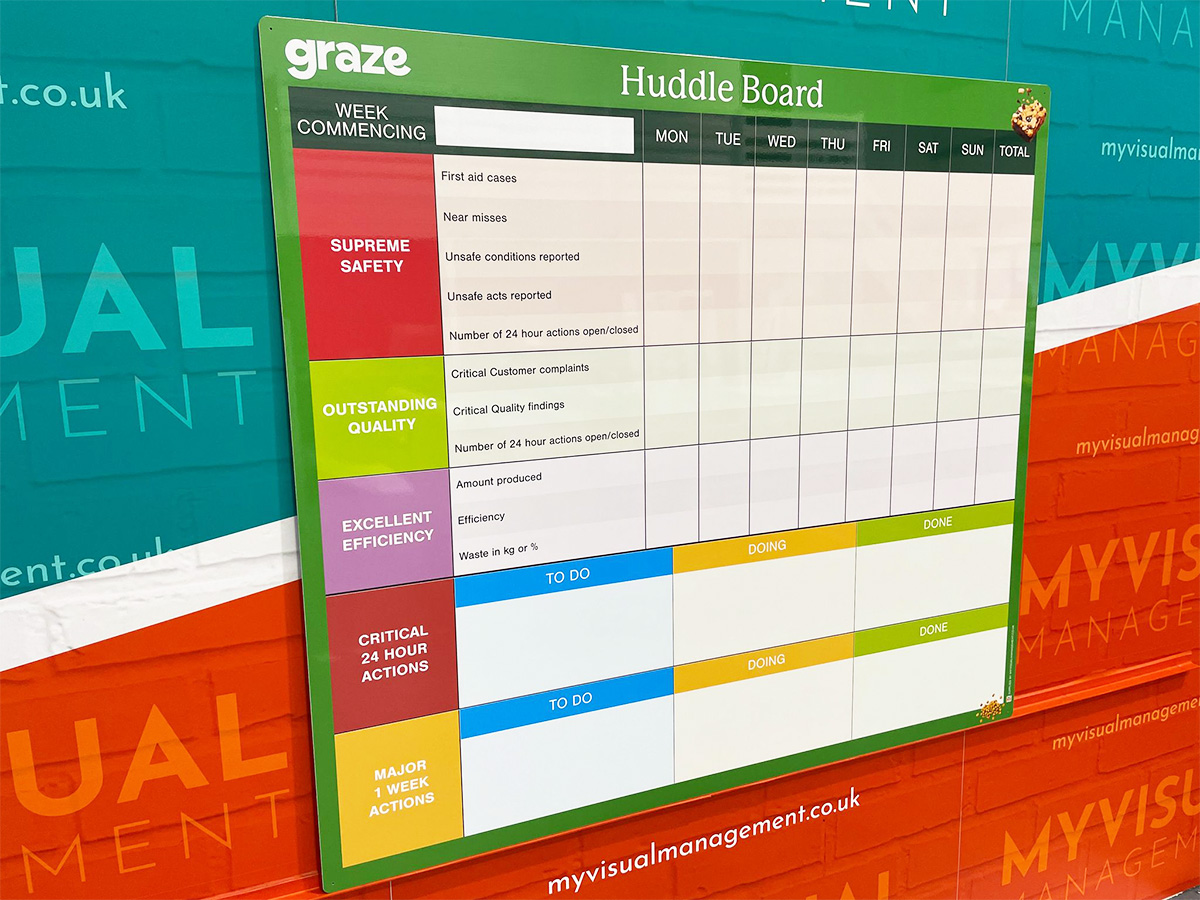
Food Production Huddle Board

SQDCIP Daily Meeting board

5S board

Continuous Improvement board

Production colour coded board

Suggestions board in four languages

Use colour and graphics on your board

5S board with status meters

Processes for Continuous Improvement

5S scoreboard

Modular Continuous Improvement board

Combination sliders and labels

Quality standards

Environmental objectives
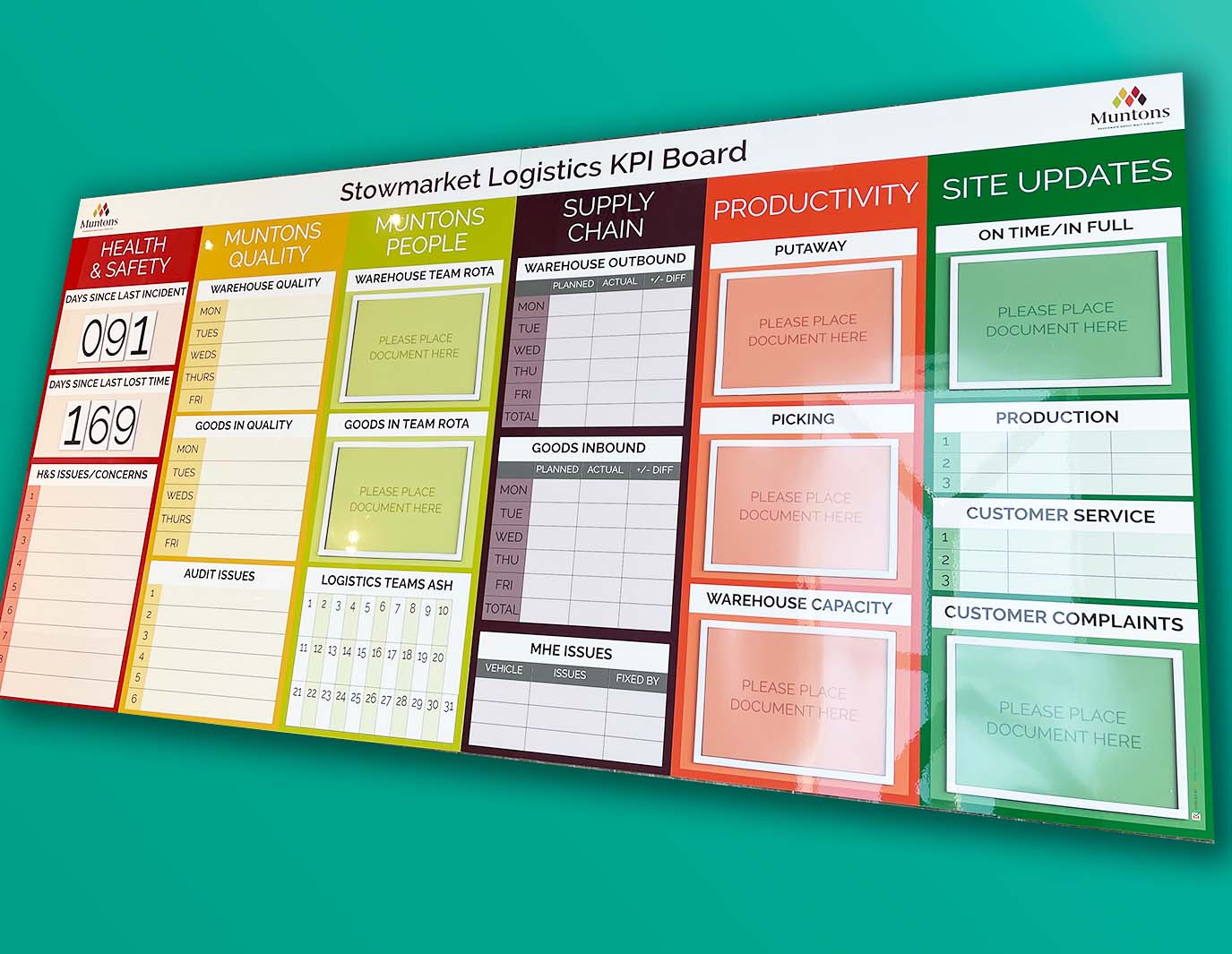
Logistics KPI board

Show your objectives and results

Contractor schedule board

Site plan for leisure

Use for shift pattern information

Add document holders to your board

Compliance whiteboard

SQDC board with status meters

Warehouse safety board

Plan Do Check Act board
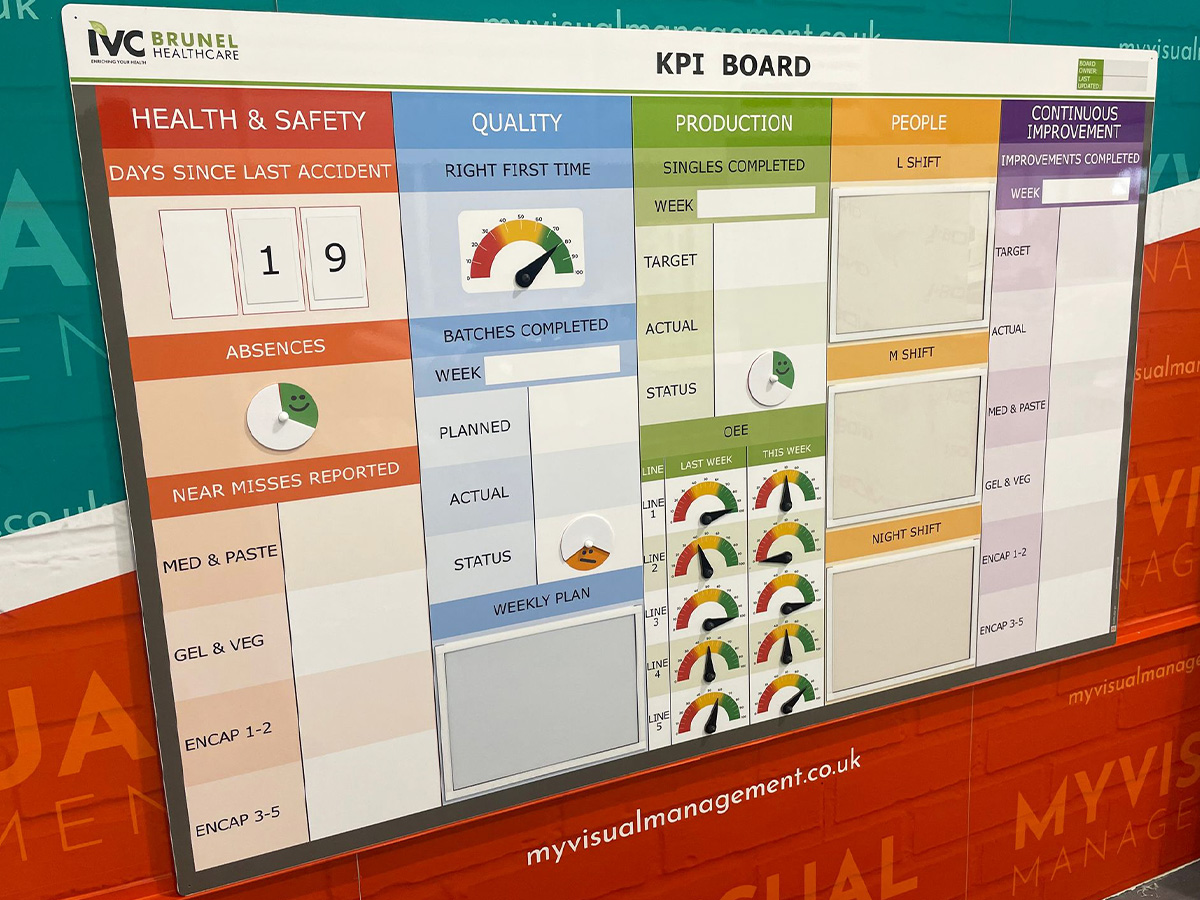
KPI board with status accessories

SQCDE dry wipe board

Golden Six multilingual board

Outdoor educational board

5S dry wipe status indicators

Add status sliders to your board

Sustainability visual management board

Practical Problem Solving board


Our Approach
We create visual management boards everyday. As a result we have plenty of experience. We work for organisations in food production, the power industry, national rail, pharmaceuticals, education, healthcare, packaging and distribution.
Our team works with a simple idea or sketch and creates a professionally designed layout. This is then turned into a highly functional visual management board.
We offer customised options because we want to create the perfect board for you. So, here are a few examples. We can add magnetic areas or a dry-wipe finish (for use with whiteboard pens). Furthermore, you can choose Red/Green sliders or R.A.G. (Red, Amber, Green) status dials so you can quickly and visually update your board. These are just a few examples of the ways in which our boards can be tailored to meet your needs. You may also be interested in whiteboard overlays that can be used on top of an existing magnetic board.