

Workplace safety relies on clear communication, shared understanding, and visible standards. While policies and procedures are essential, they are far more effective when they are visible, accessible, and easy to understand. As a result, this is where health and safety boards play a critical role.
So by applying visual management principles, health and safety boards help organisations improve workplace safety. Firstly, by making key information visible at the point of use. Secondly, by supporting safer behaviours, stronger engagement, and continuous improvement.
What Are Health and Safety Boards?
Health and safety boards are visual tools used to communicate essential safety information in the workplace. Rather than relying on documents or digital systems that may not be easily accessed, these boards present information in a clear, structured, and highly visible format.
Therefore, they provide a central point of reference for employees, contractors, and visitors, helping ensure that safety expectations, procedures, and responsibilities are understood and consistently applied.
Why Do Health and Safety Boards Matter in the Workplace?
Above all, effective health and safety communication goes beyond compliance. Well-designed health and safety boards help organisations:
-
Improve awareness of workplace risks and controls
-
Support compliance with health and safety requirements
-
Encourage employee involvement and ownership
-
Reduce incidents through better visibility of information
-
Reinforce a proactive and positive safety culture
Most importantly, when safety information is visible and regularly reviewed, it becomes part of daily work rather than something only referenced during audits or investigations.
What Should Be Included on a Health and Safety Board?
The content of a health and safety board will vary depending on the environment, but effective boards typically combine essential safety information with dynamic content that supports ongoing improvement.
Common features include:
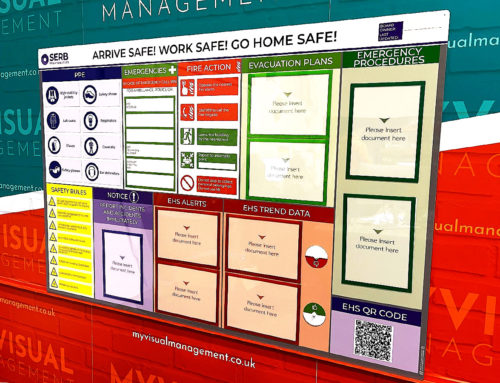
PPE Information
Clear guidance on PPE requirements helps ensure the correct protection is used in the right areas.
Emergency Information
Health and safety boards commonly display:
-
What to do in case of an emergency
-
Fire action instructions
-
Evacuation plans and muster points
-
Site-specific emergency procedures
This information supports fast, confident responses when incidents occur.
Safety Rules and Expectations
Simple, visual safety rules help reinforce safe behaviours and establish consistent standards across the workplace.
Incident Reporting
Clear instructions on how to report incidents and near misses encourage early reporting and learning.
EHS Alerts and Trends
Displaying current EHS alerts and trends highlights recurring issues and helps teams focus their improvement efforts.
EHS QR Codes
QR codes allow quick access to additional resources such as procedures, forms, or training materials without overcrowding the board.
See further gallery examples here
How Health and Safety Management Boards Support Safer Workplaces
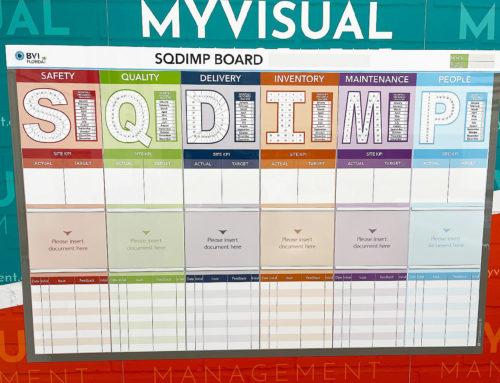
In addition to information boards, many organisations use health and safety management boards to actively manage safety performance.
So these boards support daily safety discussions and help teams track actions and progress.
Typical elements include:
Inspections – Planned and Completed
Visible sections showing inspections that are planned and those already completed help maintain accountability.
Task Lists with RAG Status
Short-term and long-term task lists supported by red-amber-green indicators make priorities clear and highlight risks or delays.
Annual Task Tracking
Tracking health and safety tasks over the year helps teams monitor progress and maintain focus on improvement activities.
Escalation Zones
An escalation zone provides a dedicated space to highlight unresolved issues that require management support.
Supporting First Aid and Emergency Readiness
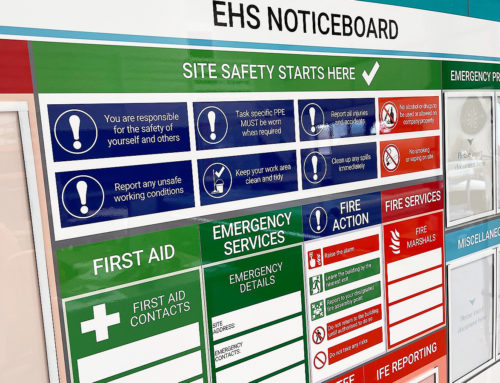
Many health and safety boards also include or are positioned alongside first aid kits. This makes it easy to identify:
-
First aid locations
-
Emergency contacts
-
Responsible personnel
Clear visibility of first aid information improves response times and confidence when incidents occur.
Making Health and Safety Information Visible at the Point of Use
One of the key benefits of effective health and safety boards is their ability to make critical information visible exactly where it is needed. By locating boards near work areas, entrances, and shared spaces — and by integrating emergency procedures, inspection tracking, QR codes, and first aid information — organisations ensure safety guidance is not hidden away.
When information and equipment are visible, accessible, and easy to understand, employees are more confident in how to act, response times improve, and reporting increases. This visibility at the point of use turns health and safety from a passive requirement into an active part of everyday work.
Using Visual Management to Improve Workplace Safety
Visual management focuses on making the right information visible at the right time. When applied to workplace safety:
-
Information is easier to understand than written documents
-
Consistent layouts reduce confusion across sites
-
Visual cues support faster decision-making in emergencies
-
Safety becomes part of everyday work
Well-designed health and safety boards are living tools, reviewed and updated regularly to reflect current risks and priorities.
Health and Safety Boards and Continuous Improvement
Health and safety should continually evolve as risks change and lessons are learned. Visual management boards support this by:
-
Making safety issues visible
-
Encouraging regular review and discussion
-
Supporting problem-solving at team level
-
Reinforcing accountability
By integrating health and safety boards into daily routines, organisations align safety with continuous improvement — moving from reactive compliance to proactive risk management.
Designing an Effective Health and Safety Board
An effective board is not just about what information is included, but how visible and accessible it is when it’s needed most. Good design focuses on:
-
Clear structure and logical layout, so key information is highly visible and easy to locate
-
Simple language and visual cues that can be understood at a glance
-
Easy accessibility of critical information and equipment, such as emergency instructions, contact details, QR-linked resources, and nearby first aid kits
-
Space for updates and changes, ensuring information remains current
-
Content tailored to the specific environment, reflecting workplace risks and activities
A well-designed board is easy to maintain and easy to engage with, ensuring it remains effective over time.
Final Thoughts
So, how do health and safety boards improve workplace safety through visual management?
By making safety information visible, accessible, and part of everyday work.
When designed and used effectively, health and safety boards support compliance, encourage engagement, and help organisations continuously improve how they manage risk.
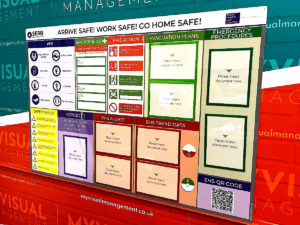
Arrive safe and work safe – compliance made visual
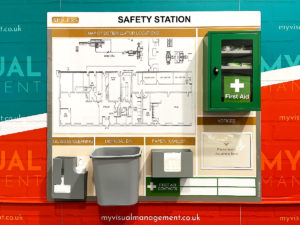
Visual and functional safety station
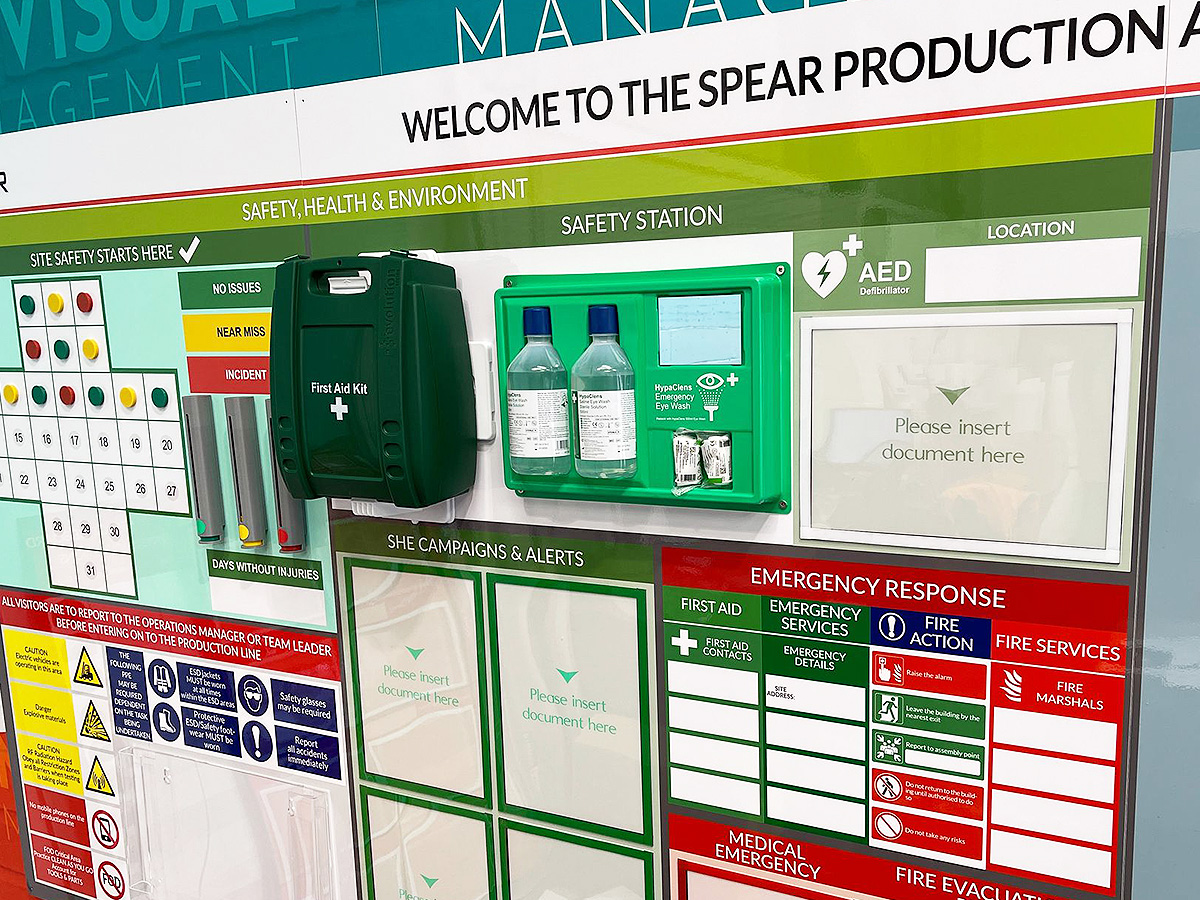
Make HSE Compliance information visual and accessible for all the team

Use document holders to keep information safe and accessible
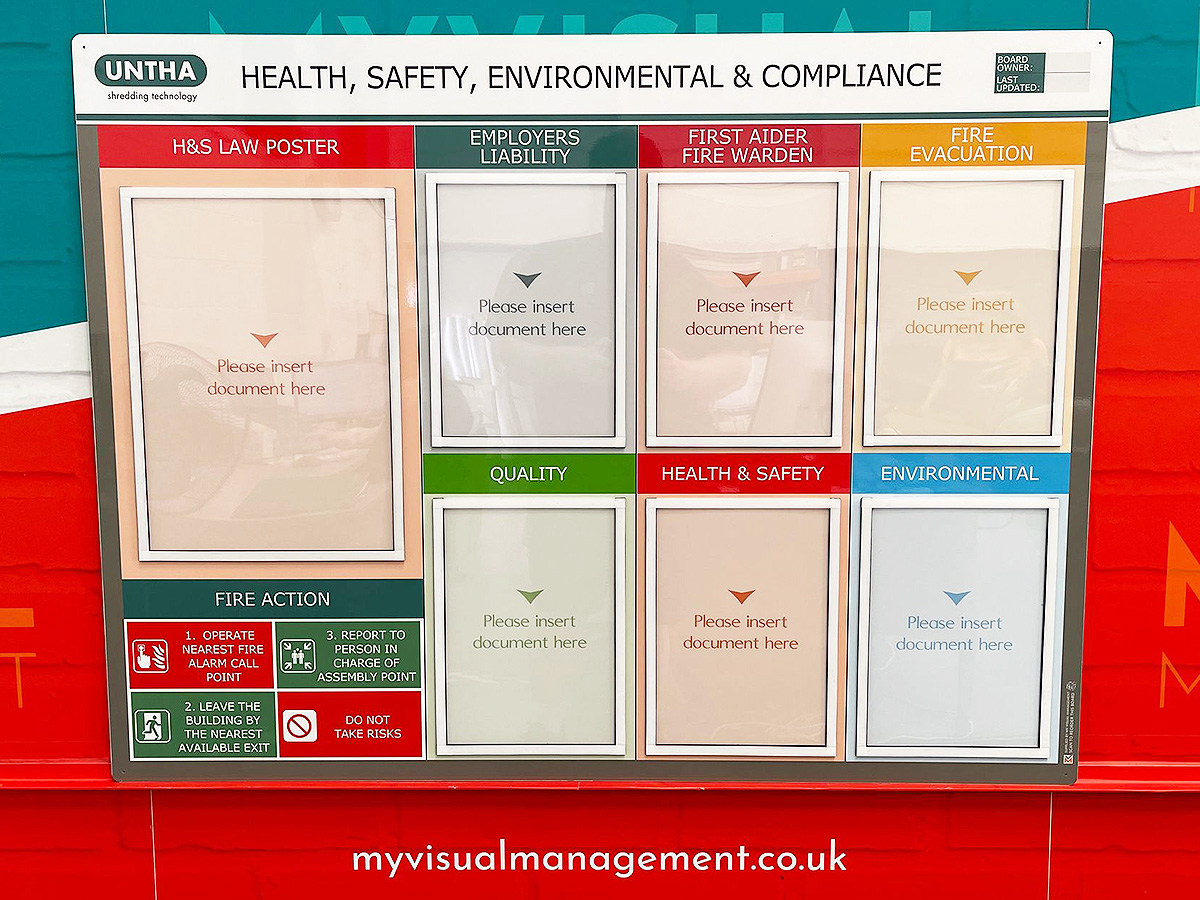
Include all the information you need on your HSE board
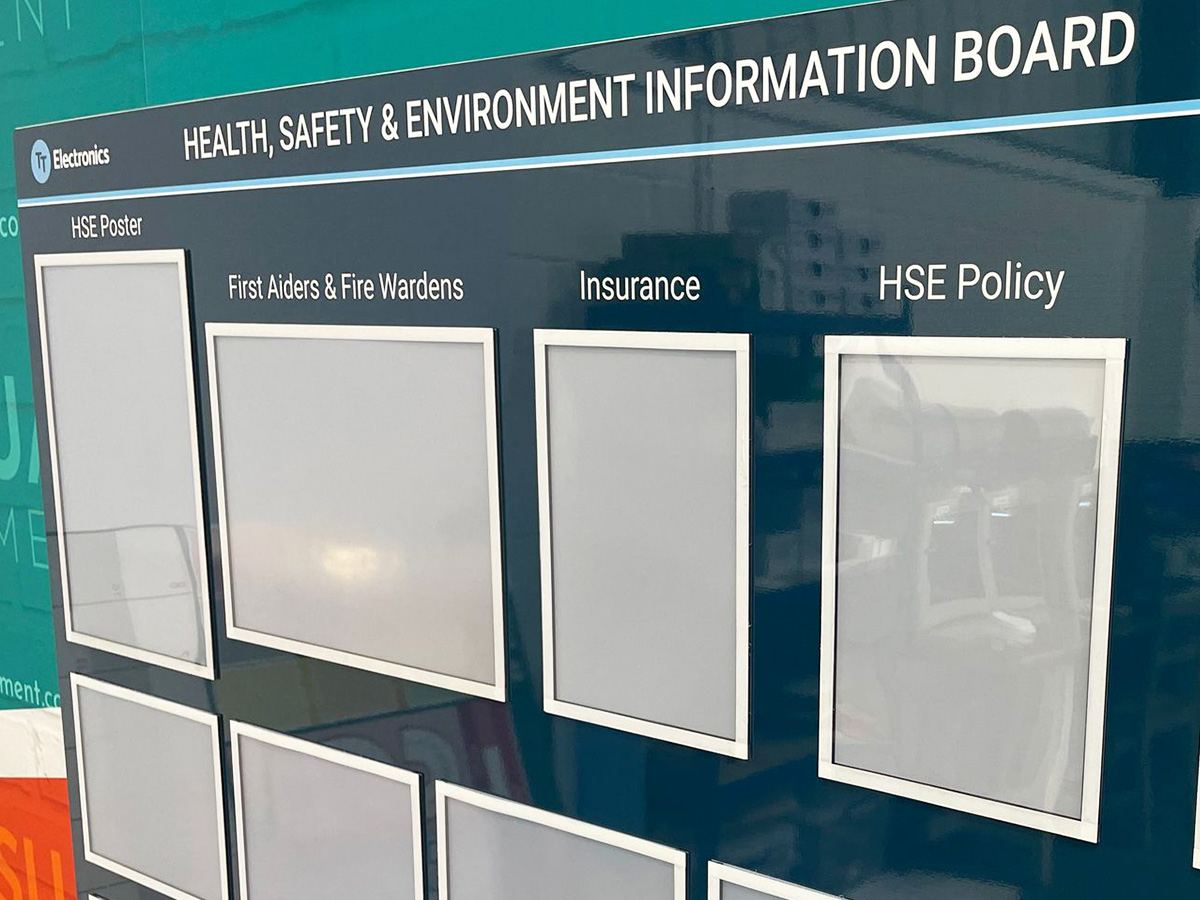
Update documents quickly and easily
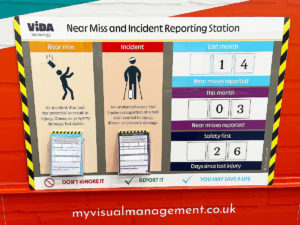
Reporting stations support compliance.
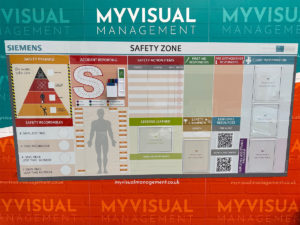
Establish Health & Safety zones that are visible and functional
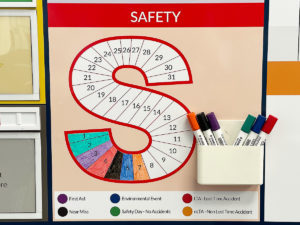
Benefit from comprehensive daily tracking systems
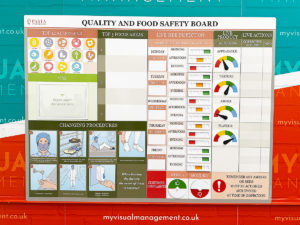
Industry specific safety boards
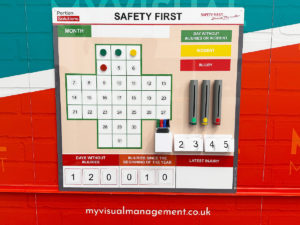
Putting safety first is neat, interactive and visual
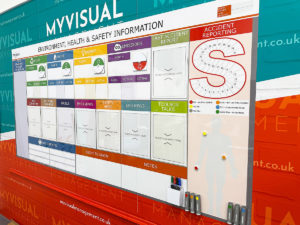
Show exactly what you need
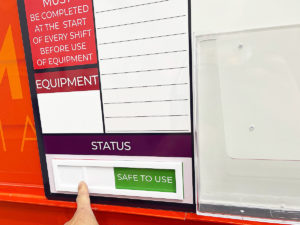
Visual status indicators offer instant visibility
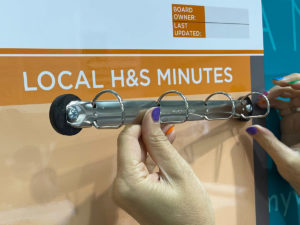
choose the functions you need to make your safety information easily accessible
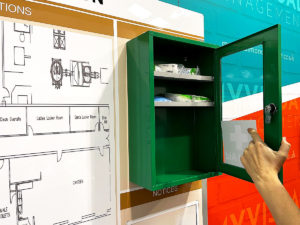
Add a first aid cabinet to make supplies accessible
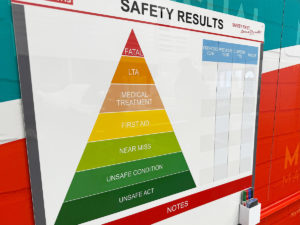
Bring visibility to safety results
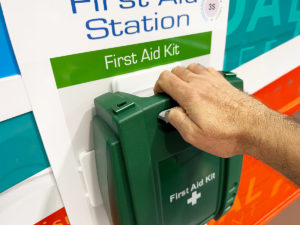
Choose to add the kits you need readily avaialble
Choose the shape and size of the your board to fit well in your work space
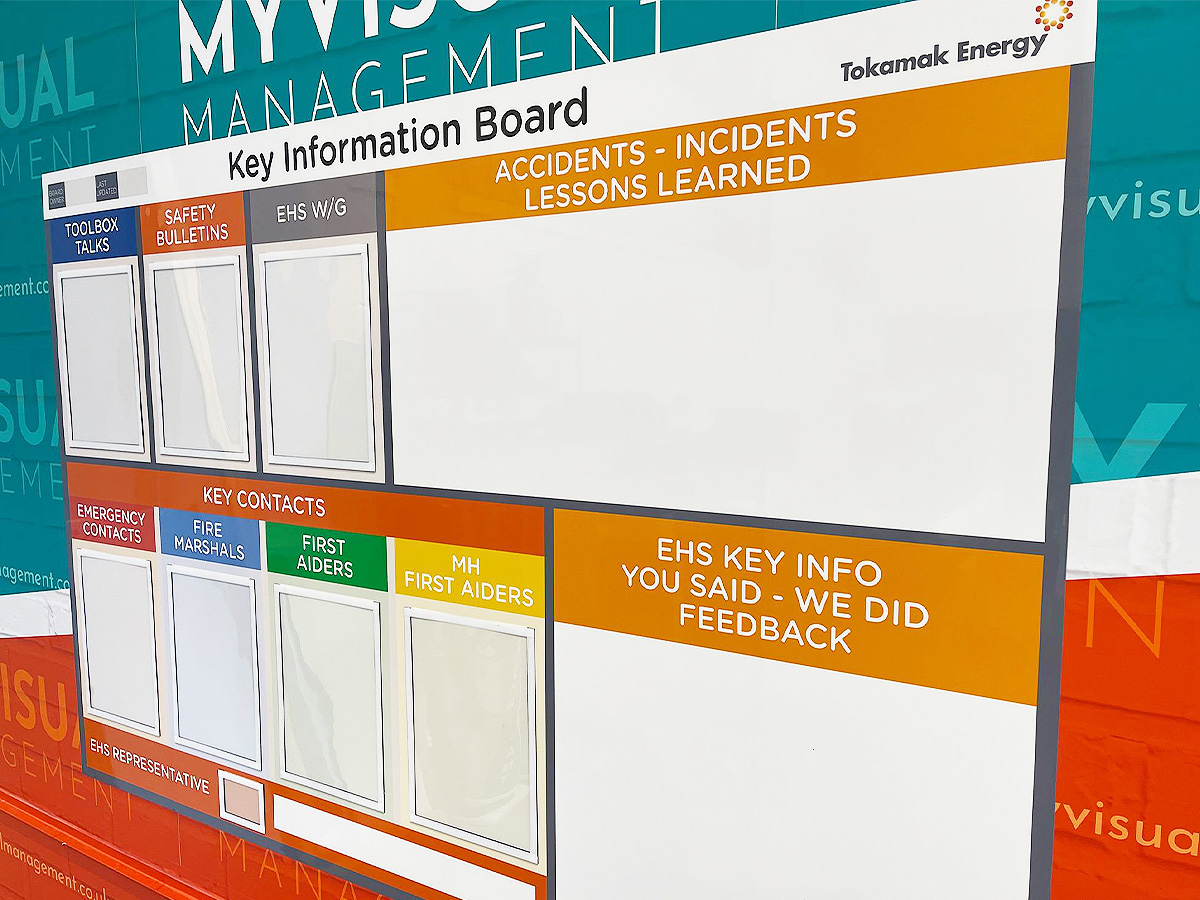


Further examples of our Safety Communications Boards


HSE Info board

First Aiders & Fire Marshals info

QHSE board

Site safety Board

EH&S communications board

First Aid Station board

Safety key info board

Dry wipe areas

HSE Board

EH&S board
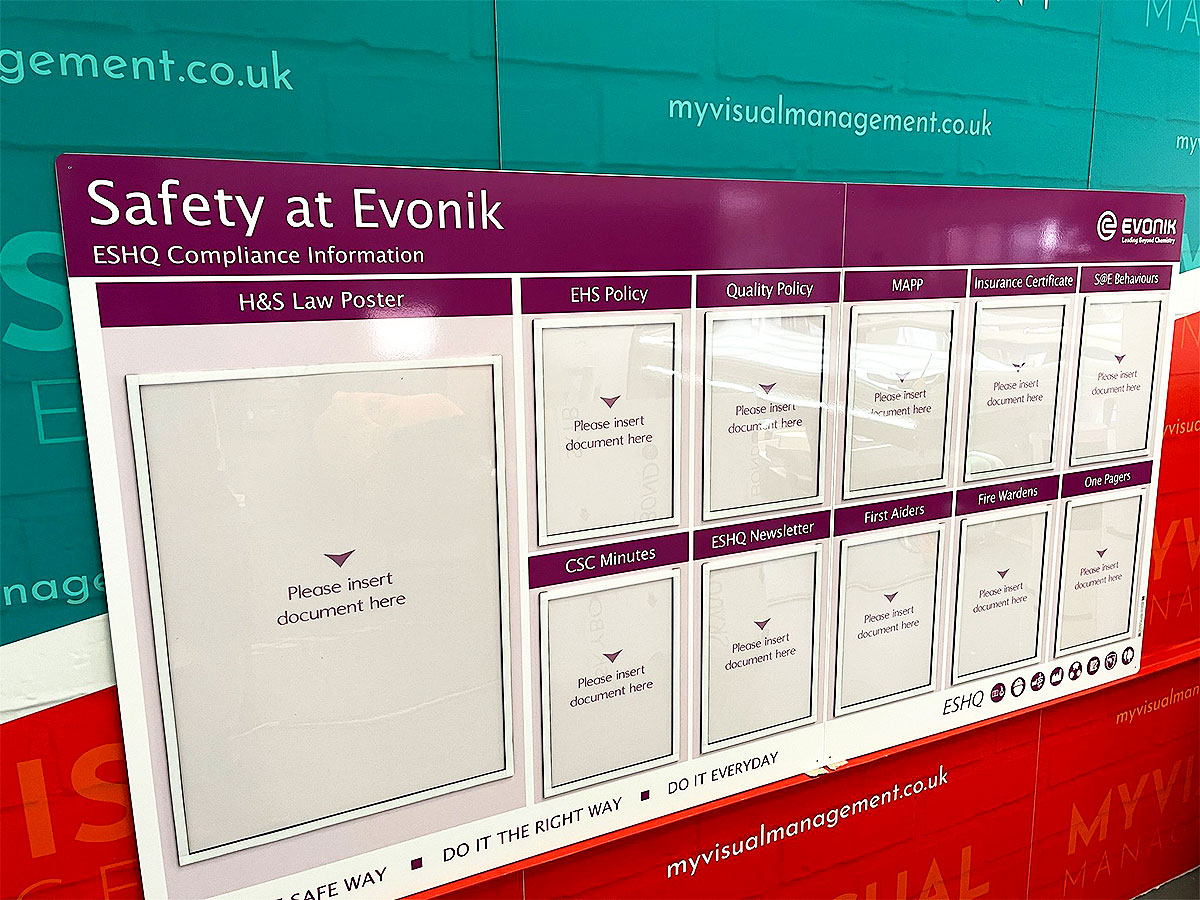
Site Safety policies board

Show your safety rules

Safety board with first aid kit

Site Communications board

PPE requirements

Safety info for employees

Site evacuation plan

Site Safety Noticeboard
Employee Info board for safety
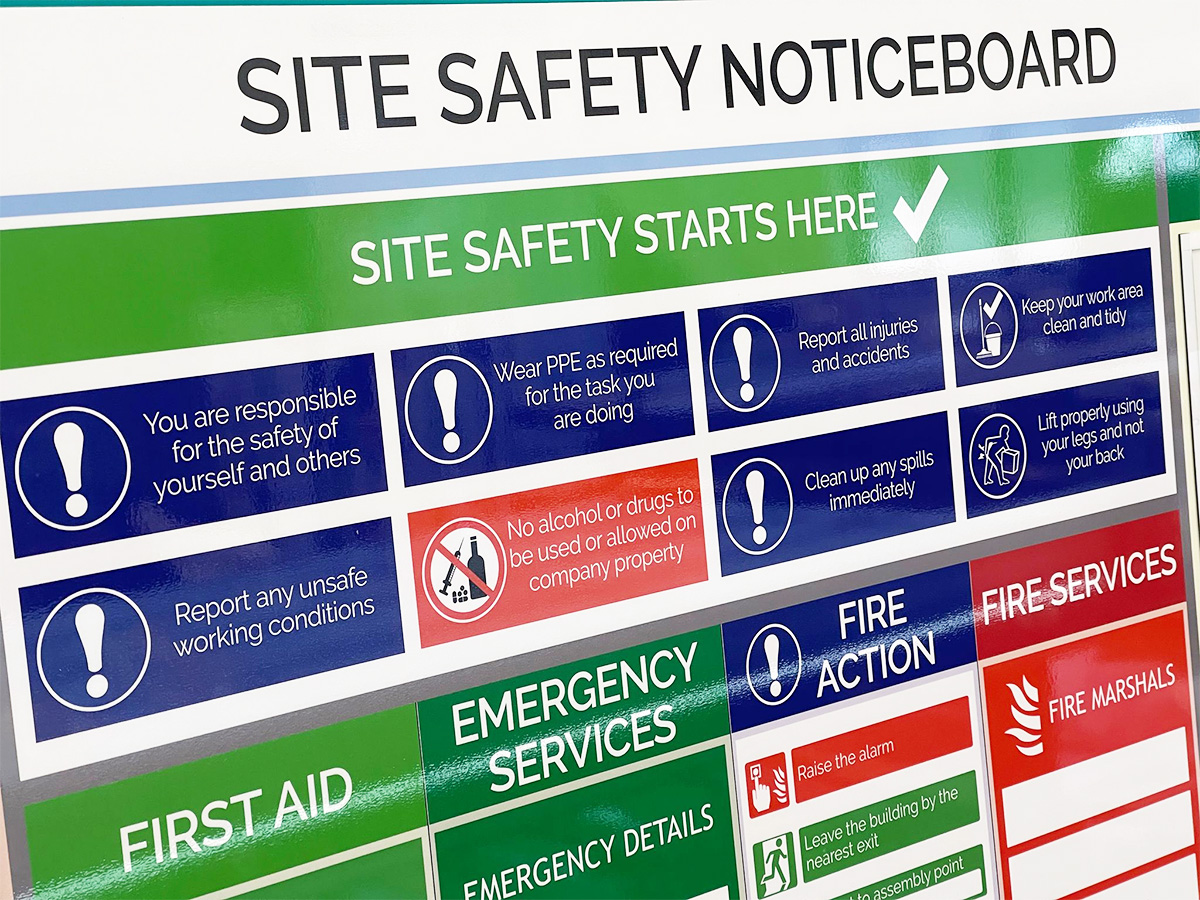
Communicate your safety rules

Show your supervisors

Show your First Aiders

Show your Fire Wardens

SHEQ board

Site Safety Noticeboard

Employee Information Board

Key Information Board

Emergency contact information

Show all your H&S information

Reporting Board

Safety Training Board

Emergency Response Team Board

amazonfresh safety board

Update names easily

Site Safety board

Fire Marshalls information

Communications Board
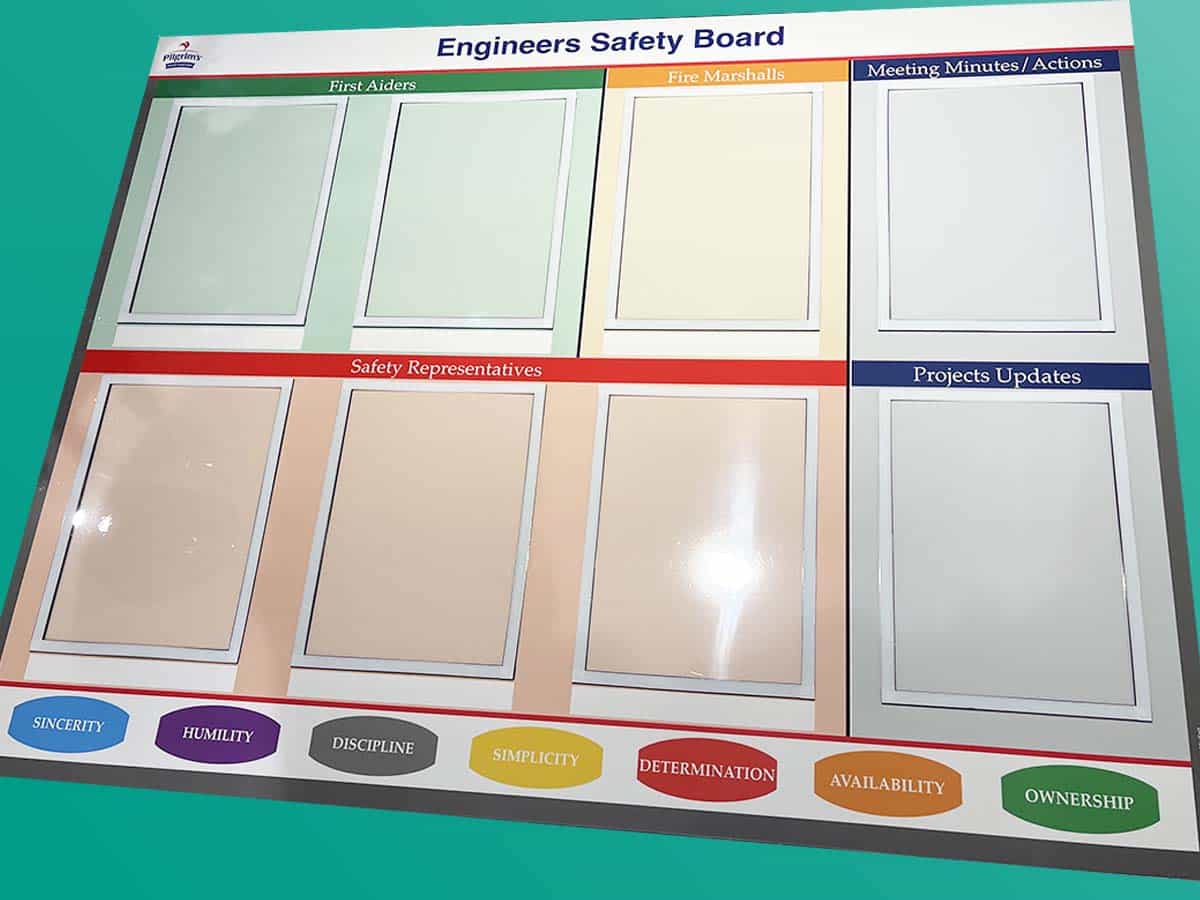
Engineers Safety board

Display your H&S policies
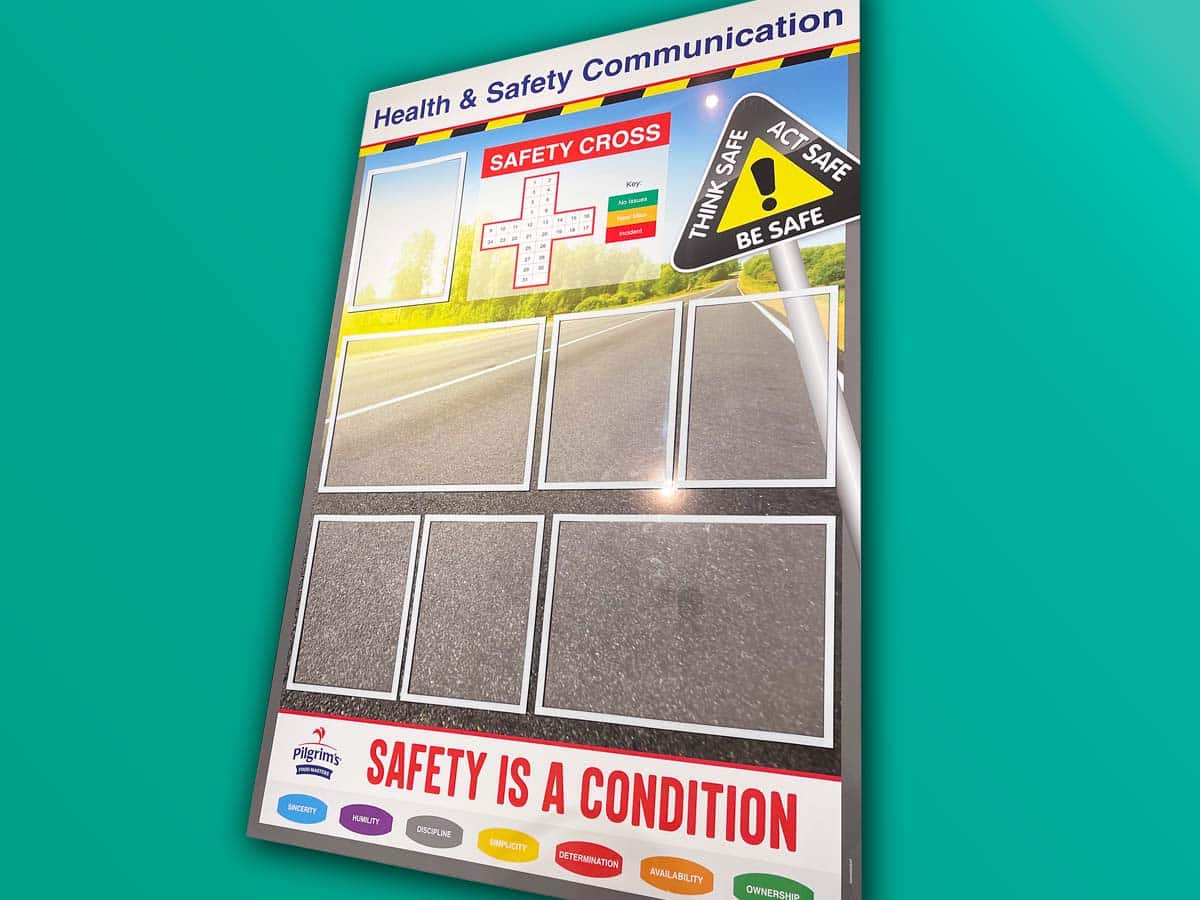
Communications for H&S

Use graphics for impact

Safety board for your team

Emergency response board

Stainless steel document holders
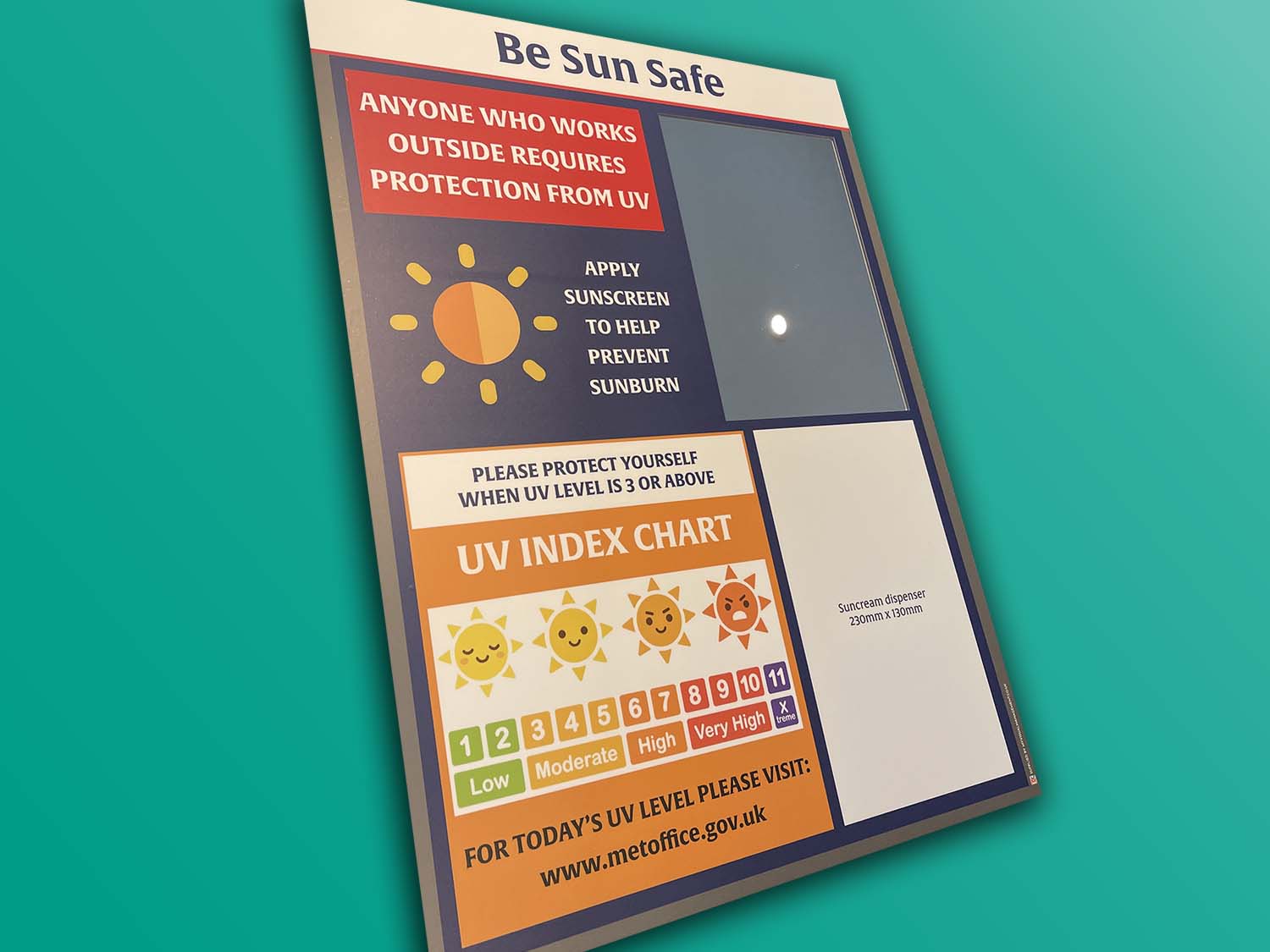
Sun Safe board

Safety Information Board

Display your Site Rules

Handheld whiteboard for daily briefings

Document holders keep information safe
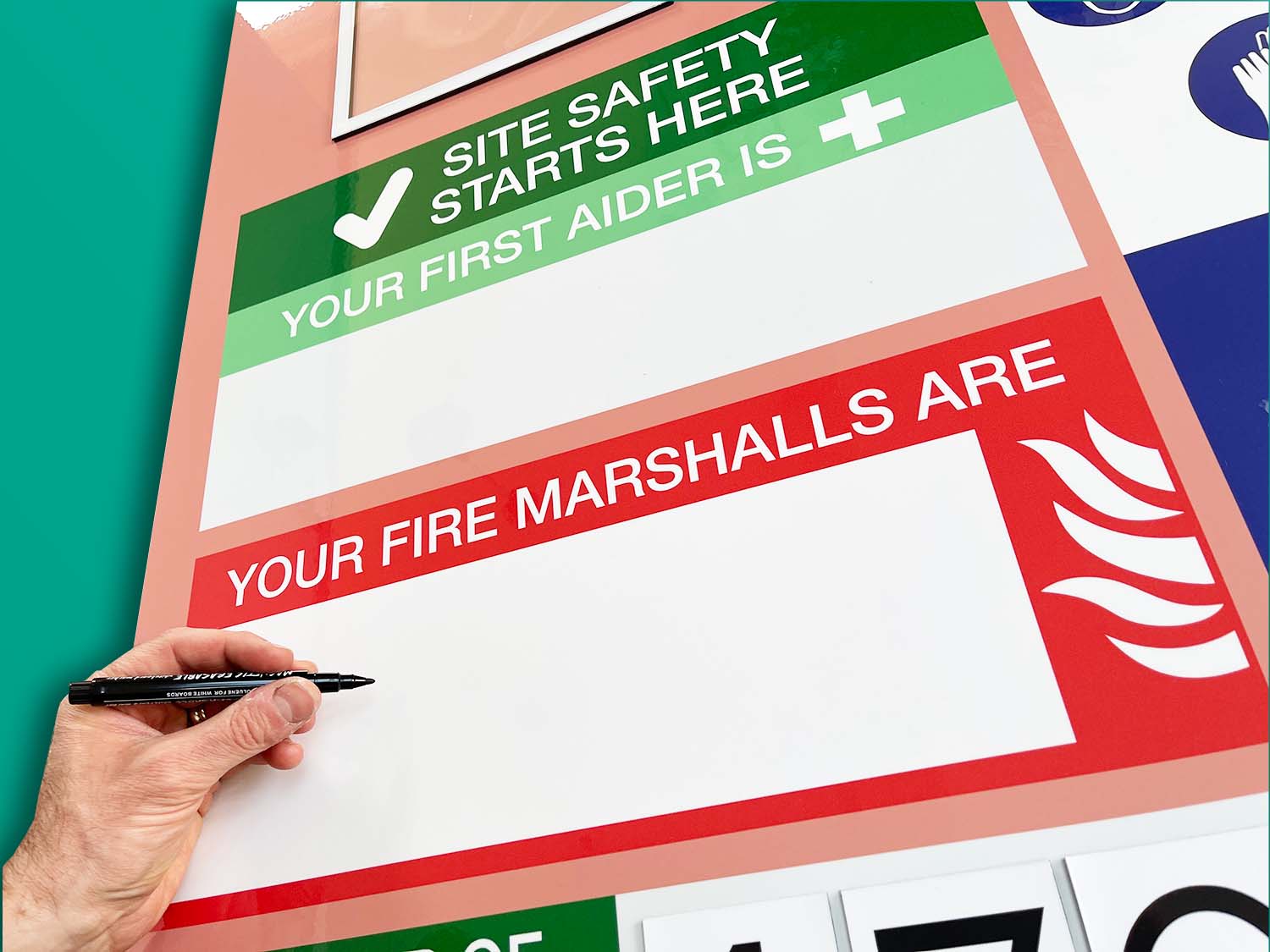
Update easily with dry wipe option

Near Miss card

Communicate H&S visually

Keep info safe with document holders

Display machinery safety rules

Safety equipment board

Highly visual with icons

Sanitisation check stations

Covid-secure visual management

Show rules visually for your team

Covid-secure signage

Sanitisation station boards

Site Rules boards


Our Approach
We create visual management boards everyday. As a result we have plenty of experience. We work for organisations in food production, the power industry, national rail, pharmaceuticals, education, healthcare, packaging and distribution.
Our team works with a simple idea or sketch and creates a professionally designed layout. This is then turned into a highly functional visual management board.
We offer customised options because we want to create the perfect board for you. So, here are a few examples. We can add magnetic areas or a dry-wipe finish (for use with whiteboard pens). Furthermore, you can choose Red/Green sliders or R.A.G. (Red, Amber, Green) status dials so you can quickly and visually update your board. These are just a few examples of the ways in which our boards can be tailored to meet your needs. You may also be interested in whiteboard overlays that can be used on top of an existing magnetic board.