

How LOTO Boards Strengthen Lock Out Tag Out Safety
Lock Out Tag Out (LOTO) is one of the most critical safety procedures in industrial and operational environments.
When applied correctly, it prevents the accidental release of energy during maintenance, cleaning, or inspection.
Yet despite clear procedures and training, LOTO systems can lose effectiveness over time.
In most cases, the issue isn’t a lack of intent or awareness — it’s a lack of visual control.
What Is Lock Out Tag Out (LOTO)?
Lock Out Tag Out is a safety process used to ensure machinery or equipment is:
-
Properly isolated from energy sources
-
Unable to be started accidentally
-
Clearly identified as unsafe to operate
It relies on physical controls (locks and tags) combined with standard procedures to protect people working on equipment.
On paper, the process is straightforward.
In real working environments, consistency is the challenge.
Why LOTO Breaks Down Without Visual Control
Even well-designed LOTO procedures can break down if isolation status isn’t clearly visible.
Common risk points include:
-
Locks stored in multiple, inconsistent locations
-
Missing or damaged tags going unnoticed
-
No immediate indication of which locks are in use
-
Unclear ownership of locks and isolations
-
Shift changes relying on verbal handover
When this happens, safety depends on assumption rather than visibility.
If isolation status isn’t immediately visible, Lock Out Tag Out becomes a procedural expectation — not a controlled system.
This is where visual management plays a critical role.
The Role of Visual Management in LOTO Safety
Visual management is about making the current state obvious at a glance, without explanation.
Applied to LOTO, it answers key safety questions instantly:
-
Are locks available or already in use?
-
Is equipment currently isolated?
-
Is something missing that shouldn’t be?
-
Is the process being followed as intended?
Without this level of visibility, small deviations can persist unnoticed.
What Is a LOTO Board?
A LOTO board is a visual management board designed to support Lock Out Tag Out procedures by creating a clear, standardised point of control.
Typically, a LOTO board:
-
Stores locks, hasps, and tags in fixed locations
-
Uses shadow outlines to show what should be present
-
Makes missing or in-use items immediately visible
-
Reinforces standard work and accountability
Rather than replacing LOTO procedures, it makes them visible, repeatable, and auditable.
How LOTO Boards Support Effective Lock Out Tag Out
When designed and used correctly, LOTO boards directly address common weaknesses in LOTO systems.
1. Visibility of lock status
You can immediately see what’s available, what’s missing, and what’s in use — without searching.
2. Reduced reliance on memory
The board becomes the reference point, not individuals or handovers.
3. Clear ownership and accountability
Dedicated locations for locks and tags make deviations obvious.
4. Safer, more consistent maintenance
Reduced searching lowers pressure to bypass steps.
5. Improved compliance and audits
LOTO status can be visually confirmed in seconds.
Designing an Effective LOTO Board
The most effective LOTO boards are simple, clear, and designed for real environments.
Key design principles include:
-
Clearly labelled lock and hasp locations
-
Shadow outlines to define the “normal” condition
-
Durable tag storage
-
Logical layout that mirrors the LOTO process
-
Space for instructions or escalation guidance
The aim isn’t decoration — it’s clarity under pressure.
LOTO Boards Within Visual Safety Management
LOTO boards are most effective when integrated into a wider visual safety system, alongside:
-
Safety and compliance boards
-
Permit-to-work processes
-
Standard work visuals
-
5S and workplace organisation
Together, these systems ensure that:
Unsafe conditions are visible before they become incidents.
Final Thought: Effectiveness Requires Visibility
Lock Out Tag Out is a life-critical process.
Its effectiveness depends on consistency, clarity, and control.
Visual management provides the missing layer that turns LOTO from a written procedure into a visible, working system.
If safety matters, status must be visible.
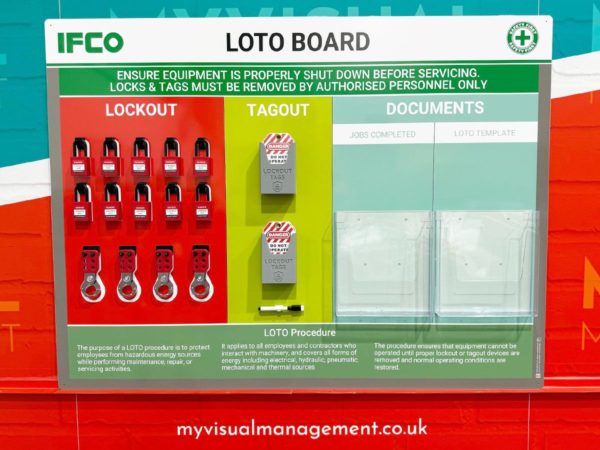
Customise your Lockout control board to include what you need
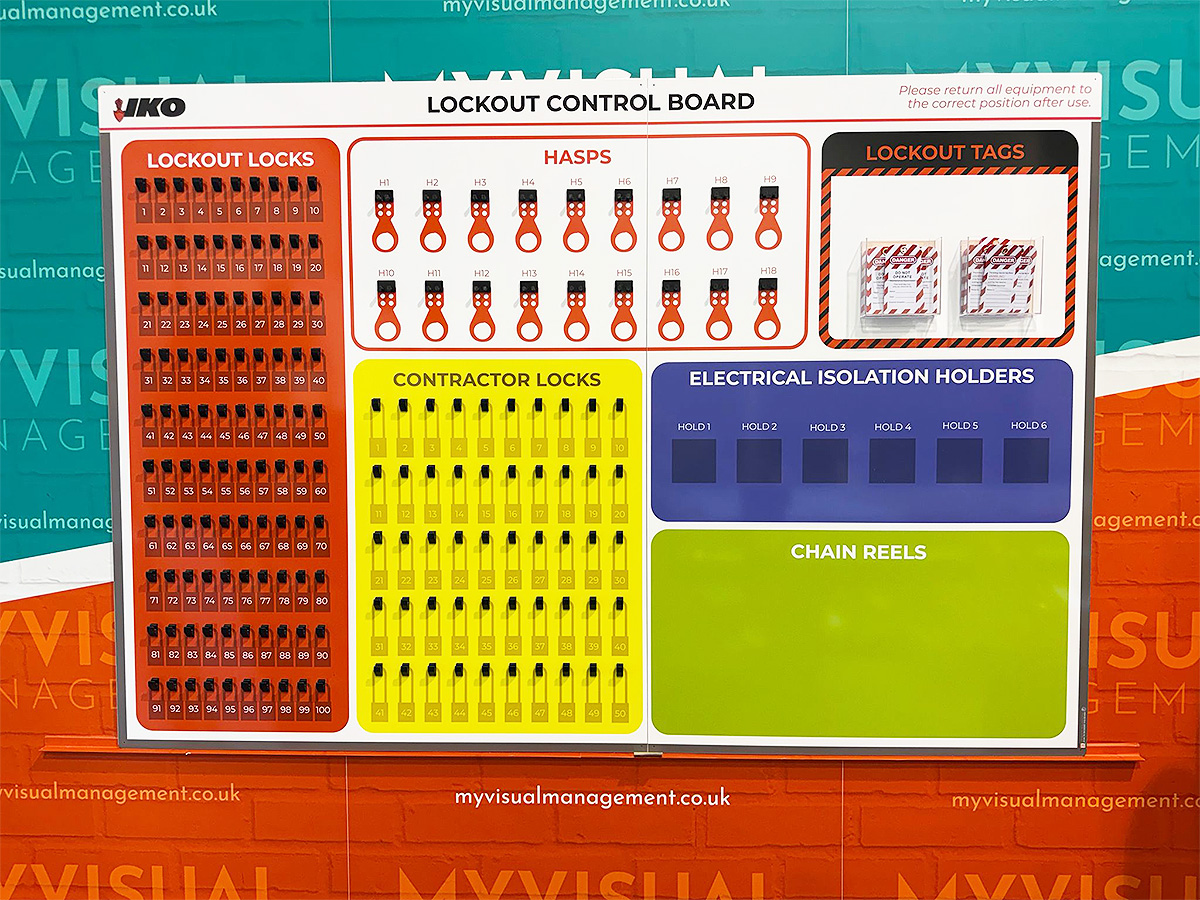
Customise your Lockout control board to include what you need
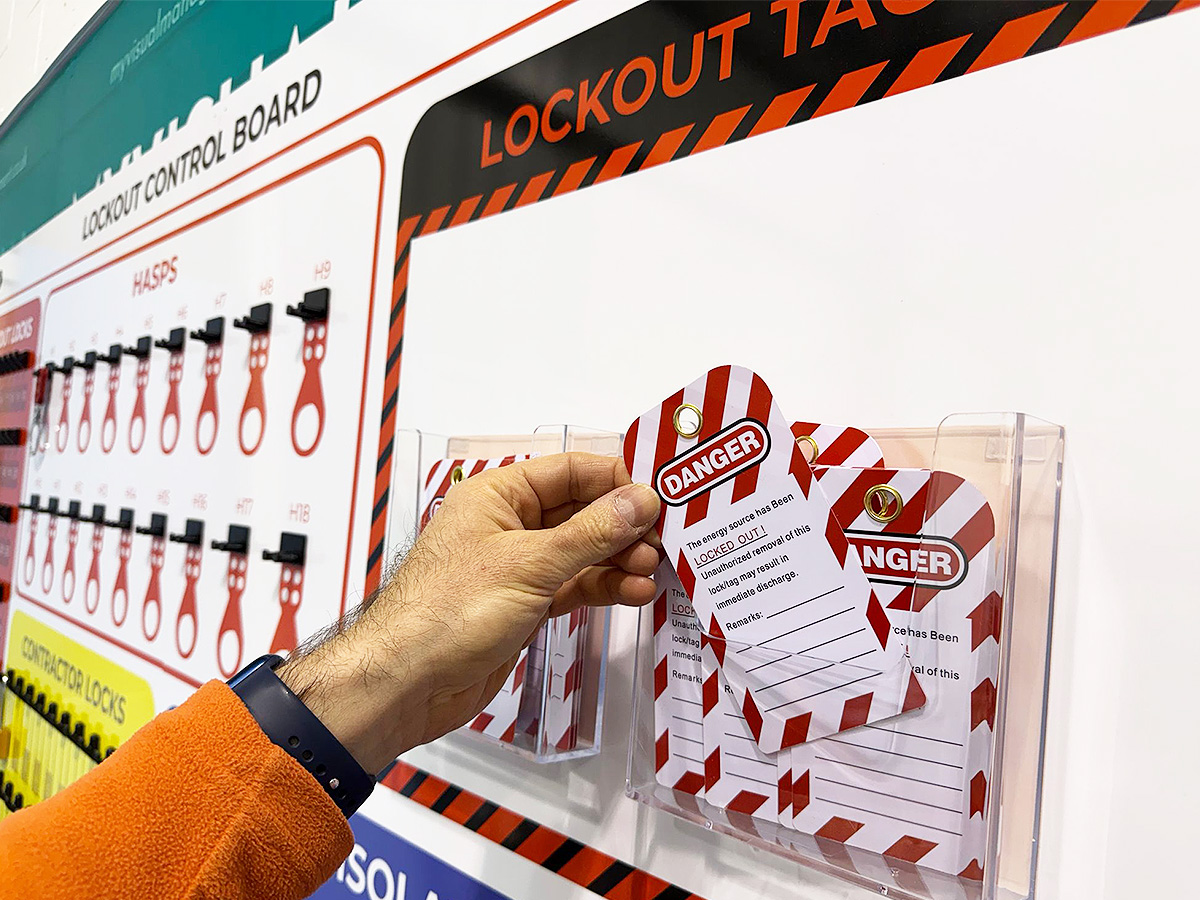
Make your own lockout tags
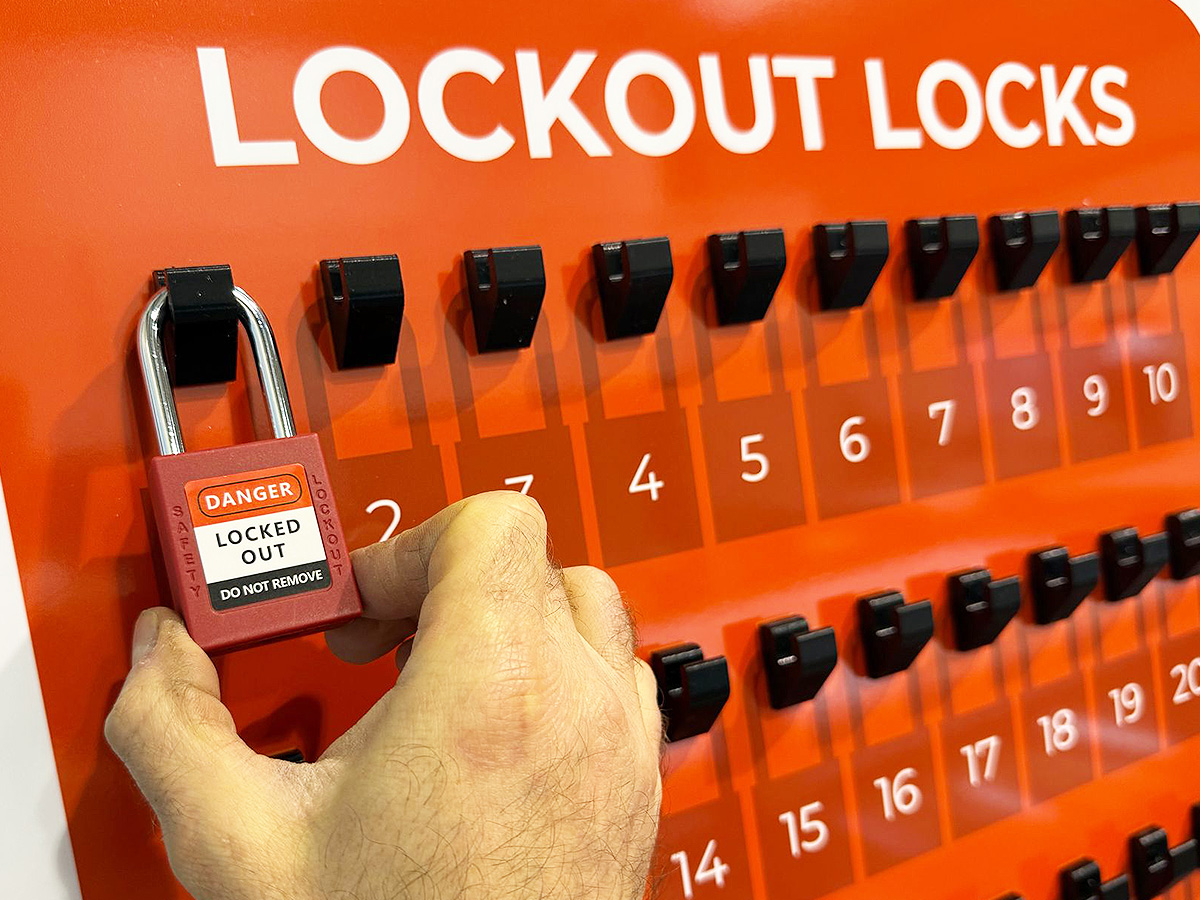
Heavy duty safety padlocks can be labelled if required
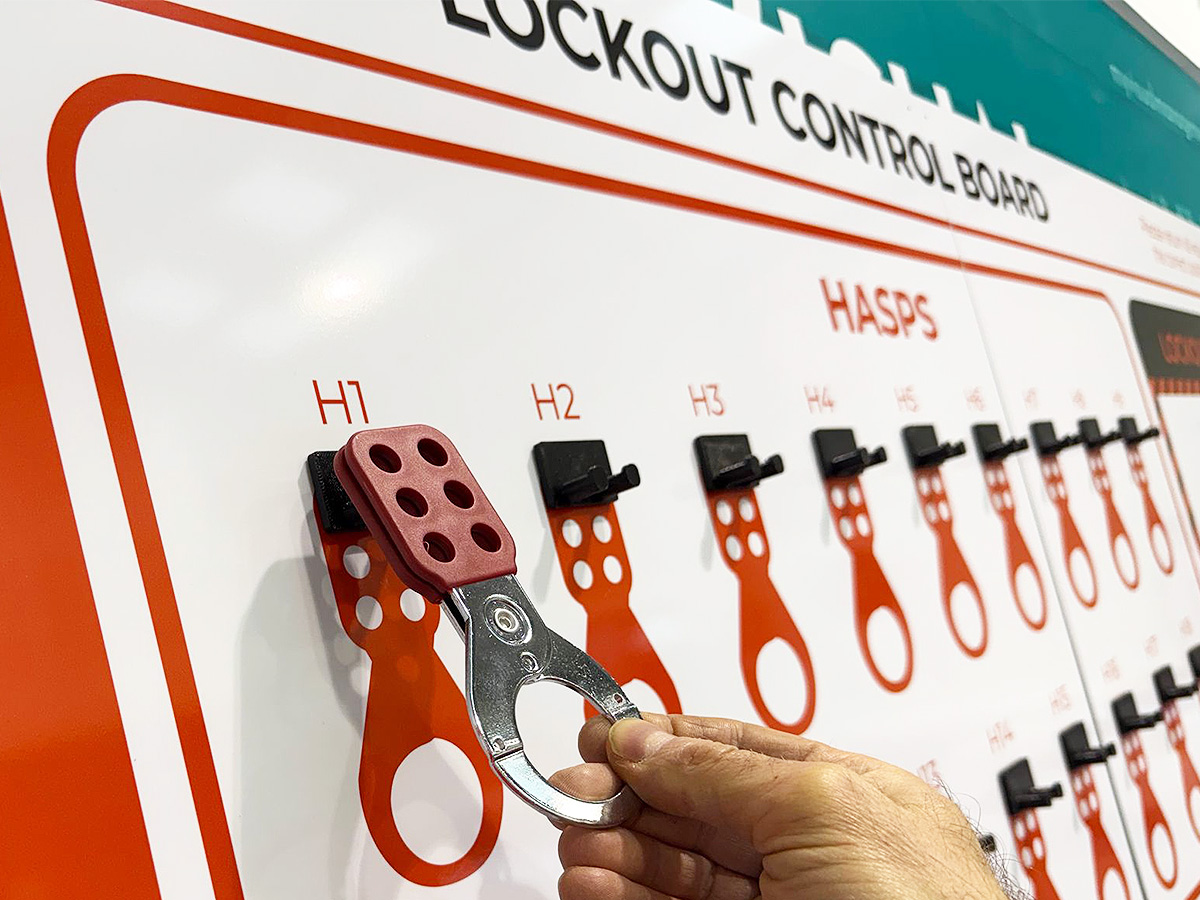
Add the equipment you need
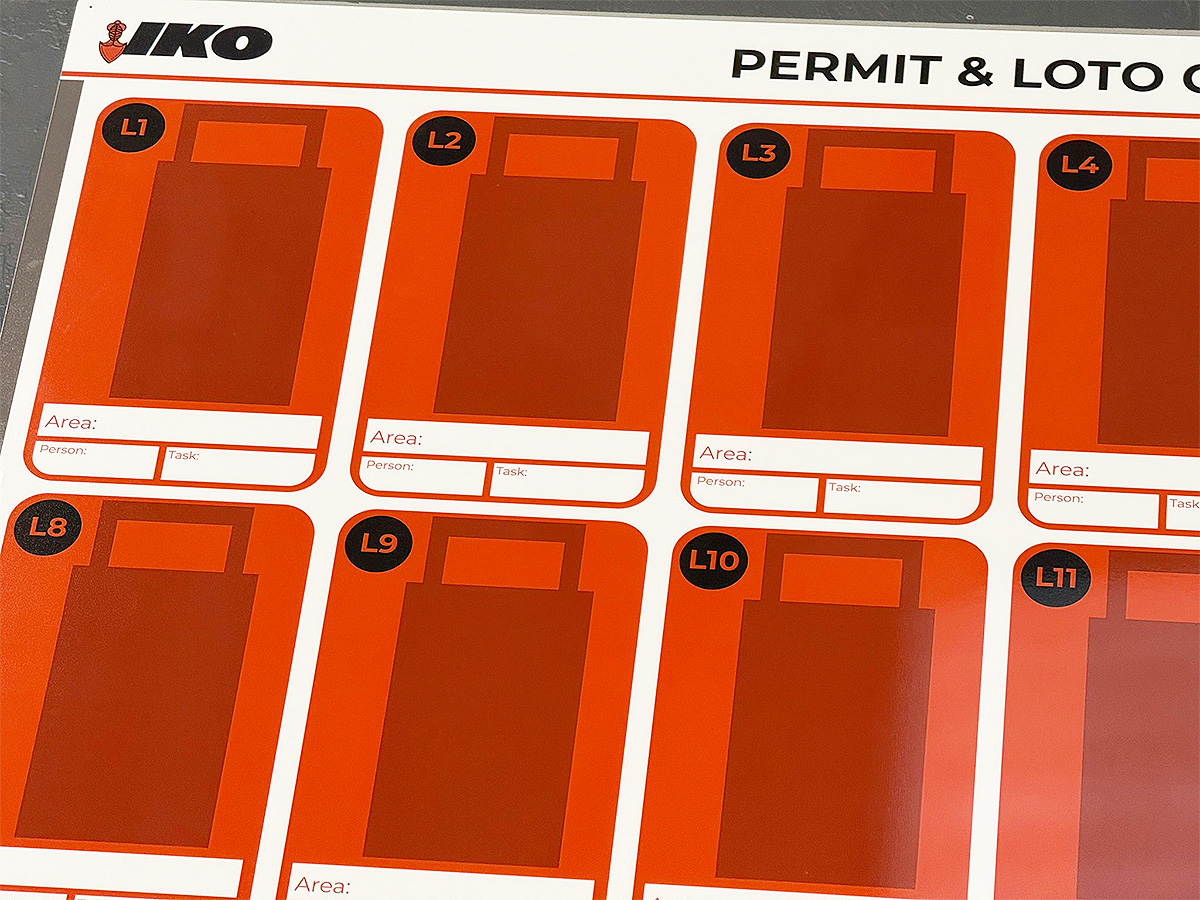
Make your PTW process visual too
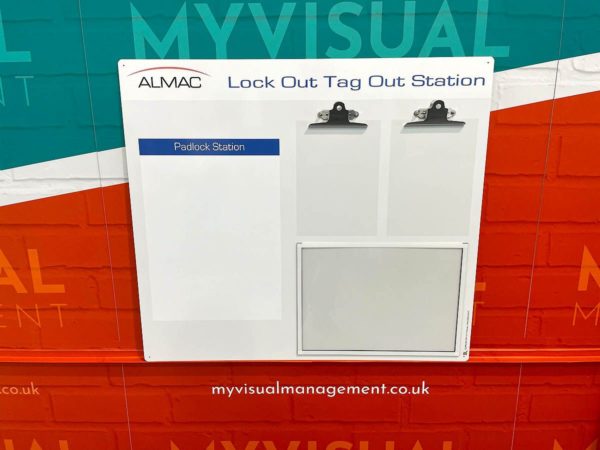
Make your own LOTO station
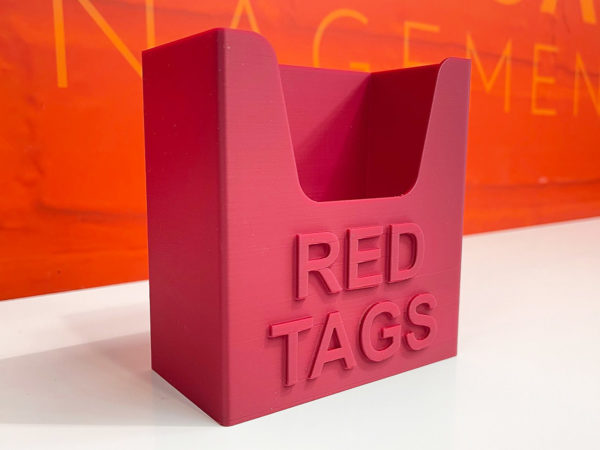
Choose tag holders and employ colour coding to make your process visually accessible
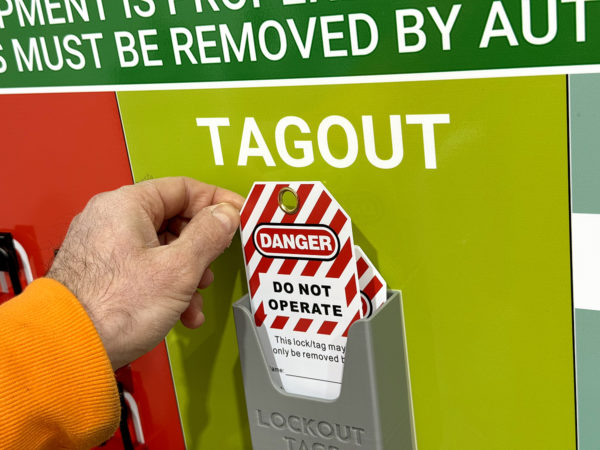
Make tags accessible and easy to keep at the point of use
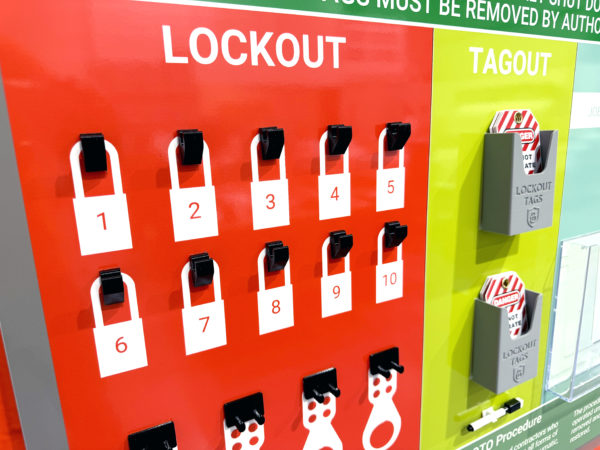
Numbered padlock hooks
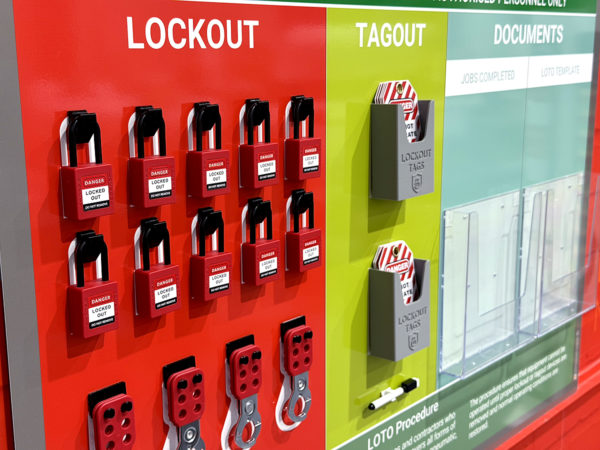
LOTO board with padlocks in place
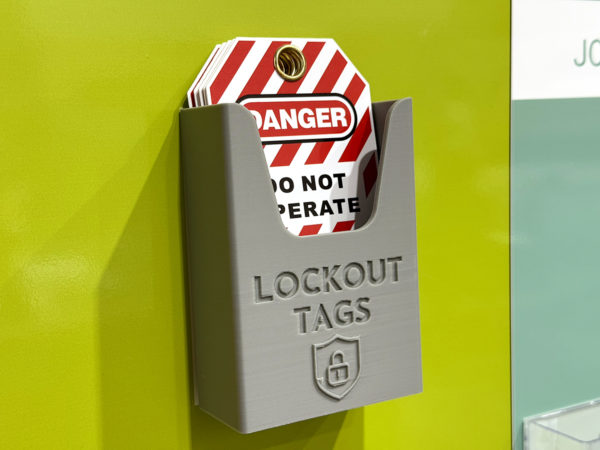
Iconography for clear visibility
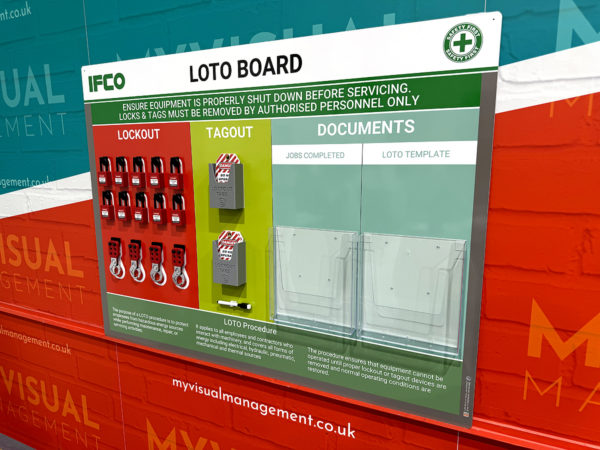
Hold jobs completed and LOTO templates in an accessible place
You May Also Like


Our Approach
We create visual management boards everyday. As a result we have plenty of experience. We work for organisations in food production, the power industry, national rail, pharmaceuticals, education, healthcare, packaging and distribution.
Our team works with a simple idea or sketch and creates a professionally designed layout. This is then turned into a highly functional visual management board.
We offer customised options because we want to create the perfect board for you. So, here are a few examples. We can add magnetic areas or a dry-wipe finish (for use with whiteboard pens). Furthermore, you can choose Red/Green sliders or R.A.G. (Red, Amber, Green) status dials so you can quickly and visually update your board. These are just a few examples of the ways in which our boards can be tailored to meet your needs. You may also be interested in whiteboard overlays that can be used on top of an existing magnetic board.