

Visual Management Research Round-Up: Key Themes for 2025–26
Visual management continues to play an important role in how organisations improve visible accessibility, team coordination and day-to-day performance. Across manufacturing, logistics and regulated environments, research and industry analysis point to several consistent themes shaping how visual tools are being used through 2025 and into 2026.
This round-up brings together the most common findings and observations appearing across industry studies, operational research and workplace practice.
1. Visual Coherence Supports Consistency in Complex Operations
Across many operational settings, research consistently highlights the value of clear, visible information in complex and fast-moving environments. When expectations are easy to see at the point of work, teams are better able to follow standard routines and reduce ambiguity.
Visual management boards, status indicators and prompts help minimise reliance on memory or verbal instruction, supporting more consistent execution across teams and shifts.
2. Visual Tools Remain Central to Safety Communication
Safety-focused research continues to underline the importance of clear communication in maintaining safe working practices. Visual cues such as status indicators, visual controls and safety communication boards are widely used to reinforce expectations and improve shared understanding.
Visual tools support daily awareness and routine adherence, particularly in environments where work patterns vary.
3. Performance Visibility Supports Team Alignment
Studies of operational management frequently highlight the role of performance visibility in supporting alignment and accountability. When key measures are visible, teams are better able to focus discussions, prioritise actions and identify emerging issues.
Visual performance displays remain a practical way to support daily reviews, shift handovers and ongoing improvement conversations.
4. Visual Management Supports Training and Onboarding
Workforce research often points to the challenge of maintaining training consistency, especially in environments with skills shortages or higher turnover. Visual systems are commonly used to support faster understanding of roles, processes and expectations.
By showing standards and routines visually, organisations reduce reliance on informal knowledge transfer and help new team members integrate more effectively.
5. Sustaining Improvements Remains a Key Focus
A recurring theme across Continuous Improvement research is the difficulty of sustaining gains over time. Improvements are more likely to last when standards are visible, understood and regularly reinforced.
Visual management is frequently referenced as a supporting element — helping teams notice deviations, maintain routines and reinforce agreed ways of working.
What This Means for 2025–26
Taken together, these research themes suggest that visual management addresses fundamental operational challenges: visibility, consistency and communication.
As organisations continue to face cost pressure, workforce change and operational complexity, visual tools are expected to remain a practical way to support daily routines and maintain alignment.
Why This Matters
This research round-up reinforces that visual management is most effective when it supports people in their everyday work. When used to reinforce standards and make expectations clear, visual tools help organisations maintain stability while continuing to improve.
As research and practice evolve through 2026, visual clarity and visible standards are expected to remain central to effective operations.
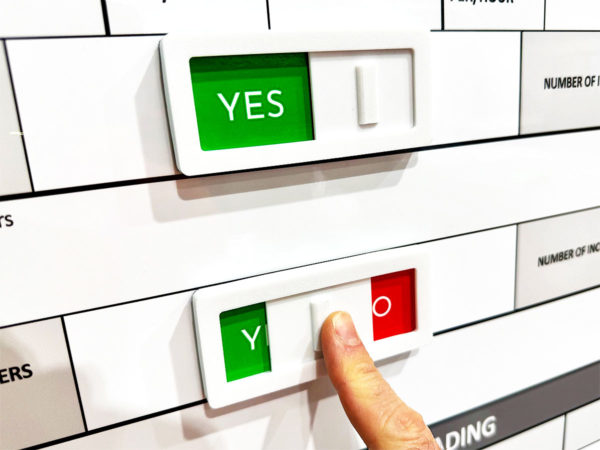
Be clear, at a glance with visual status indicators
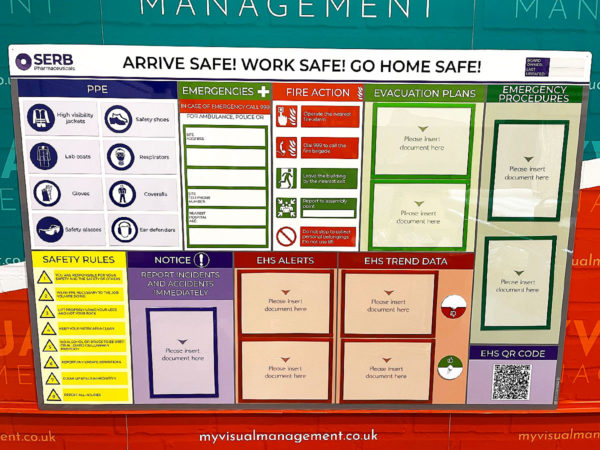
Safety communications boards are vital
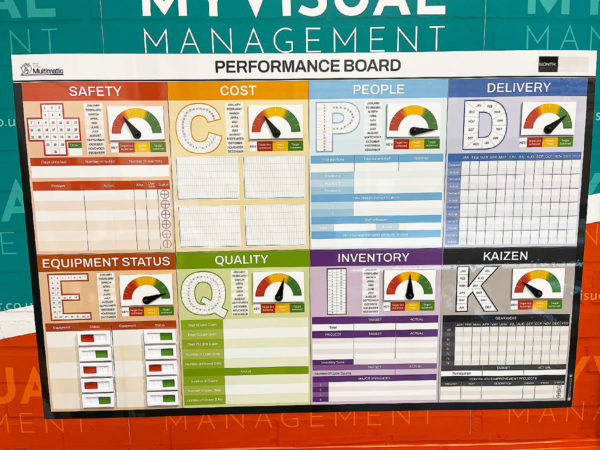
Visually support performance
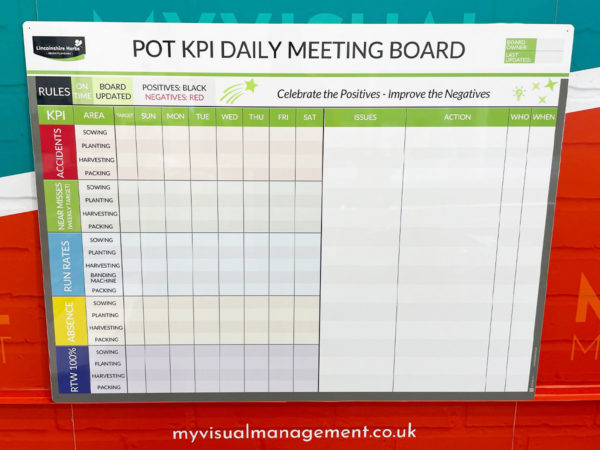
provide impetus for daily management initiatives
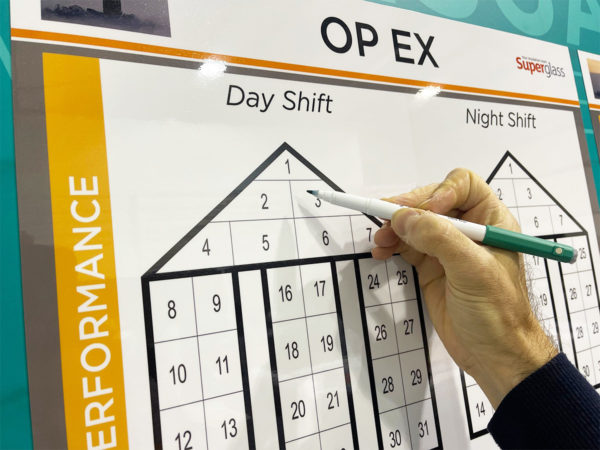
Visible shift management
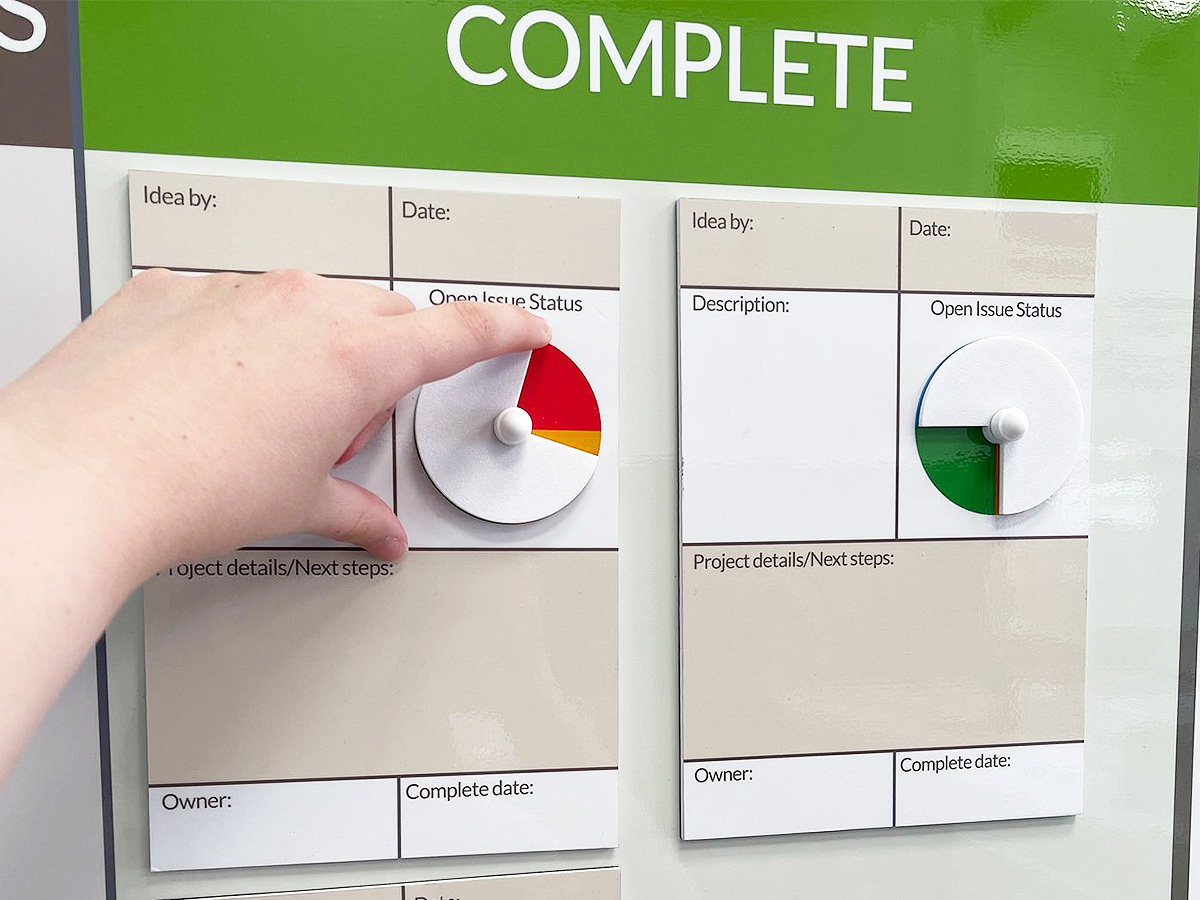
Create a real-time visual dashboard
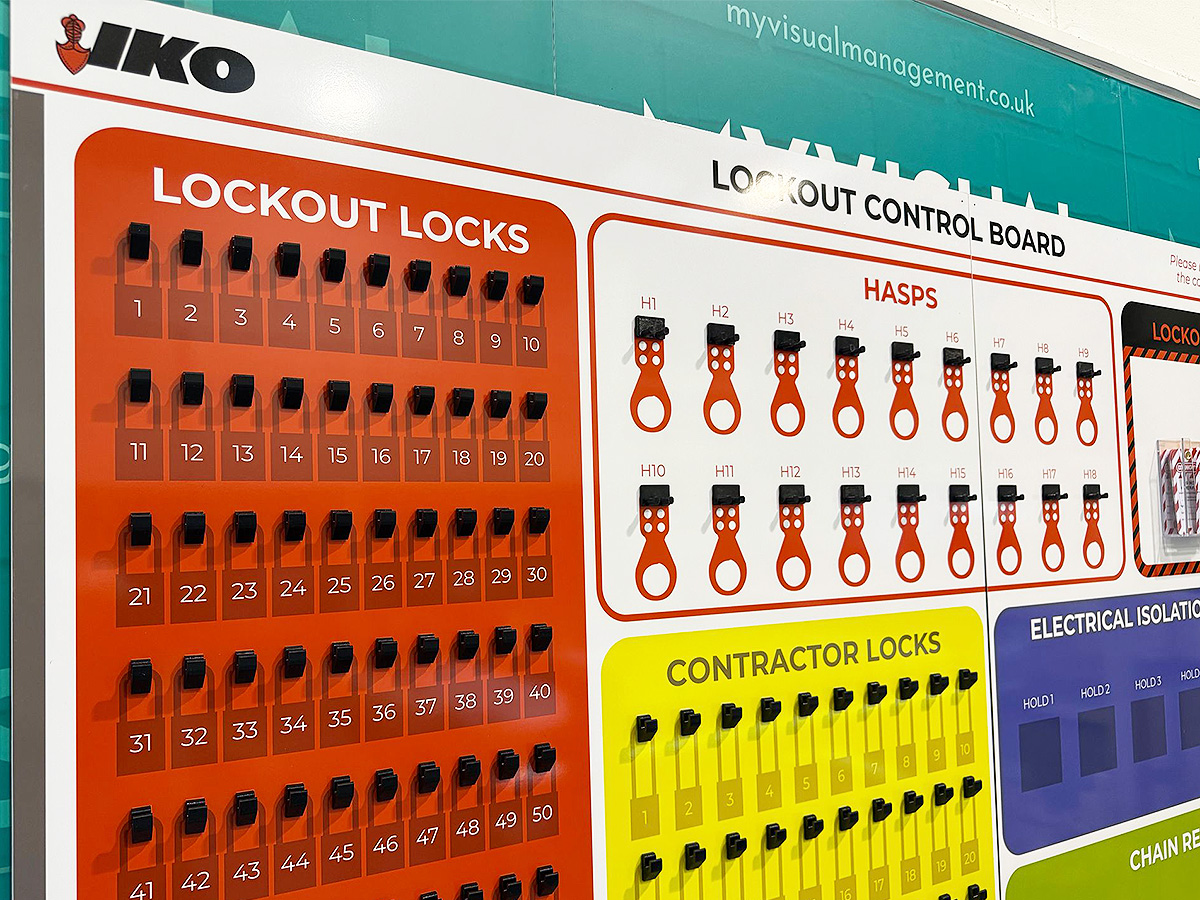
Bring visual, functional and intuitive together
Further examples


CI with dry wipe status circles

Continuous Improvement steps

CI Kanban board with status tickets

Continuous Improvement strategy board

QMS Overview Board

Theatre Improvement Board

CI foreign langauage board

Continuous Improvement status

Concerns Board

Short Interval Control board

Complaints board

Short Interval Control

Continuous Improvement board

Short Interval Control

PDCA board

Use status circles for updates

Kaizen for KPI tracking

Line Continuous Improvement

Kanban Continuous Improvement

Dry wipe status circles

Plan Do Check Act status dial

Processes for Continuous Improvement

Kaizen for Continuous Improvement

Loss Elimination Board

Colour coding Continuous Improvement

Colour code your Plan Do Check Act

Show your targets

Plan Do Check Act Board
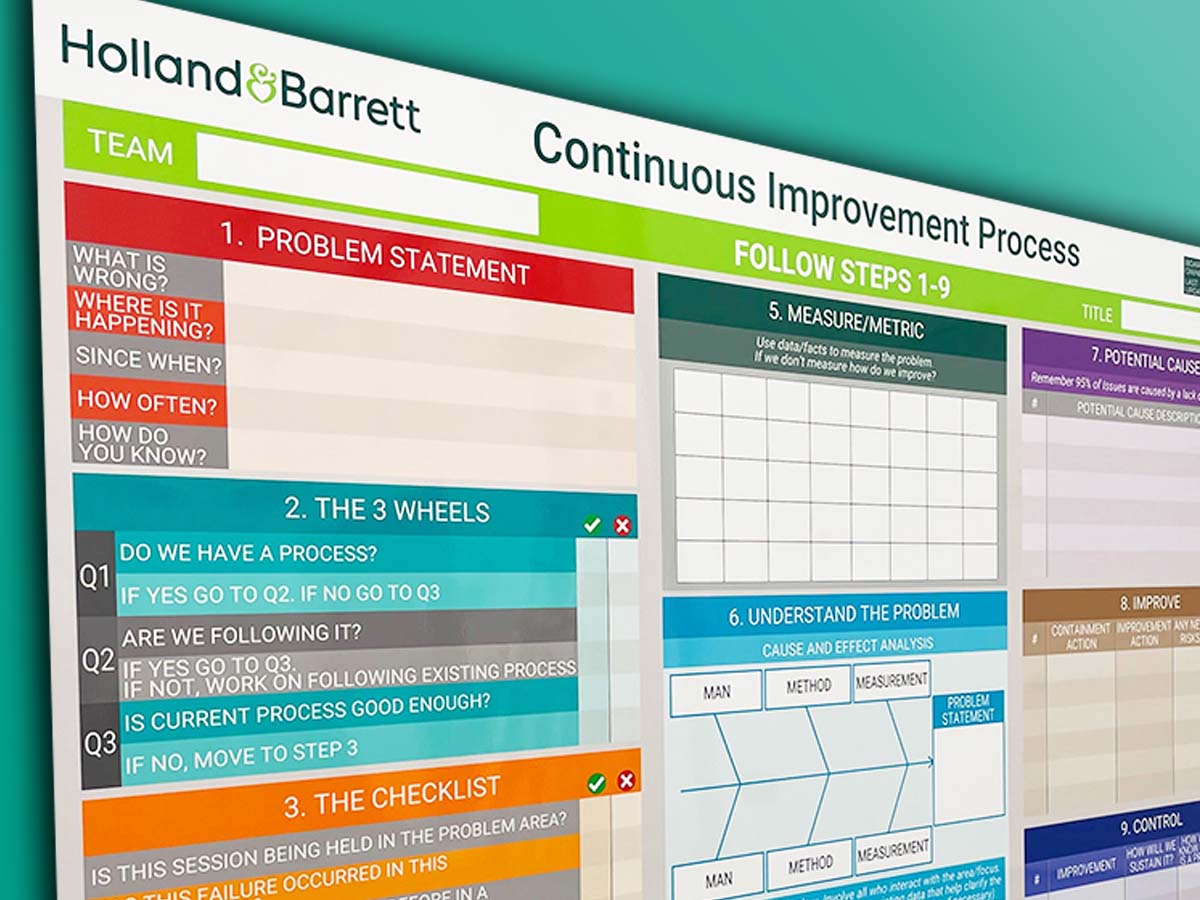
Continuous Improvement Process Board

Use colour for Continuous Improvement

Use colour in your 5S design

Kaizen room meeting schedule

Lean environment strategies

The PDCA cycle visually

Show Continuous Improvement visually

Plan Do Check Act status dial

Kaizen PFU boards

Errors Board

Short Interval Control Board

Kanban Continuous Improvement

PDCA cycle

Show your processes

Track daily progress
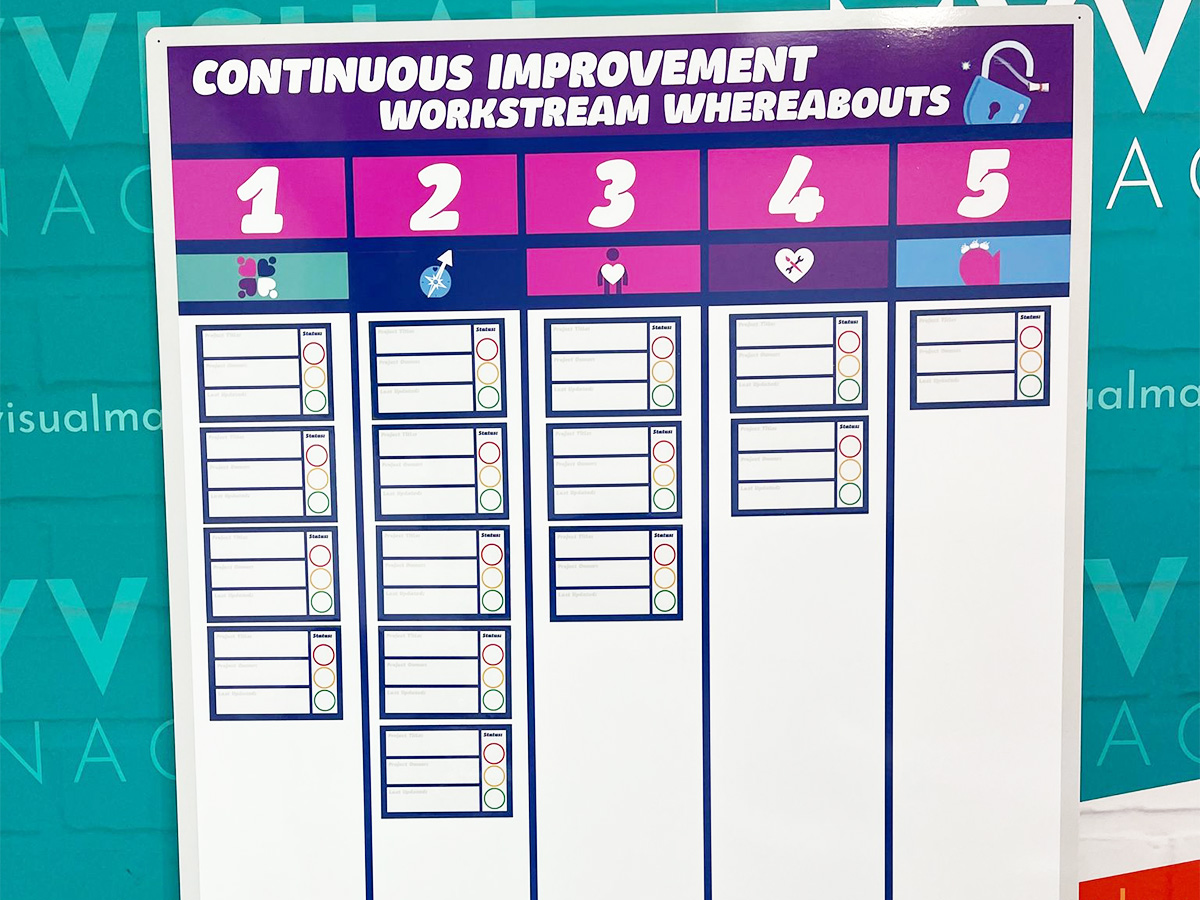
Workstream whereabouts CI

SIC status board

Track customer feedback performance

Add status dials to your 6S board

Update progress with status meters

Plan Do Check Act board
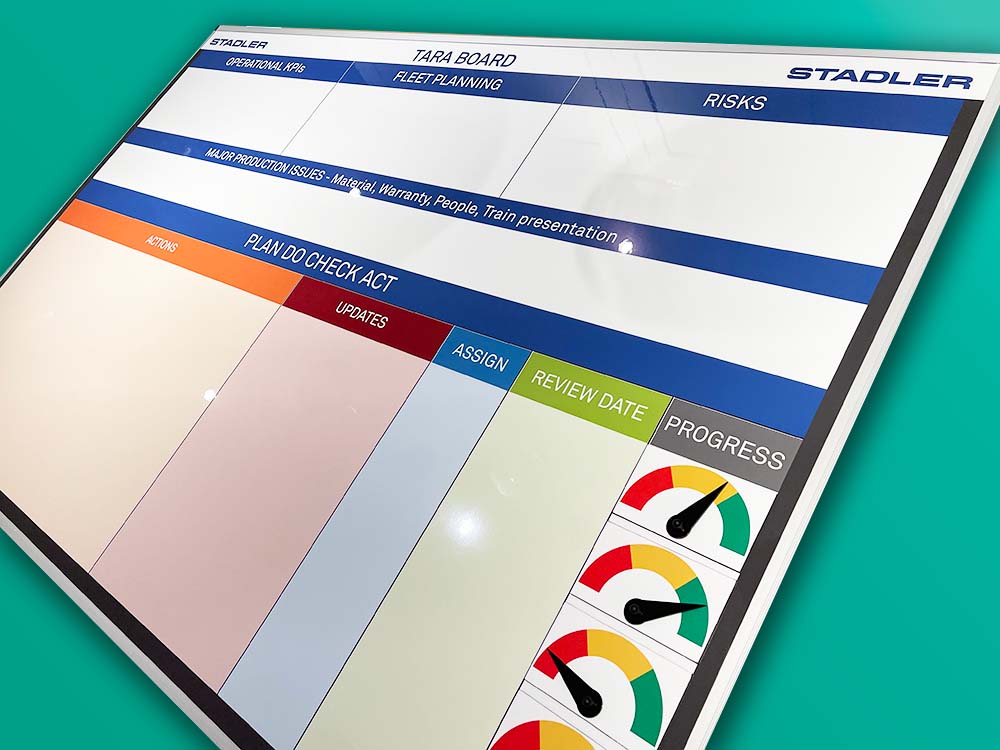
Use the Plan Do Check Act cycle

Food Production CI

KATA Improvement

Plan Do Check Act

Track targets as a department
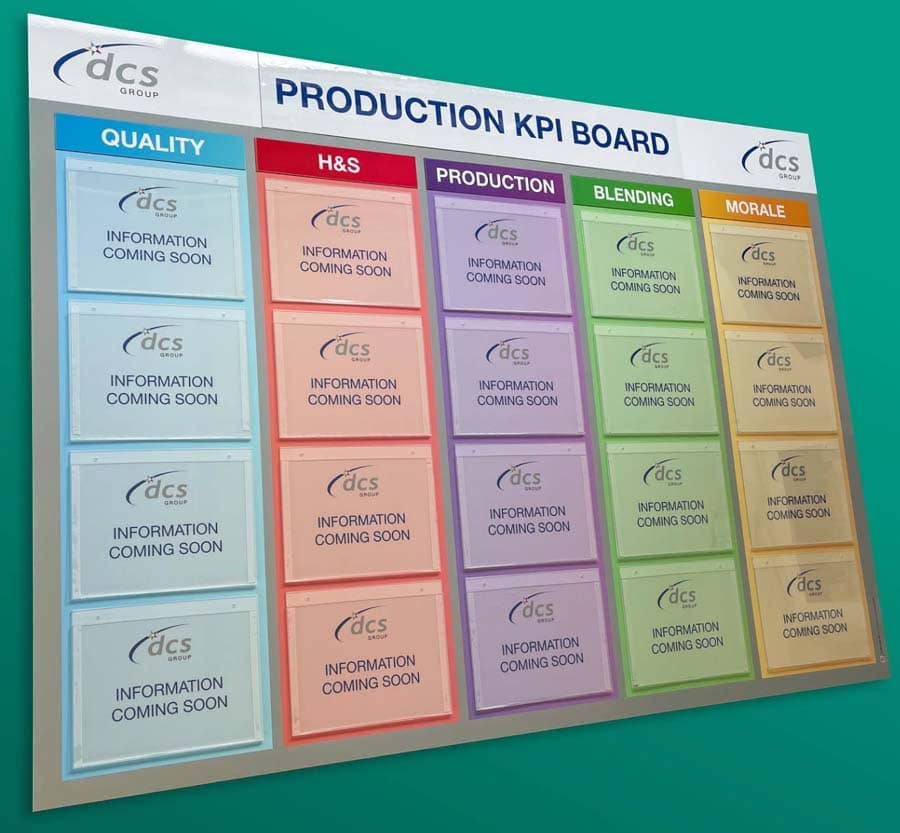
KPI board with document holders

Practical Problem Solving board

Visual Management with status dials

Status dials with percentages

Use dry wipe status indicators
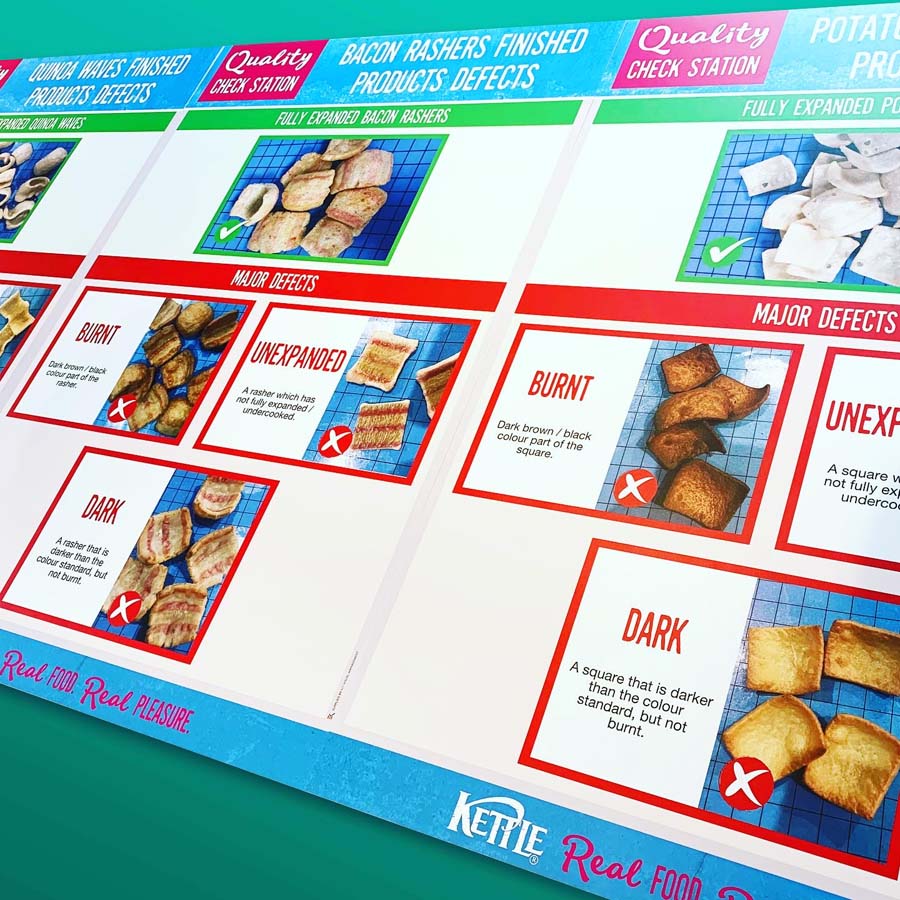
Quality Station Continuous Improvement


Our Approach
We create visual management boards everyday. As a result we have plenty of experience. We work for organisations in food production, the power industry, national rail, pharmaceuticals, education, healthcare, packaging and distribution.
Our team works with a simple idea or sketch and creates a professionally designed layout. This is then turned into a highly functional visual management board.
We offer customised options because we want to create the perfect board for you. So, here are a few examples. We can add magnetic areas or a dry-wipe finish (for use with whiteboard pens). Furthermore, you can choose Red/Green sliders or R.A.G. (Red, Amber, Green) status dials so you can quickly and visually update your board. These are just a few examples of the ways in which our boards can be tailored to meet your needs. You may also be interested in whiteboard overlays that can be used on top of an existing magnetic board.