

5S and Gemba are closely linked concepts, but they serve different purposes. One focuses on building and sustaining daily habits, while the other provides a structured way to observe and assess how work is actually happening at the point of use.
Understanding the difference between 5S and Gemba helps organisations apply each approach more effectively.
5S and Gemba: The Difference in Regularity
5S is a daily, ongoing discipline. It focuses on maintaining an organised, efficient, and safe workplace through consistent habits.
The 5S methodology is based on five elements:
-
Sort – remove what is not needed
-
Set in order – organise what remains
-
Shine – keep the area clean
-
Standardise – define consistent methods
-
Sustain – maintain the discipline over time
Together, these steps support continuous housekeeping and help teams work more efficiently by keeping the workplace organised and predictable.
Gemba, by contrast, is not a daily housekeeping activity. A Gemba Walk typically takes place weekly, monthly, or at defined intervals.
During a Gemba Walk, leaders and teams go to where the work happens to observe processes in real conditions. The scope is broader than 5S and may include safety, quality, delivery, performance, and problem-solving. While 5S can form part of a Gemba Walk, it is only one element being reviewed.
How Visual Management Boards Support 5S and Gemba
Visual management boards play an important role in both approaches. They make performance, targets, and status visible in real time.
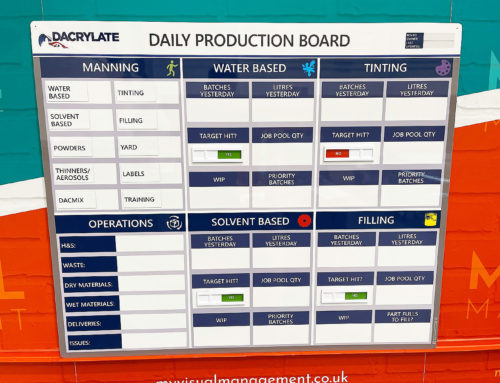
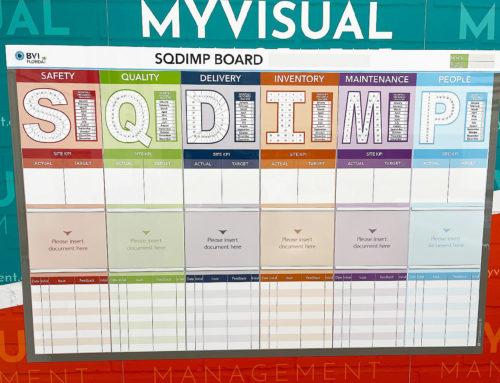
Daily management boards, Gemba boards, and 5S boards all support evaluation by showing how processes are operating right now. This visibility allows teams to identify issues quickly and discuss them using shared information.
Because visual management boards provide an at-a-glance view of performance, they act as natural checkpoints during a Gemba Walk.
The Difference Between 5S Boards and Gemba Boards
5S boards focus specifically on the 5S strategy. They support daily housekeeping activities, standard work, and sustaining workplace organisation.
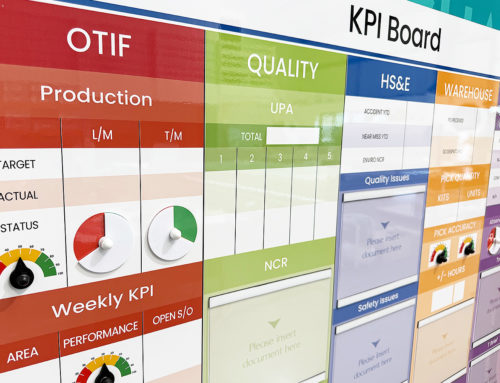
Gemba boards, on the other hand, provide visibility across multiple processes. They typically display a wider range of information, such as safety metrics, quality indicators, KPIs, actions, and issues.
While both board types are visual, their purpose and scope are different.
What 5S and Gemba Have in Common
Despite their differences, 5S and Gemba share a common goal: improving how work is done.
Both approaches sharpen focus, highlight opportunities for improvement, and support better decision-making. Showing targets, standards, and results visually strengthens both strategies by making expectations clear and performance easy to assess.
When combined with visual management boards, 5S and Gemba become more effective and easier to sustain.
Final Thoughts
5S and Gemba are complementary, not interchangeable. One builds strong daily habits, while the other provides structured observation and review.
Used together and supported by visual management, they help organisations maintain standards, identify issues, and continuously improve performance at the point of use.
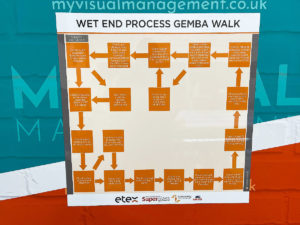
Supporting Gemba Walk process
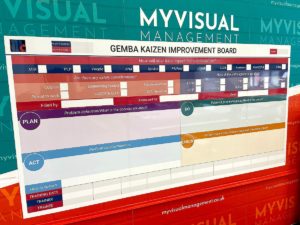
Visually work through Gemba, Kaizen, 5S and more

Make real time updates. Show how your process is right now.

Choose which processes to make visual

Use daily tracking to sustain the 5S habit and make it visual.

Be instantly clear: use visual status indicators
Further examples


Product 5S board
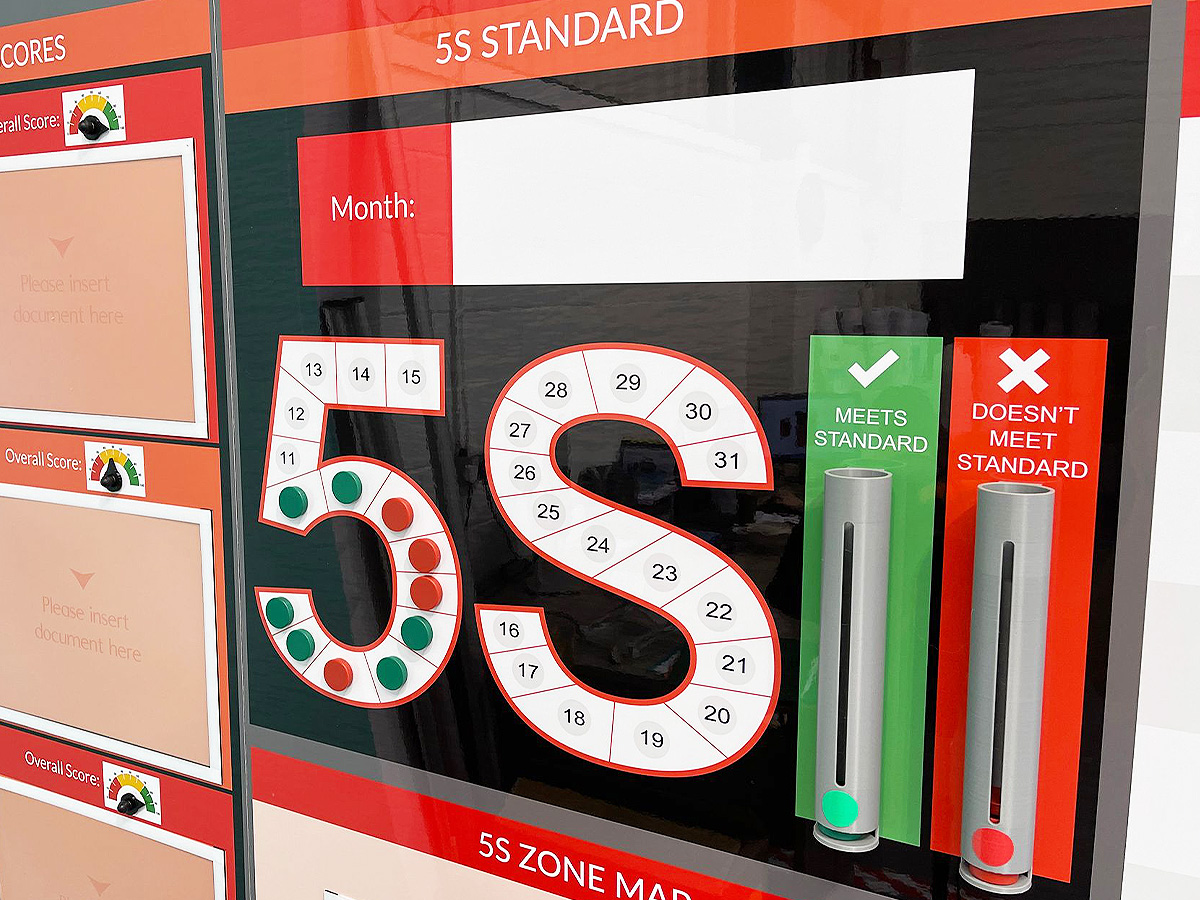
5S magnetic counters and dispensers

Product 5S board

5S board with status counters

5S & Safety Audit board

5S board with document holders

5S Management Board with dry wipe
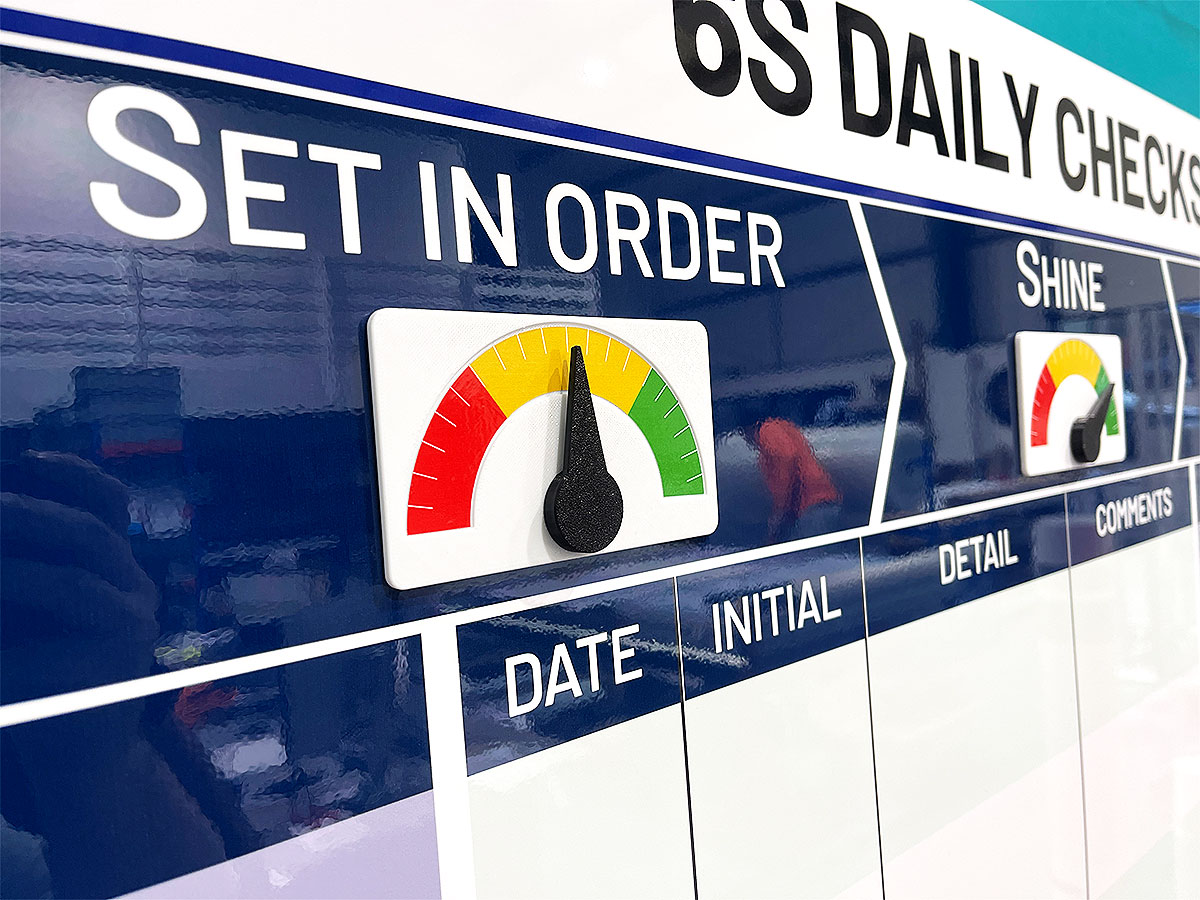
Set In Order status meter
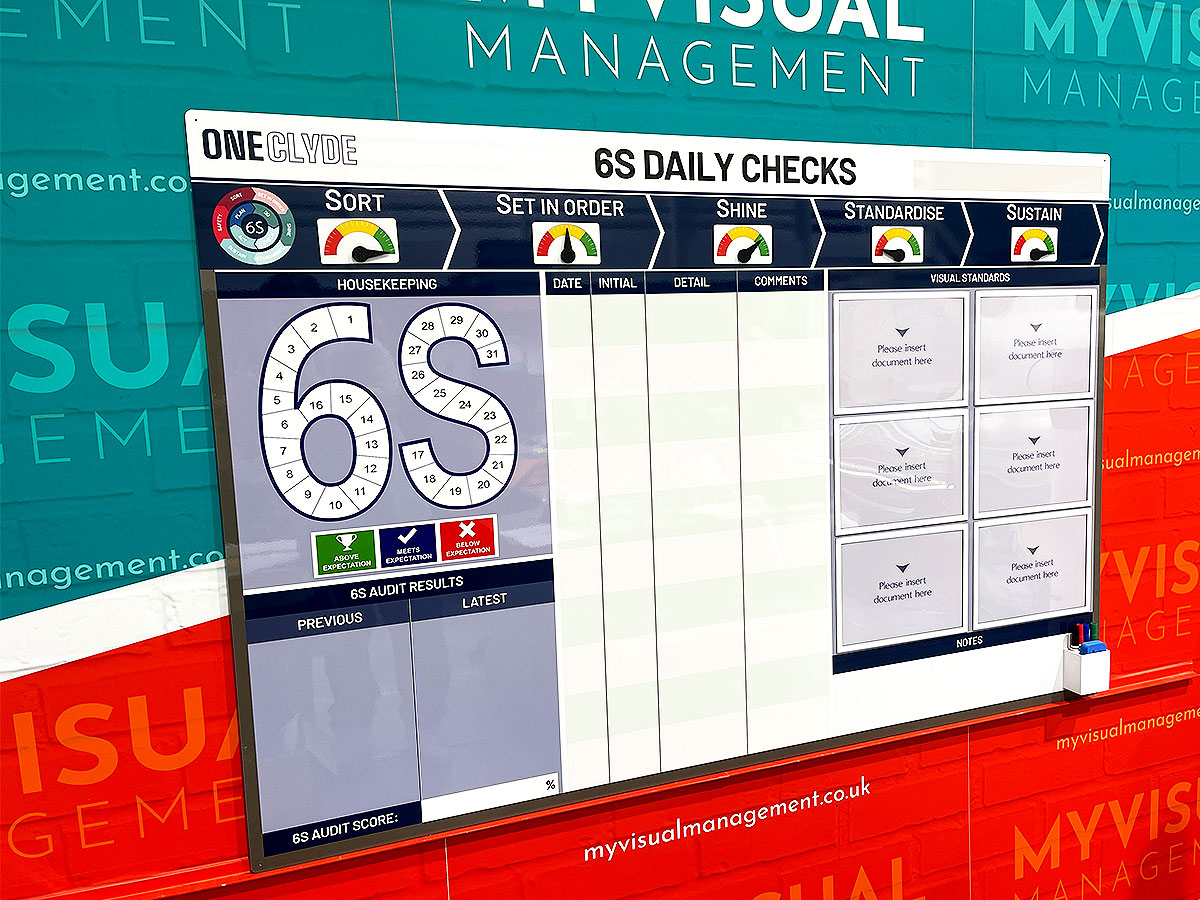
6S Daily Checks

Production Area 5S Noticeboard

5S board

5S status meters

Performance with 6S

5S Noticeboard

KPI board with modular 5S magnetics

5S Audit Board
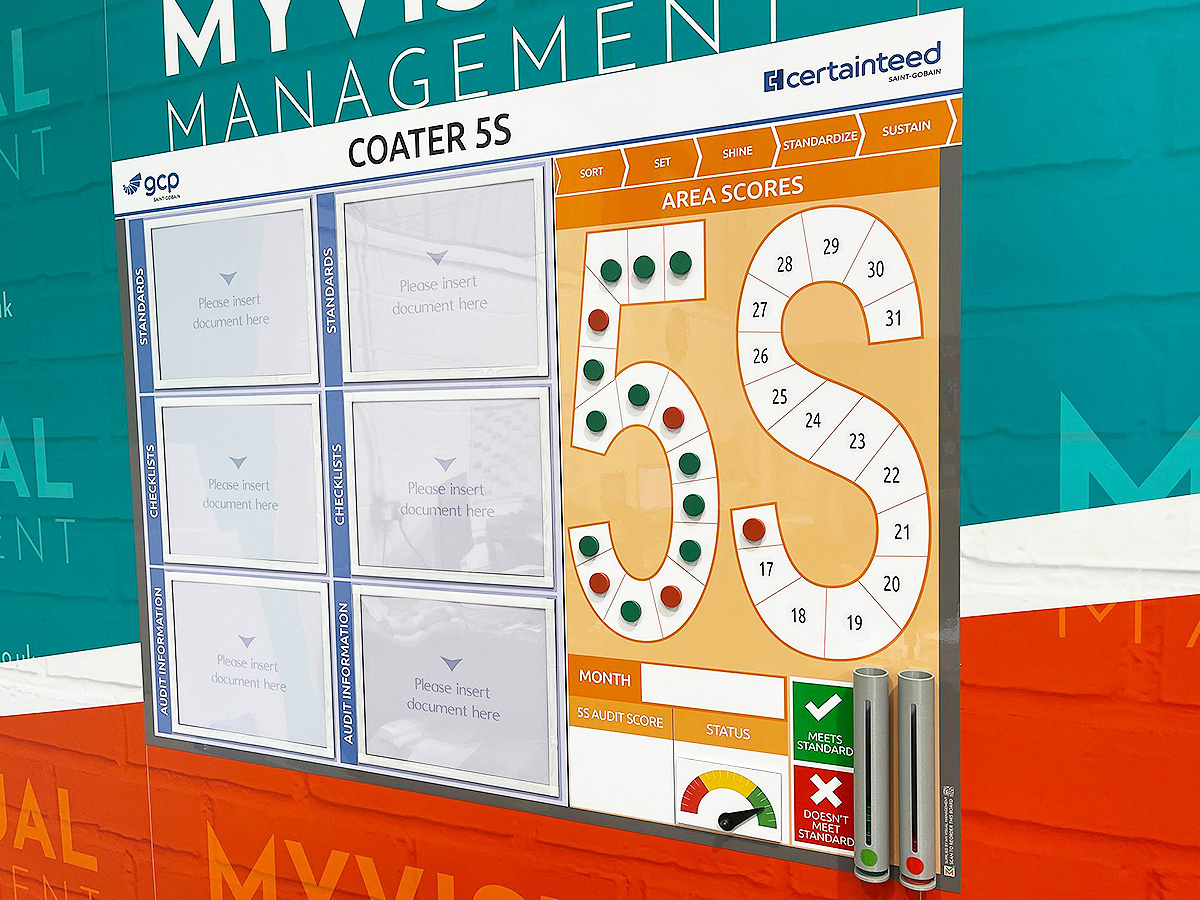
5S Board with status counters

5S Noticeboard

5S Scoreboard
KPI board with modular 5S magnetics

6S audit board

6S board

5S board
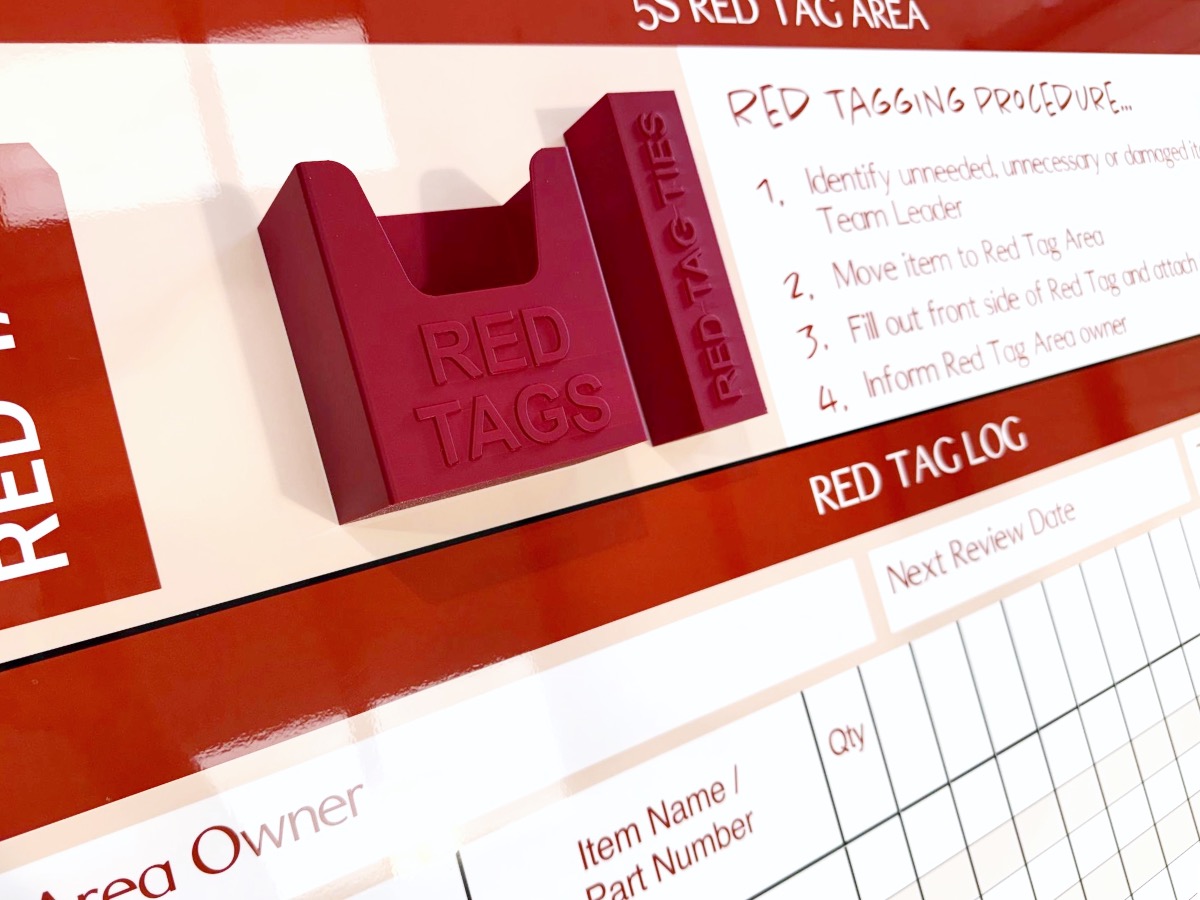
Red Tag procedures

5S dry wipe status

Document holders for visual standards

5S Production board

Red and green status counters

5S board with red and green holders

5S Sustainment board

Signs to support 5S

5S Scoreboard

5S Audit daily tracking pyramid

5S Before & After

Show your 5S visual standards

Signs to support 5S

5S Performance Board

5S Scoreboard

5S Sustainment Status board

Track 5S and Safety

6S Communications

6S visual standards and audit board

Show your 6S visual standards

Update visual standards easily

Spell put your 5S vision

Define 5S terms for your team
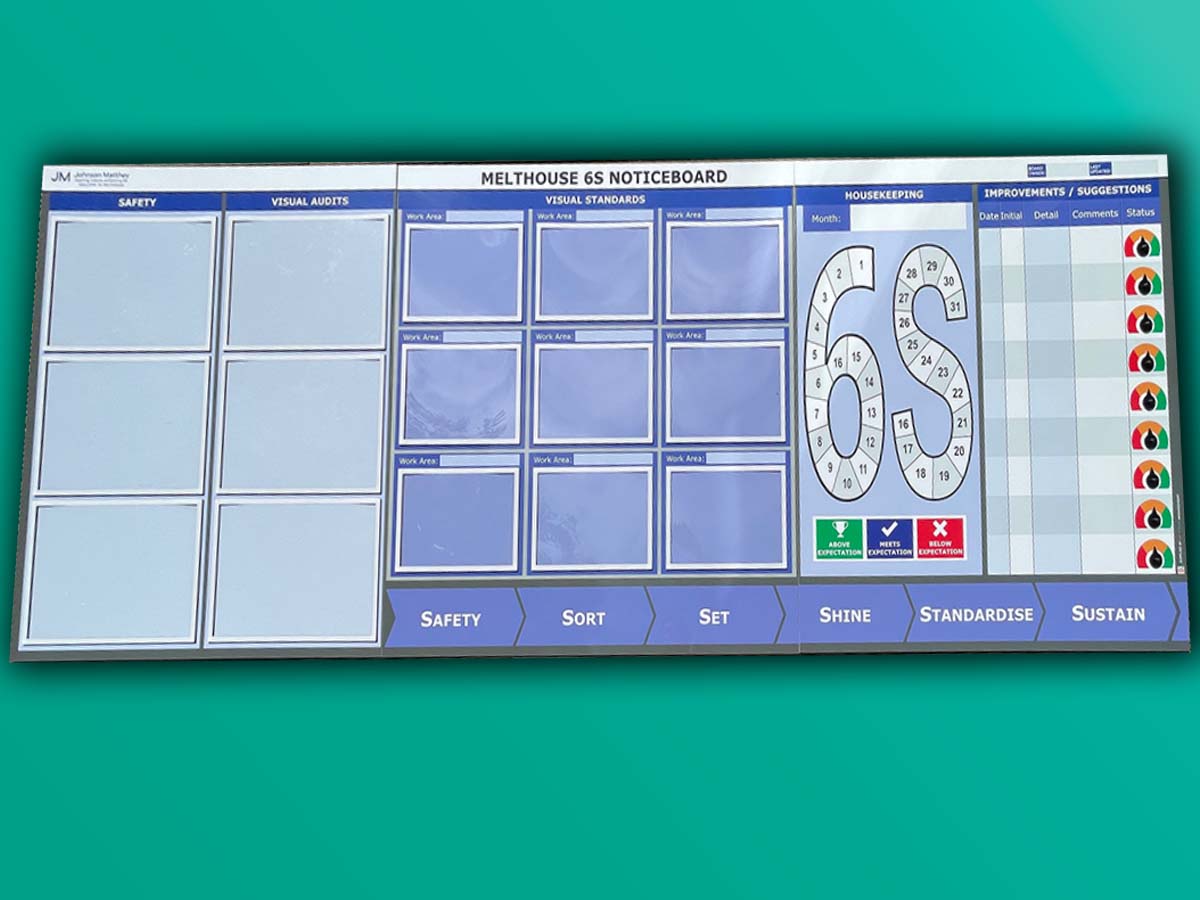
6S Noticeboard

Track your progress with status meters

6S Communications with dry wipe status

Add card and document holders

Add document holders

6S Performance Tracker

Before & After for 5S

Create a 5S task list

Chart progress with status meters

6S board with status meters

5S Noticeboard for manufacturing

Status meters 5S board

Dry wipe status 5S board

Make 5S visual

Dry wipe updates for 6S

Dry eraze updates for 5S

Use status meters to show 5S progress

5S Sustainment Board

Record 5S progress

5S Audit and Results board
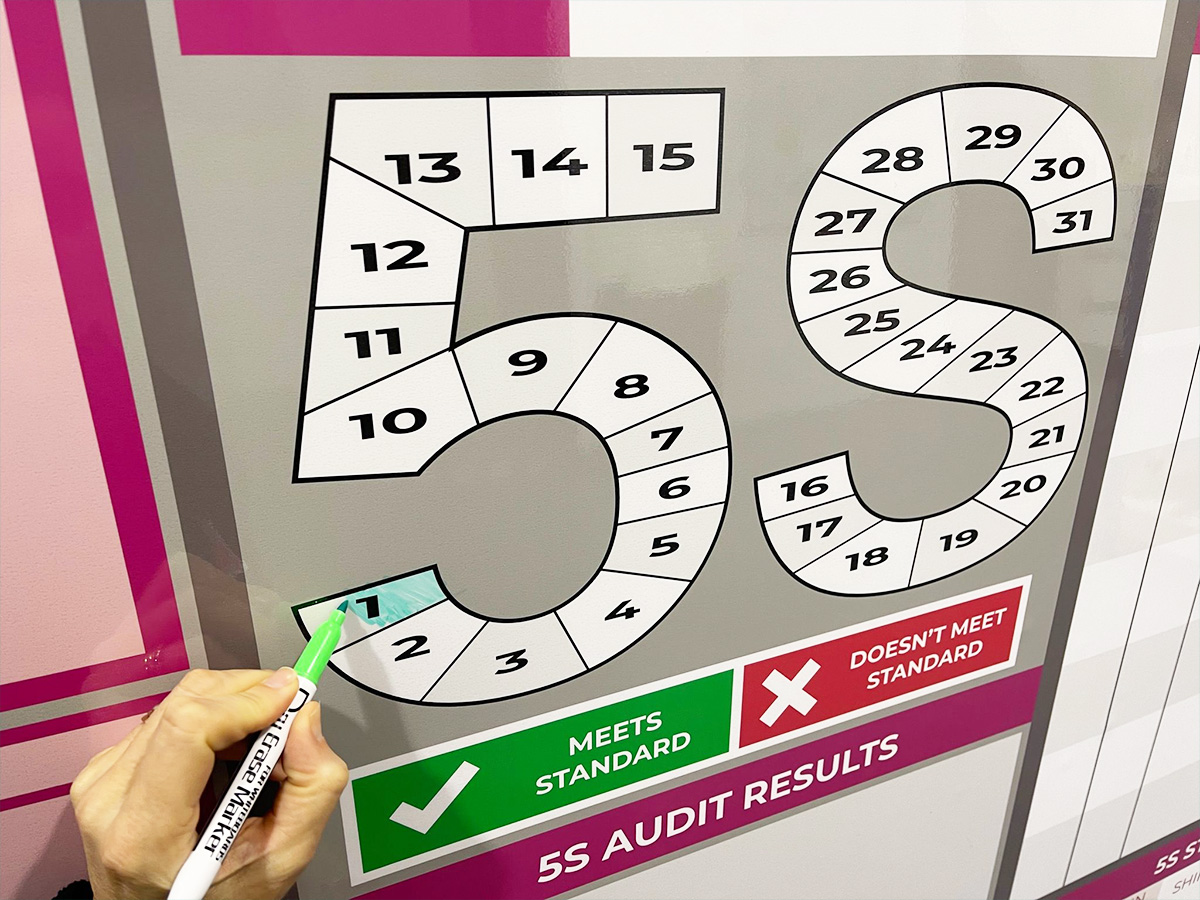
Dy wipe update daily metrics

Status meters provide visual snapshot

Show your 5S audit and visual standard

Show current status with meters

Show status for each 5S metric

Red Tag station board

Triple shift pattern for 5S

Add document holders to your 5S board

Dry wipe status and document holders

Use dry wipe for easy updates

Status meters and dry wipe

Update with dry wipe pens

Use colour in your 5S design

Show your visual standards

Make your 5S board modular

Icons for 5S

Add status dials to your 6S board

Magnetic needle for your status meters

5S on a Kaizen board

6S option

Integrate 5S with Kaizen

Dry wipe status on your 5S board

Magnetic labels for visual status

Manufacturing 5S board

Add document holders to your 5S board

SQD/5S with magnetic status faces

Mark your floor for safety

Works everyday of the month

Instant updates with status dials


Our Approach
We create visual management boards everyday. As a result we have plenty of experience. We work for organisations in food production, the power industry, national rail, pharmaceuticals, education, healthcare, packaging and distribution.
Our team works with a simple idea or sketch and creates a professionally designed layout. This is then turned into a highly functional visual management board.
We offer customised options because we want to create the perfect board for you. So, here are a few examples. We can add magnetic areas or a dry-wipe finish (for use with whiteboard pens). Furthermore, you can choose Red/Green sliders or R.A.G. (Red, Amber, Green) status dials so you can quickly and visually update your board. These are just a few examples of the ways in which our boards can be tailored to meet your needs. You may also be interested in whiteboard overlays that can be used on top of an existing magnetic board.