

Building Safety Regulator Transition and the Role of Visual Management
The Building Safety Regulator transition marks an important stage in the evolution of the UK’s building safety framework. From January 2026, responsibility for the Building Safety Regulator will sit within a new independent arm’s-length body under the Department for Levelling Up, Housing and Communities.
As the Building Safety Regulator transition takes effect, building owners, accountable persons and facilities teams are reviewing how building safety responsibilities are managed, communicated and demonstrated in practice.
Understanding the Building Safety Regulator Transition
The Building Safety Regulator was established to oversee safety standards in higher-risk buildings and to strengthen accountability across the built environment. The current transition formalises its long-term regulatory position and reinforces expectations around governance, oversight and information management.
While the core legal duties remain unchanged, the Building Safety Regulator transition places renewed emphasis on how safety-related information is maintained, kept up to date and made accessible to those with responsibility for managing buildings.
Building Safety Regulator Transition: Implications for Dutyholders
For Accountable Persons, Principal Accountable Persons and property managers, the regulatory framework continues to focus on clear responsibility and demonstrable oversight.
In practice, this means organisations are increasingly paying attention to how building safety information is:
-
communicated within buildings
-
shared with contractors and dutyholders
-
reviewed and updated over time
-
made visible during inspections, audits or internal reviews
As regulatory oversight matures, there is growing focus on how compliance is managed day to day, not just how it is documented.
The Role of Visual Management in Building Safety
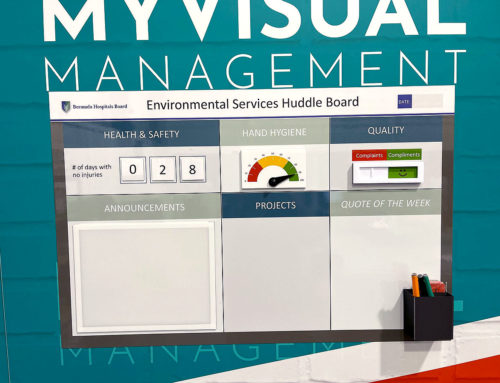
Visual management does not replace statutory records, digital systems or formal submissions. However, in the context of the Building Safety Regulator transition, many organisations are exploring visual management as a way to support clarity, consistency and routine oversight.
Common applications include:
-
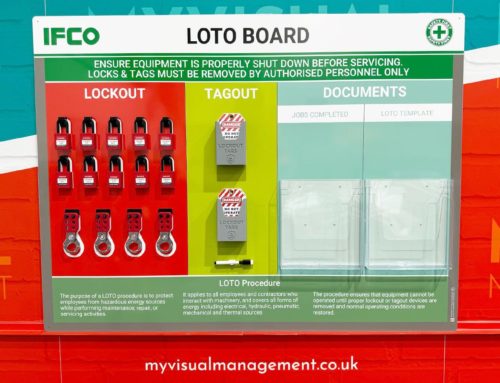
Safety communication boards for site-specific information
-
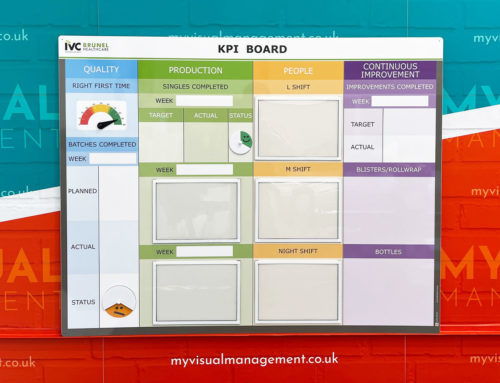
Compliance tracking boards showing review cycles and actions
-
Building Assessment Certificate (BAC) status boards
-
Contractor management boards clarifying roles and access
Used appropriately, these tools help ensure that key information is visible, current and understood by those responsible for managing the building.
Why Visibility Matters in Building Safety Management
Building safety relies on shared understanding. When responsibilities, actions and statuses are clearly visible, organisations are better able to:
maintain consistency across sites
support contractor coordination
reduce reliance on informal knowledge
demonstrate structured oversight
As the Building Safety Regulator transition continues to embed, visibility and routine review are becoming increasingly important elements of effective building safety management.
What the Building Safety Regulator Transition Means Going Forward
The transition of the Building Safety Regulator reflects a broader shift toward long-term, structured oversight of building safety. For dutyholders, the focus remains on maintaining clear processes, accurate information and effective communication.
Within this environment, visual management is increasingly considered as part of wider systems that support clarity, accountability and consistency — alongside formal compliance and professional expertise.
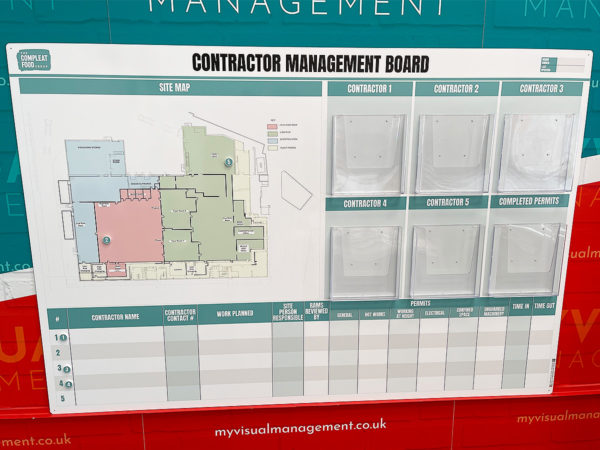
Make contractor management visual and accessible
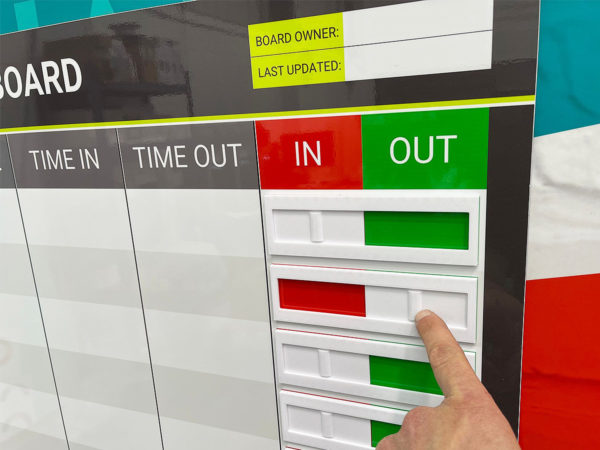
Visually manage who is on site and when
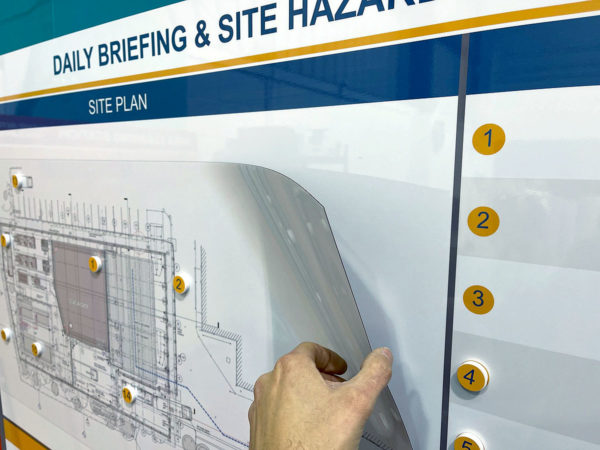
Update the site map whenever you need
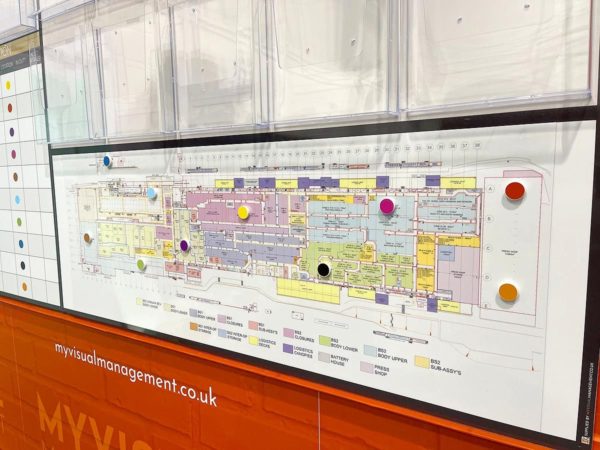
Show where contractors are working on site and what type of work is being undertaken
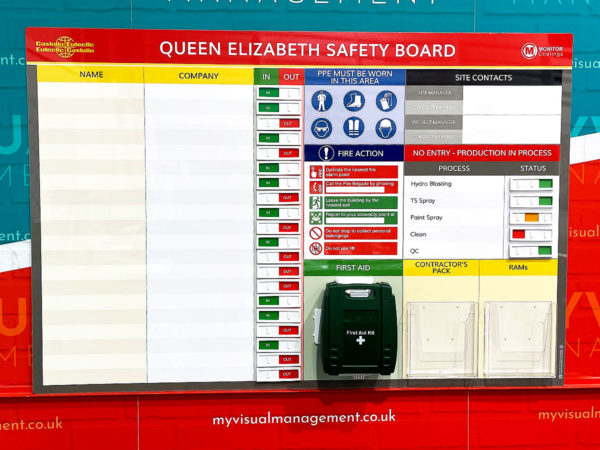
Bring visibility to all aspects of site safety communications
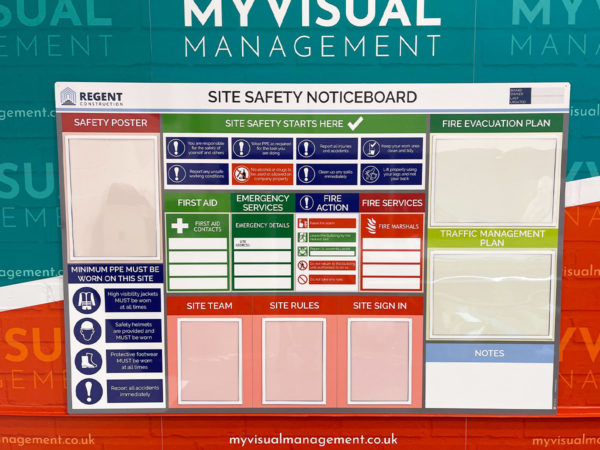
Site safety noticeboards are vital
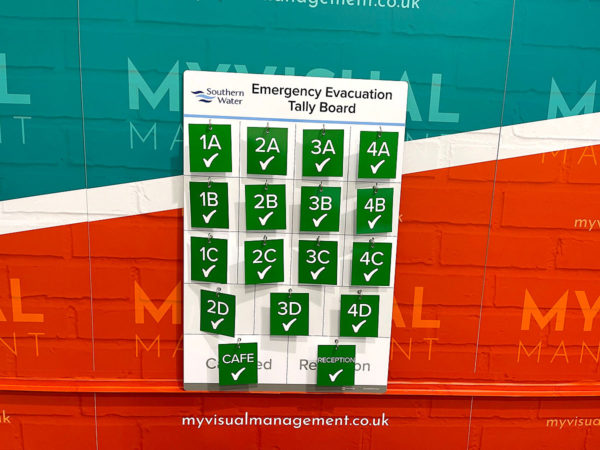
Evacuation processes can be visual
You May Also Like


Our Approach
We create visual management boards everyday. As a result we have plenty of experience. We work for organisations in food production, the power industry, national rail, pharmaceuticals, education, healthcare, packaging and distribution.
Our team works with a simple idea or sketch and creates a professionally designed layout. This is then turned into a highly functional visual management board.
We offer customised options because we want to create the perfect board for you. So, here are a few examples. We can add magnetic areas or a dry-wipe finish (for use with whiteboard pens). Furthermore, you can choose Red/Green sliders or R.A.G. (Red, Amber, Green) status dials so you can quickly and visually update your board. These are just a few examples of the ways in which our boards can be tailored to meet your needs. You may also be interested in whiteboard overlays that can be used on top of an existing magnetic board.