

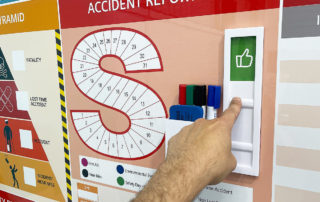
Making Safety Visible: Supporting Safer Workplaces Through Visual Systems
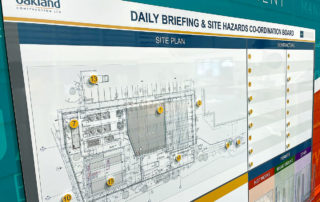
Discover how visual safety systems help make workplace safety clearer, more consistent and easier to manage. Supporting safer operations every day.
Discover how visual safety systems help make workplace safety clearer, more consistent and easier to manage. Supporting safer operations every day.
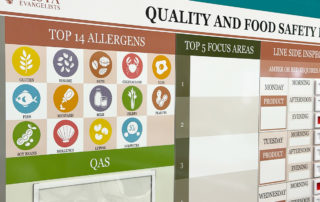
Allergy awareness is an important consideration across a wide range of environments, including schools, food production, healthcare and workplaces. See ideas and learn more...
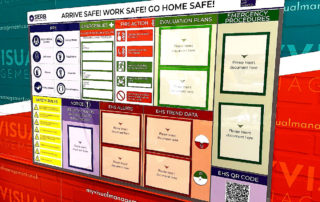
Visual management in fire safety does not replace formal documentation or regulatory controls. However, it can support clarity, coordination and consistency in operational environments where responsibilities and procedures must be clearly understood.
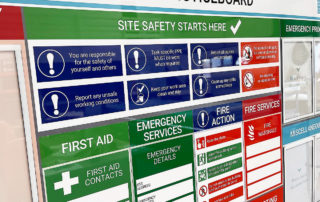
As ISO 7010 safety signage evolves, organisations are reviewing how visual management supports clarity, consistency and safe working.
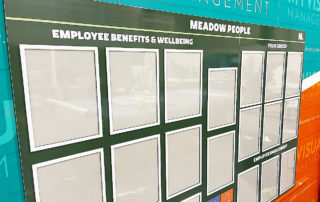
Workplace conversations around menopause are becoming more open, with many organisations recognising the importance of providing consistent, practical support for employees.
The change marks a significant step in the ongoing implementation of the Building Safety Act framework and places renewed emphasis on how building safety information is managed, maintained and demonstrated in practice. See how visual management plays a role.
Recent Health and Safety Executive (HSE) statistics have increased attention on how organisations manage work-related stress and mental wellbeing. Use visual management to support routine, wellbeing and mental health awareness at work
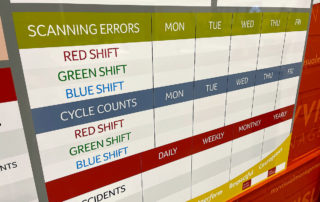
Explore how visual management supports clearer shift handovers by making status, priorities and actions visible across teams and shifts.
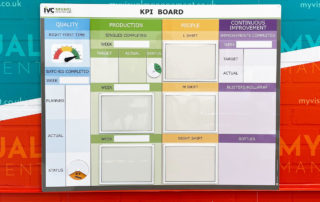
High-volume production plants are adopting KPI boards to improve performance visibility, strengthen communication and support faster decision-making on the shop floor.
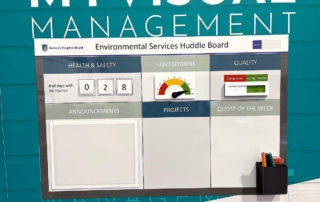
Food and pharmaceutical facilities use visual indicators and clear prompts to support sanitation routines, prevent errors and maintain consistent standards across shifts.