

Workplace conversations around menopause are becoming more open, with many organisations recognising the importance of providing consistent, practical support for employees.
Rather than treating menopause as a standalone initiative, employers are increasingly embedding support within broader wellbeing, people management and workplace policies. The focus is often on creating an environment where employees feel understood, supported and able to access information when they need it.
Building Awareness and Understanding
Many organisations begin by improving awareness. This can include guidance for managers, access to information, and integration of menopause topics into existing wellbeing initiatives.
The aim is to help teams understand:
-
how menopause may affect individuals differently
-
how managers can respond appropriately
-
where support and resources can be accessed
This helps reduce stigma and creates a more supportive workplace culture.
Creating Consistency Across Teams
One of the challenges organisations face is ensuring support is consistent across departments, locations and management styles. Without structure, approaches can vary depending on individual awareness or confidence.
Employers are therefore focusing on:
-
clear internal guidance
-
defined support pathways
-
consistent communication
-
regular review of wellbeing initiatives
This helps ensure that support is applied fairly and remains visible over time.
Supporting Communication and Follow-Up
Menopause support often relies on sensitive, well-timed conversations. Organisations are exploring ways to make it easier for managers and teams to access guidance and maintain continuity without singling individuals out.
This may involve:
-
making policies and resources easy to find
-
embedding wellbeing check-ins into existing routines
-
ensuring actions and commitments are followed up
The emphasis is on creating supportive systems rather than relying solely on individual awareness.
Where Visual Management Can Play a Supportive Role
Visual management is sometimes used as part of broader workplace wellbeing approaches to support clarity and communication.
Examples may include:
-
making wellbeing resources visible and accessible
-
supporting awareness initiatives
-
reinforcing communication and guidance for managers
-
helping track organisational actions and follow-up
Importantly, these tools are used to support communication and structure at an organisational level — not to monitor individuals or personal health.
A Gradual, Evolving Approach
Workplace menopause support continues to develop as organisations learn what works best for their people. Many are taking a gradual approach, embedding support within wider wellbeing strategies and everyday management practices.
By focusing on understanding, communication and consistency, organisations are building environments where employees feel more comfortable accessing support when needed.
In this context, structured systems that support clarity, awareness and follow-up can play a helpful role alongside wider organisational initiatives.
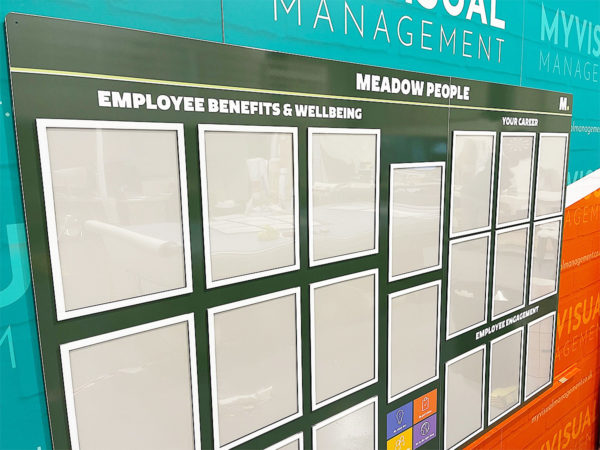
Making wellbeing resources visible and accessible matters
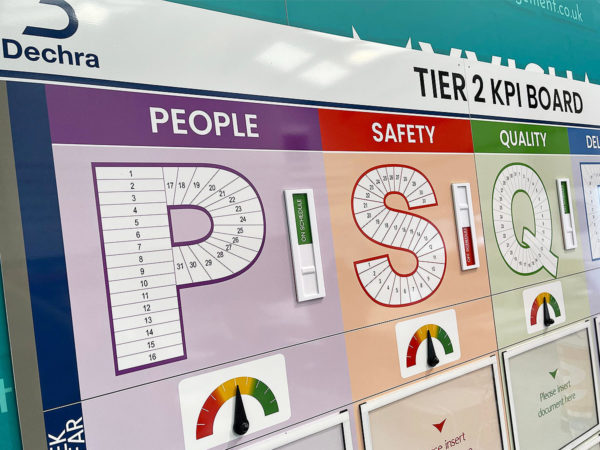
Helping track organisational actions and follow-up
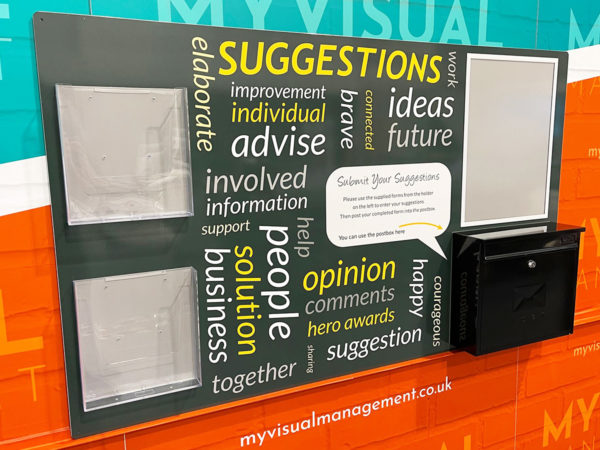
Ensuring feedback is part of culture
Further examples


Team Management Standard board
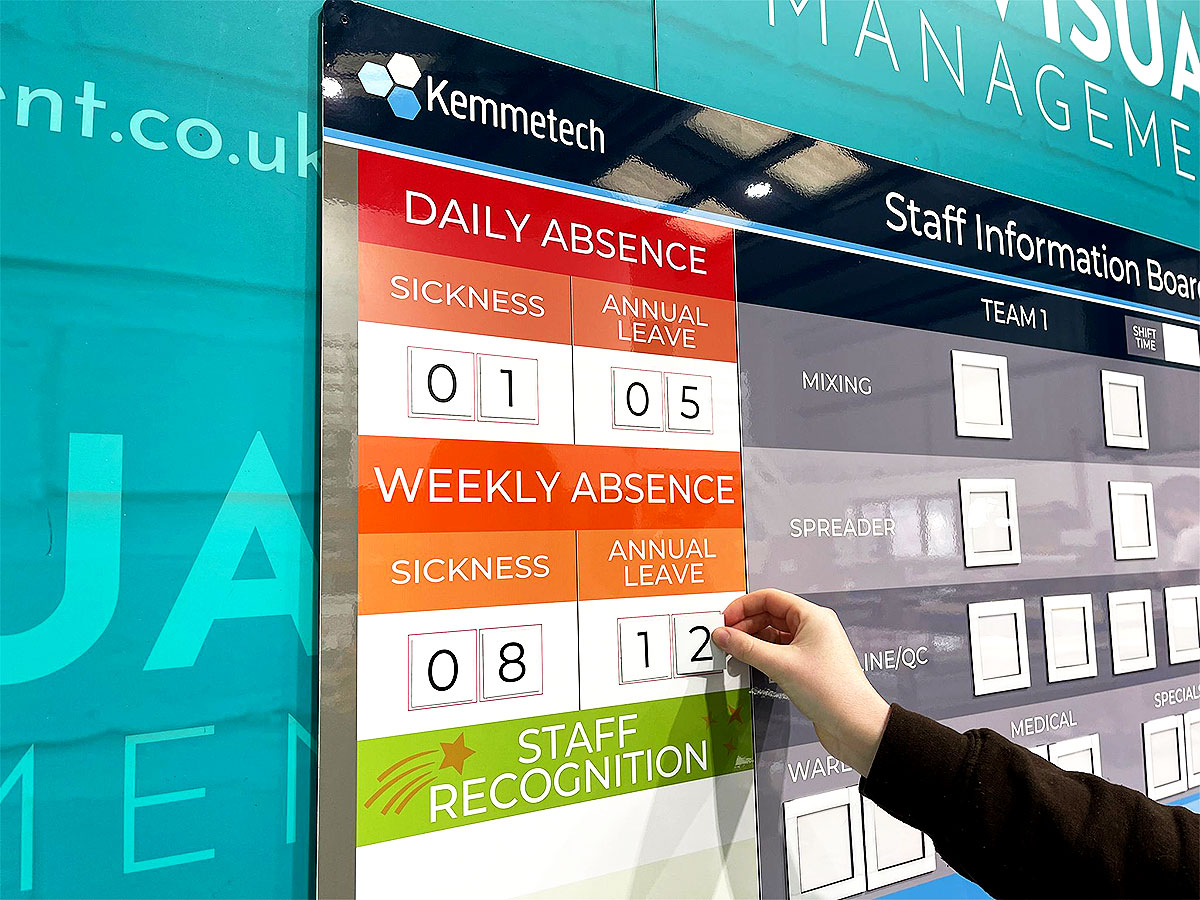
Show staff absences visually

Magnetic Labels
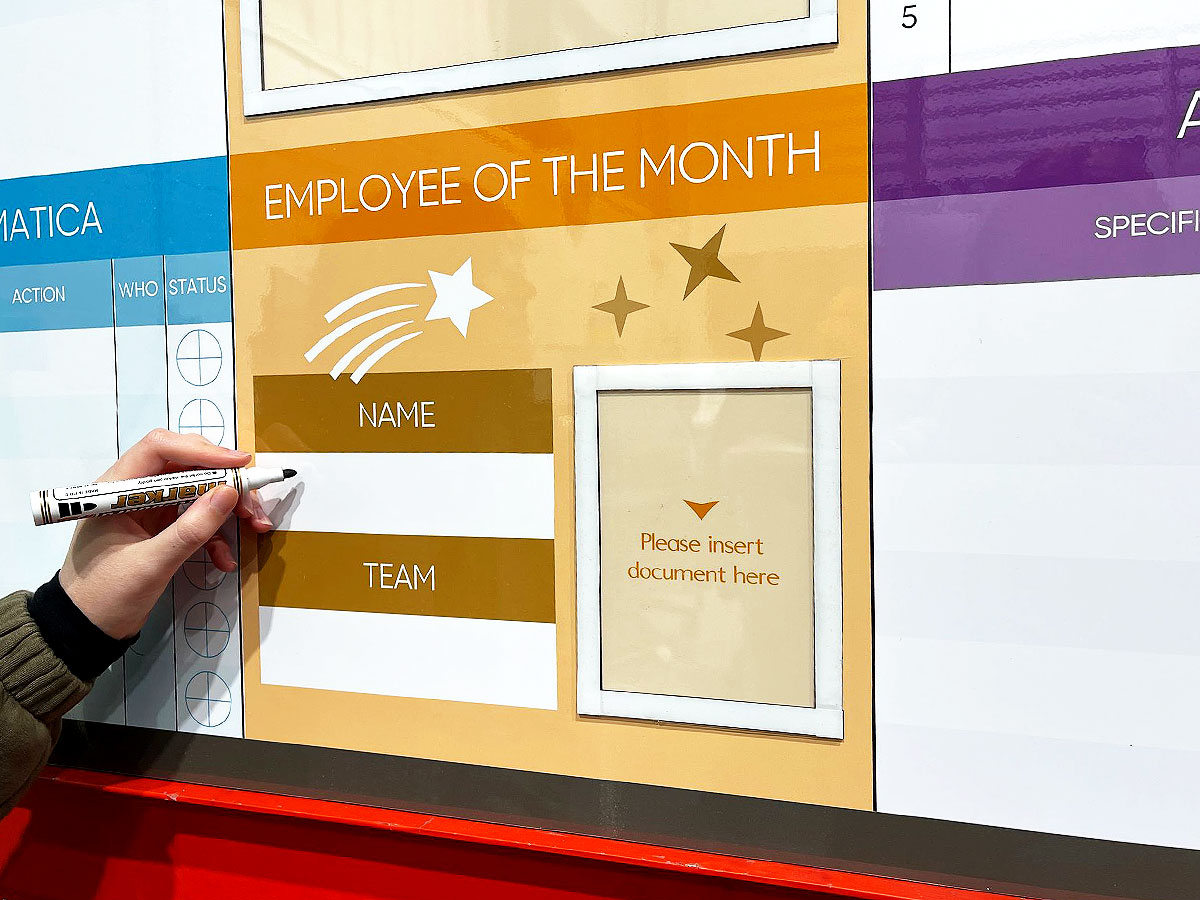
Team Huddle Board

KPI board with document holders

Star of the Month Board

Logistics Team Update board

Purchasing Team board

Monthly Planner

Staff Attendance board

Shift communications

Meet the Team

Team Management Board
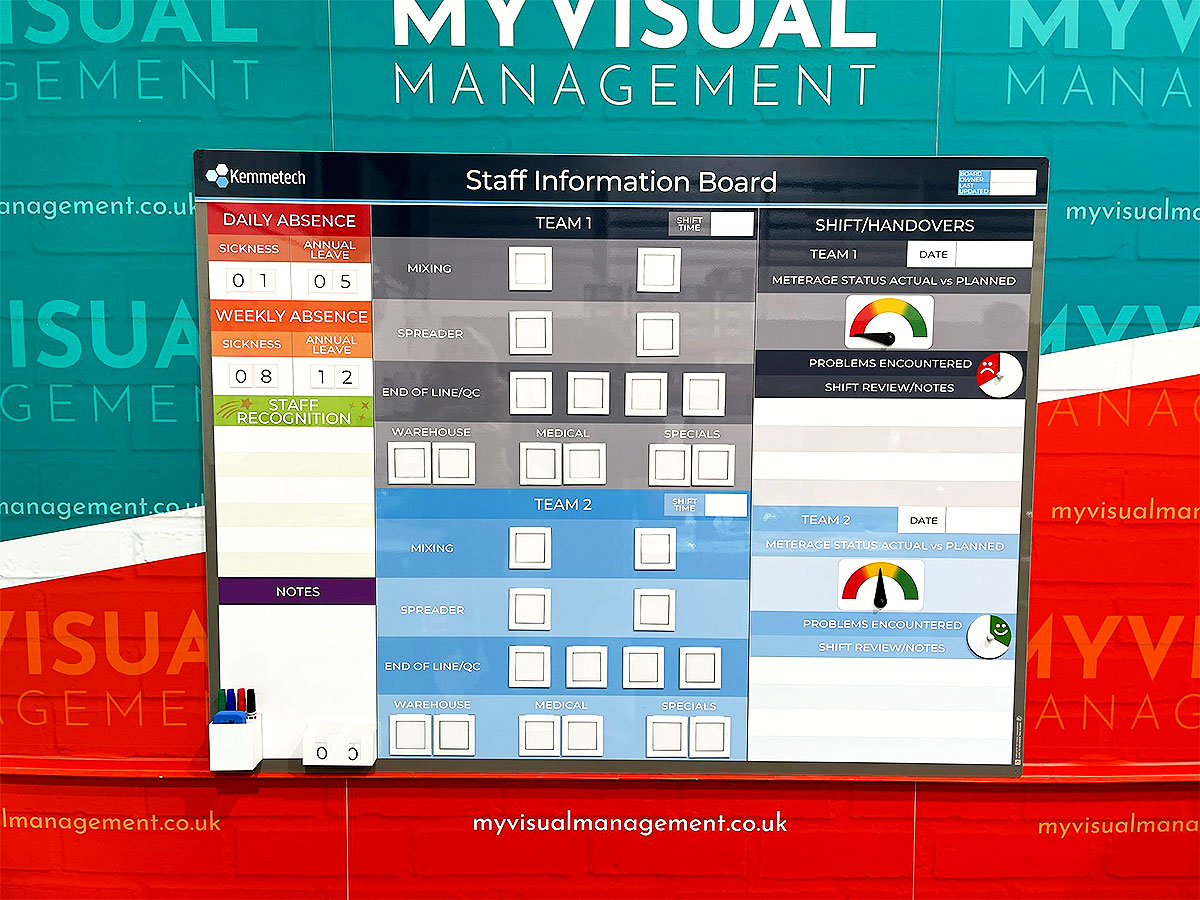
Staff Information board

Multi and single sheet document holders

Fleet team management

Show your supervisors

Employee Forum board

Employee Notice Board

Colour code your shifts

Your Voice board

Team Meeting printed whiteboard

Shift Information board
Purchasing Team board

Engagement Board
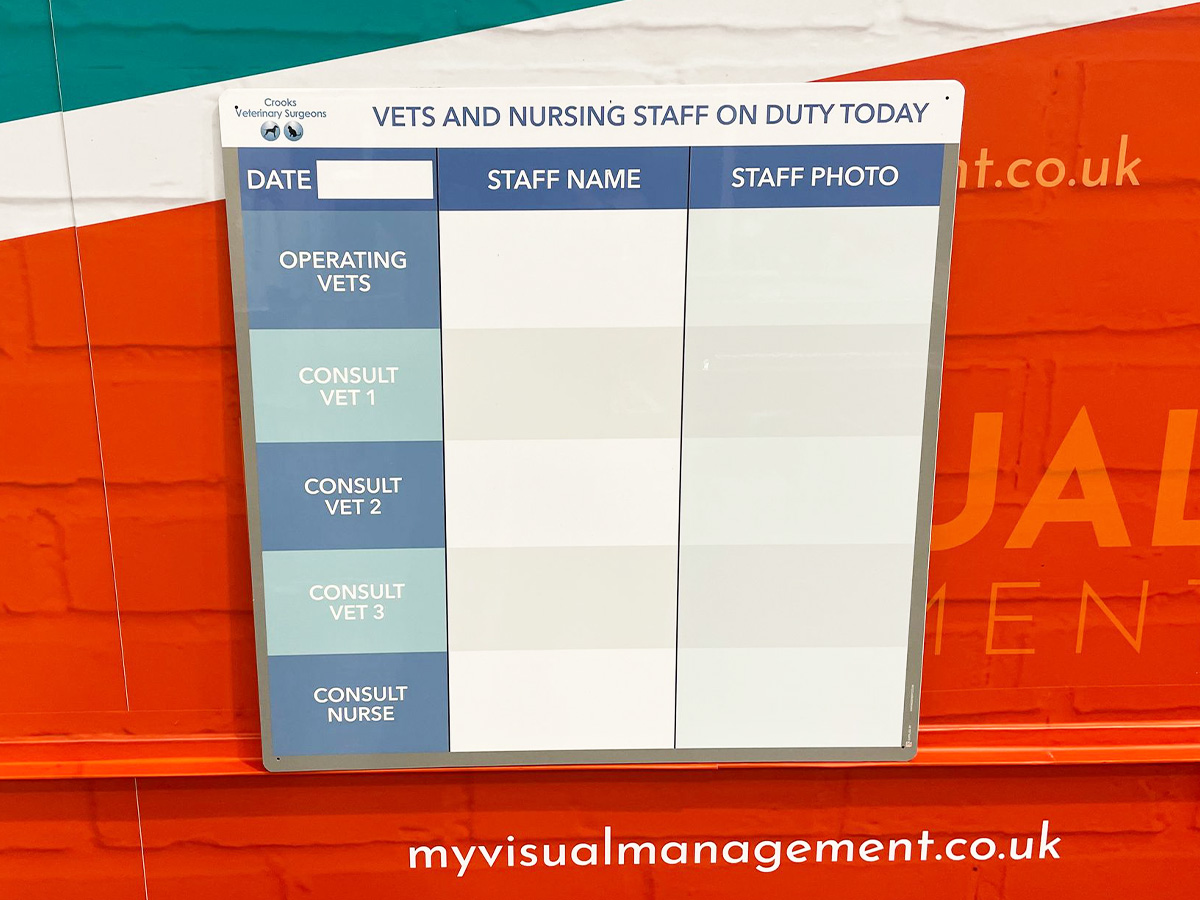
Staffing board

Show your First Aiders

Show your Fire Wardens

Team Planner

H&S team board

You Said We Did Board

Suggestions feedback board

Meet the Team board

Operations board

Nationality Champions board

White postbox for feedback

HR Compliance Board

You Said We Did board

Teams Shift Board

Encourage feedback from your team

Kaizen room meeting schedule
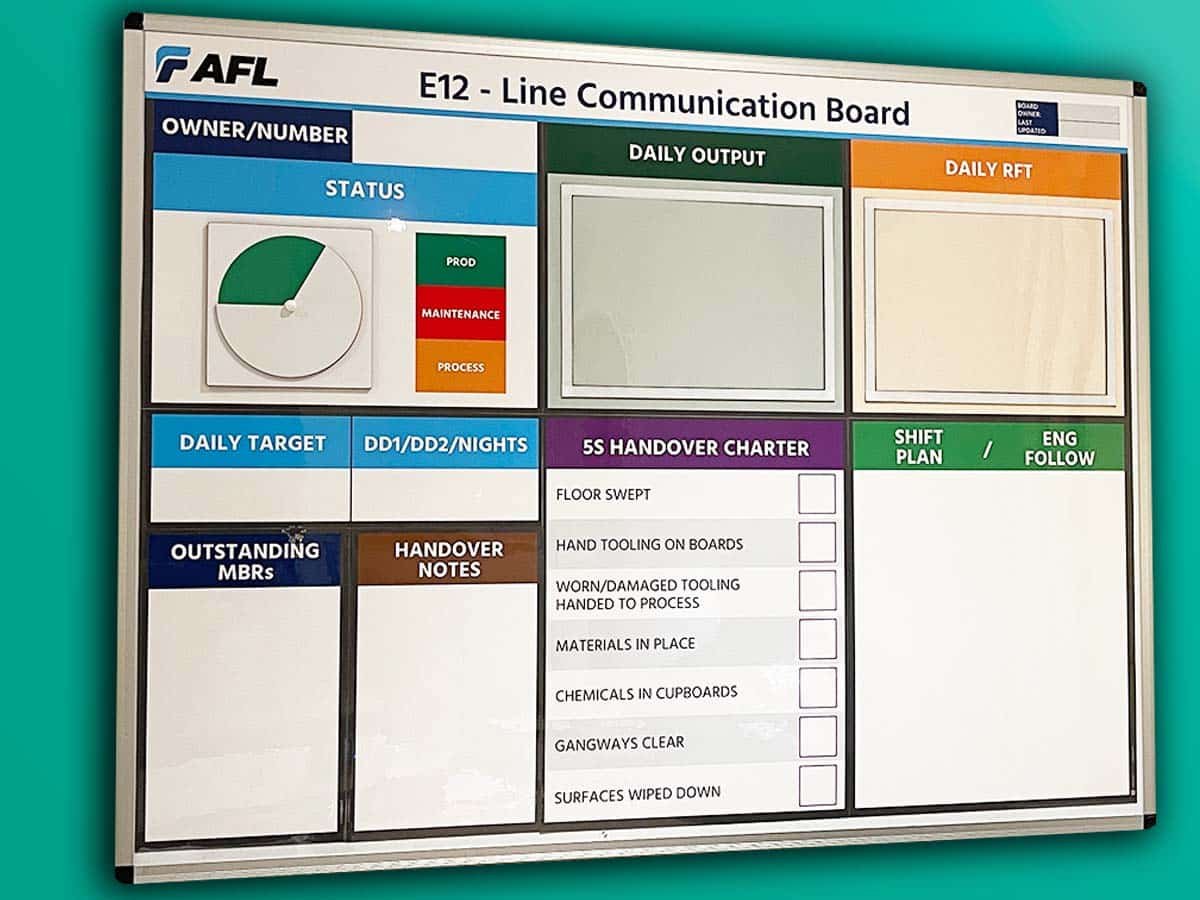
Line communications board

Values board with document holders

Team KPI Communications board

Safety board for your team

Name your First Aiders
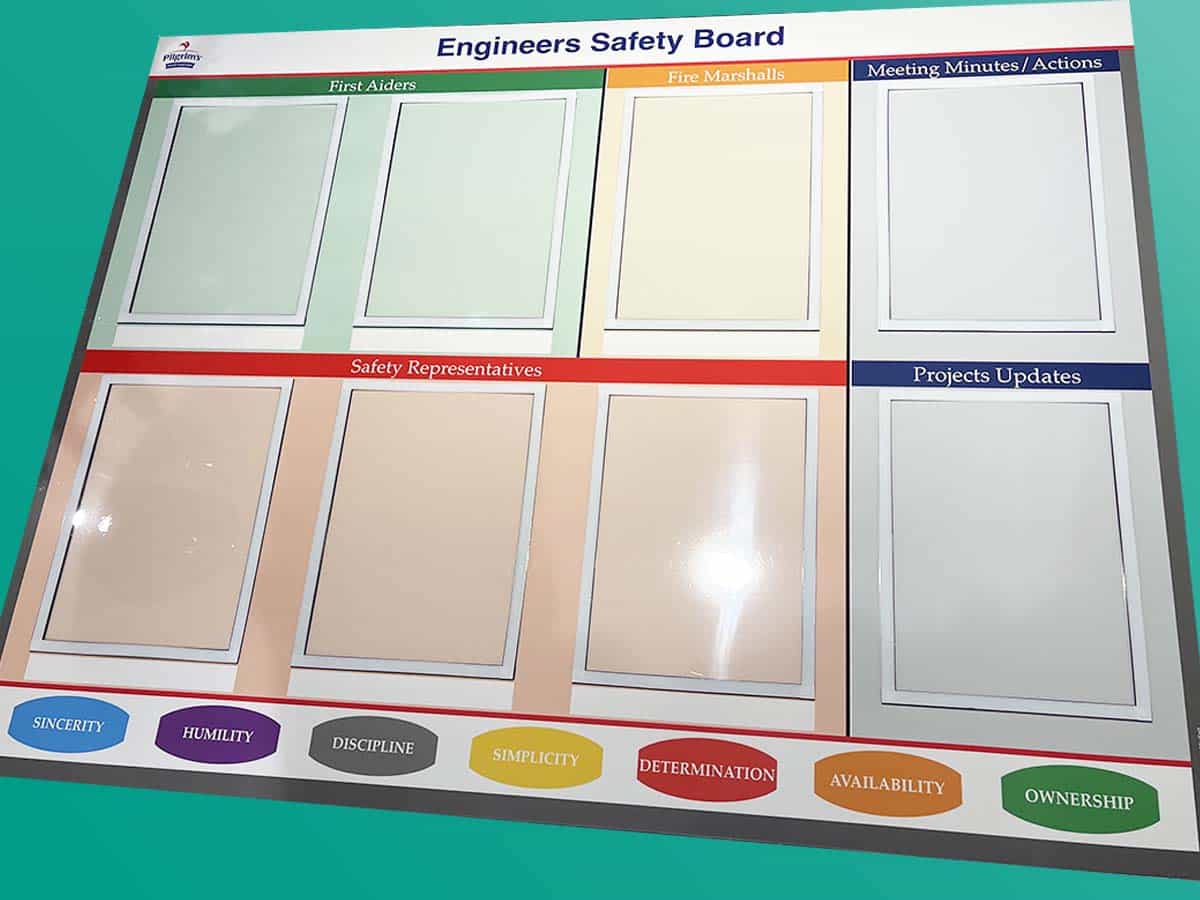
Engineers Safety board

NHS team board

Display info with document holders

Display permit information

Mental Health First Aiders board

Daily Safety Briefing board
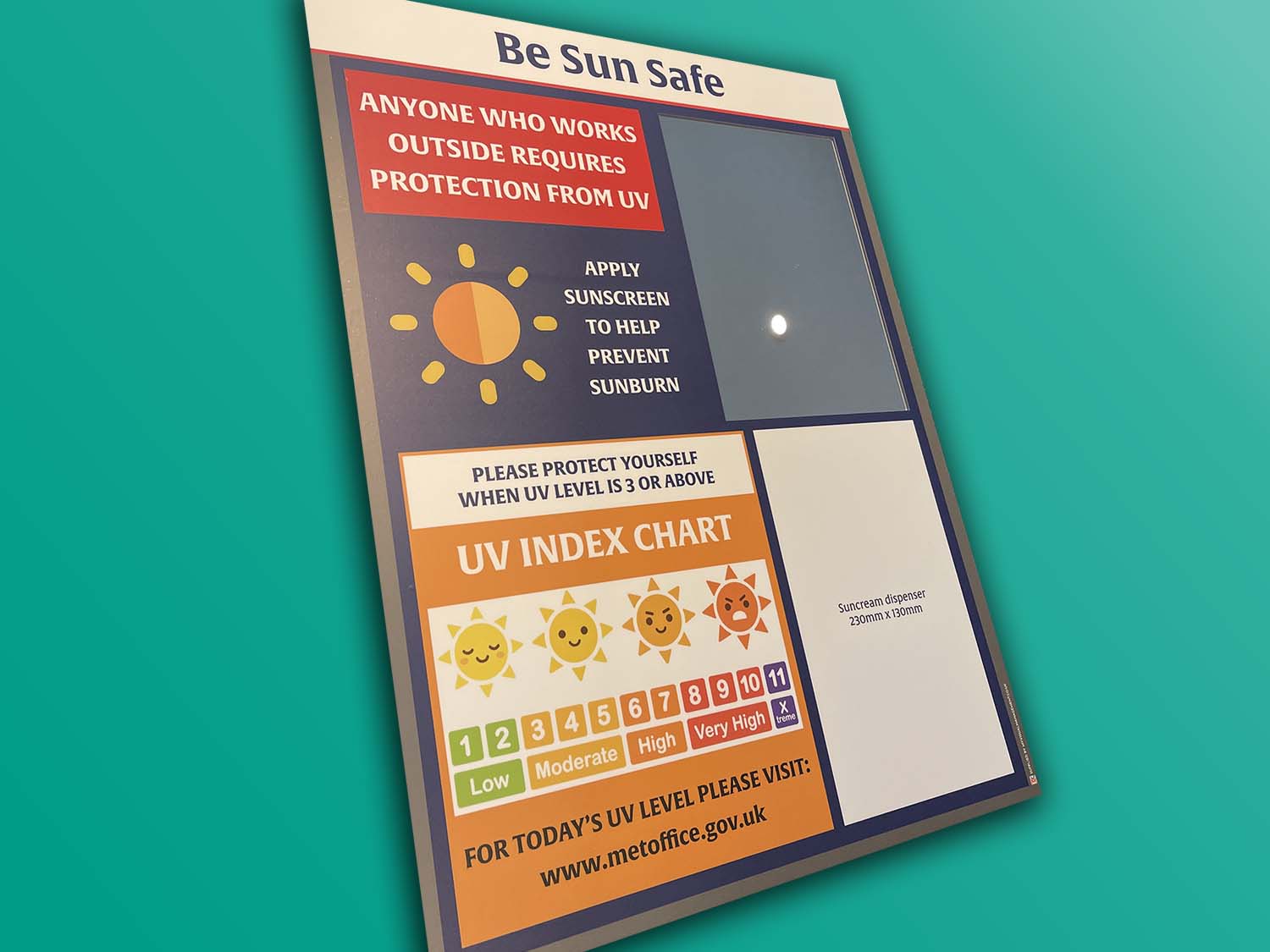
Sun Safe board

Policies and accreditations board

Single sheet document holder

Use for your department meetings

Add a postbox to a suggestions board
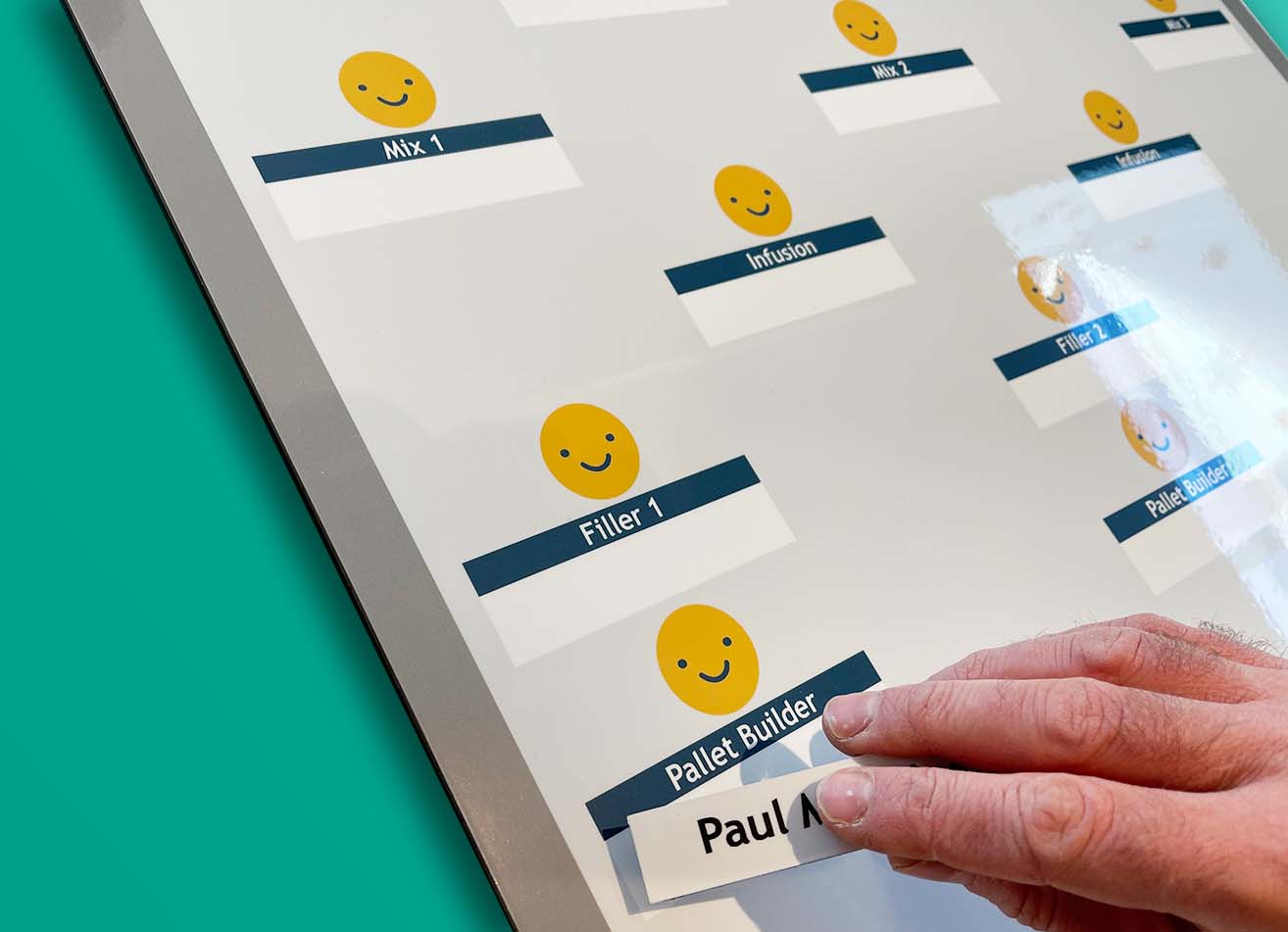
Use magnetic labels for your team

Suggestions board in four languages

Look after your staff

Display shift pattern information

Team management board

Use forms with a suggestions board

Contractor management board

Daily shift information displayed visually
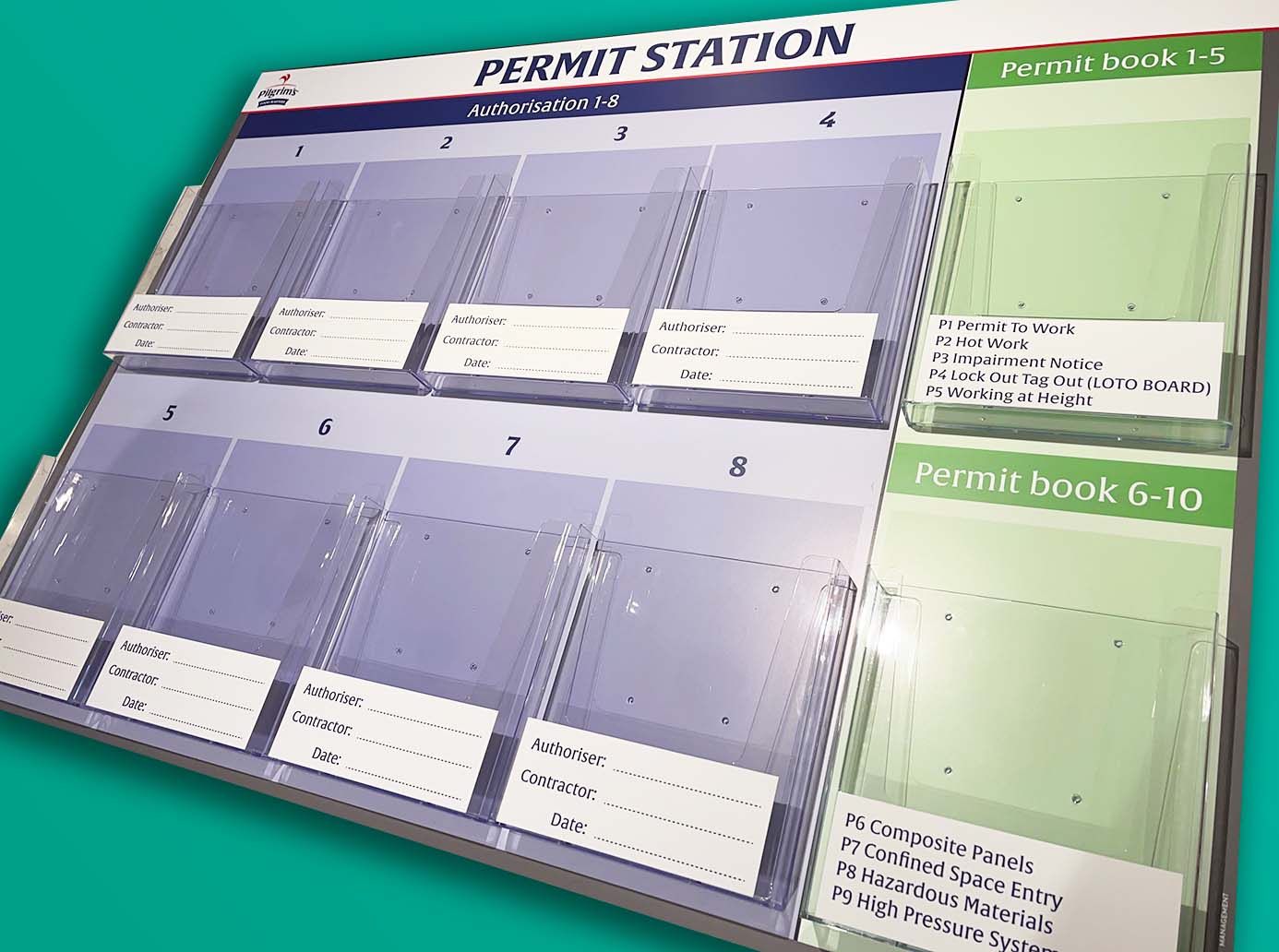
Multiple sheet document holders

Store multiple tickets safely
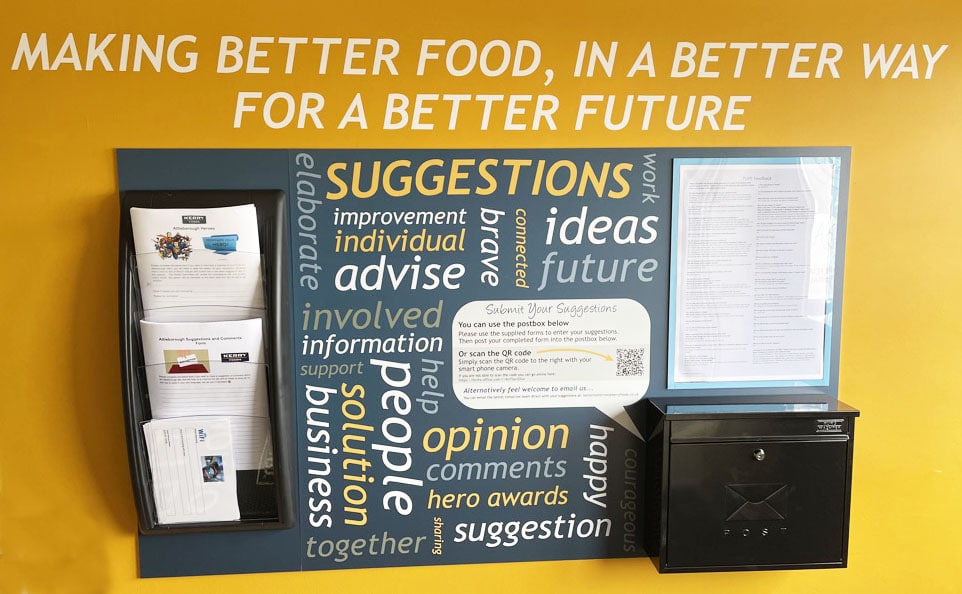
Suggestions board for your team

Use colour coding to manage your team

Project Planner Board

Manage shifts with a monthly planner

Lockable display cabinet

Custom noticeboards

Magnetic headings

Evening shift team management board

Magnetic numbers

Customised team management board

Holiday planner board


Our Approach
We create visual management boards everyday. As a result we have plenty of experience. We work for organisations in food production, the power industry, national rail, pharmaceuticals, education, healthcare, packaging and distribution.
Our team works with a simple idea or sketch and creates a professionally designed layout. This is then turned into a highly functional visual management board.
We offer customised options because we want to create the perfect board for you. So, here are a few examples. We can add magnetic areas or a dry-wipe finish (for use with whiteboard pens). Furthermore, you can choose Red/Green sliders or R.A.G. (Red, Amber, Green) status dials so you can quickly and visually update your board. These are just a few examples of the ways in which our boards can be tailored to meet your needs. You may also be interested in whiteboard overlays that can be used on top of an existing magnetic board.