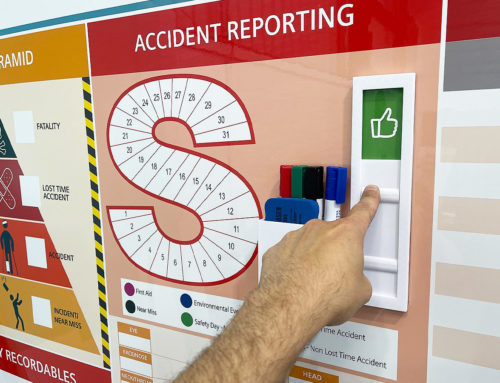


For many teams, Lockout Tagout (LOTO) isn’t the problem—demonstrating compliance is.
You may already have the right equipment in place: locks, tags, procedures, and trained staff. But when it comes to showing that your system is controlled, consistent, and audit-ready, things can become less clear.
And that’s where issues start to surface.
What Does “Demonstrating LOTO Compliance” Actually Mean?
LOTO compliance isn’t just about having the right tools—it’s about being able to prove control at a glance.
A compliant system should allow you to:
- Instantly see if all equipment is present
- Clearly identify ownership of locks and tags
- Spot missing or misplaced items immediately
- Show consistency across teams, shifts, or areas
- Give confidence during audits or inspections
If this isn’t easy to verify, your system may be in place—but not fully under control.
Common LOTO Compliance Gaps
Even well-intentioned systems can fall short. Here are some common issues:
1. LOTO Equipment Isn’t Visibly Controlled
Locks and tags are often stored in drawers, toolboxes, or cupboards.
While this keeps them out of the way, it also makes it difficult to:
- Verify what’s available
- Identify missing items
- Maintain consistent organisation
If you have to search for equipment, you can’t easily demonstrate control.
2. No Clear Ownership of Locks
In many workplaces, it’s unclear:
- Who is responsible for each lock
- Which locks belong to which individuals or teams
This can lead to confusion during use and makes accountability harder to demonstrate.
3. Inconsistent Setups Across Areas
Different departments often develop their own ways of storing and managing LOTO equipment.
This results in:
- Different layouts
- Different expectations
- Different levels of control
From an audit perspective, inconsistency raises questions—even if each area is “working”.
4. Lack of a Clear Visual Standard
Without a defined structure—such as labelled positions or shadowing—LOTO setups rely on memory rather than visibility.
That means:
- Items can be misplaced without being noticed
- Standards are harder to maintain
- New team members take longer to understand the system
A system that isn’t visual is harder to verify.
Why This Becomes a Problem During Audits
During an audit, the question isn’t just “do you have LOTO?”—it’s “can you demonstrate control?”
If your system relies on opening drawers, checking lists, or asking team members, it can:
- Slow down inspections
- Create uncertainty
- Highlight inconsistencies
- Undermine confidence in your process
Even if your procedures are sound, lack of visibility can make compliance harder to demonstrate.
What a Strong LOTO System Should Look Like
A well-structured LOTO system makes compliance easy to see and verify.
It should:
- Be visually clear at a glance
- Have defined positions for every item
- Show ownership and responsibility
- Be consistent across the site
- Make missing equipment immediately obvious
This isn’t about adding complexity—it’s about creating clarity.
The Role of Visual Management in LOTO
Visual management plays a key role in strengthening LOTO systems.
By structuring equipment in a clear and consistent way, it becomes much easier to demonstrate control.
For example:
- Shadowed layouts show exactly where each item belongs
- Clear labelling reinforces ownership and responsibility
- Standardised designs ensure consistency across different areas
- Centralised locations make equipment easy to access and verify
This approach reduces reliance on memory and replaces it with immediate visibility.
Are You Confident in Your Current Setup?
If you’re unsure whether your current LOTO setup clearly demonstrates compliance, it may be worth taking a closer look.
Small changes in how equipment is organised and presented can make a significant difference—not just for audits, but for day-to-day use as well.
You can explore examples of structured LOTO systems, or get in touch for a review of your current setup and practical suggestions for improvement.
Related:
- LOTO board examples
- Custom LOTO board design options
- Visual management solutions for safety and compliance
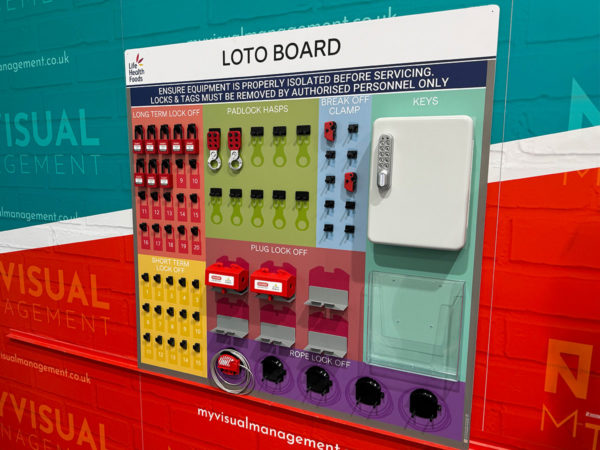
A structured LOTO board makes it easy to verify compliance at a glance
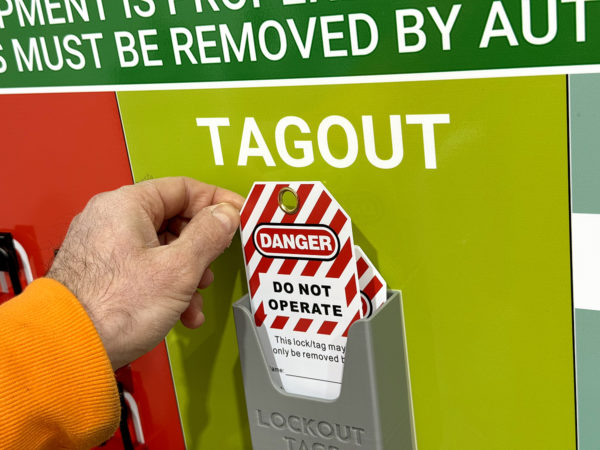
Clear positioning and labelling help demonstrate control of LOTO equipment
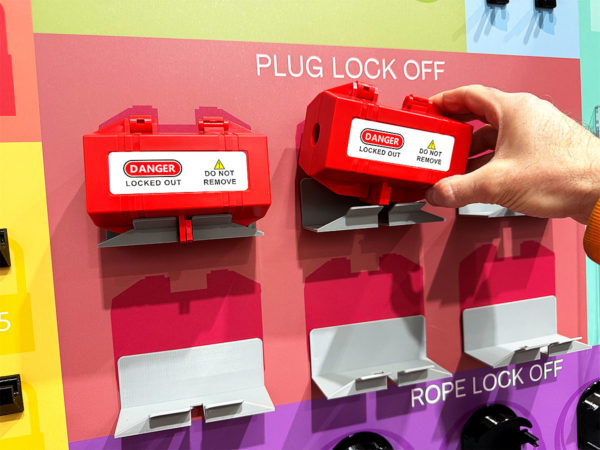
Visual LOTO systems improve accountability and reduce the risk of missing items
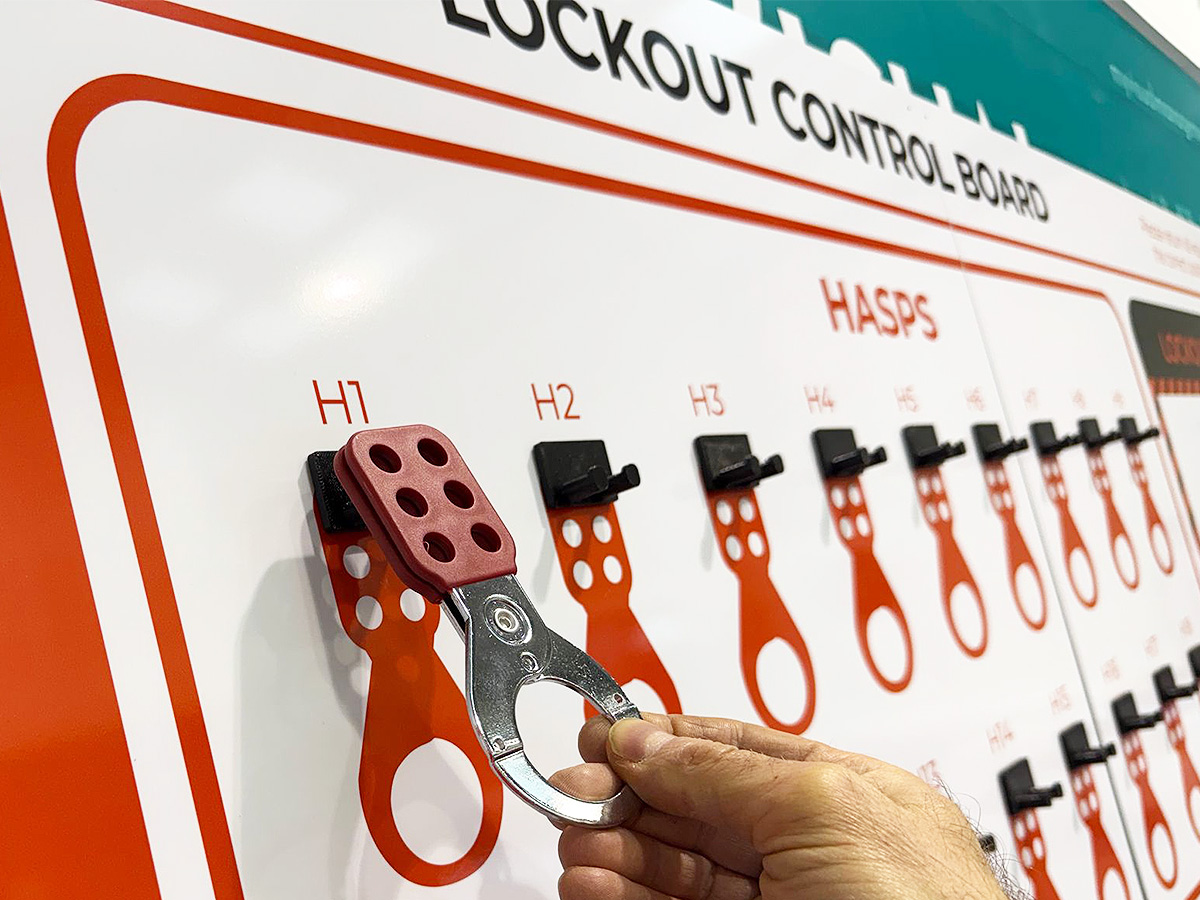
Shadowed positions make missing locks immediately visible
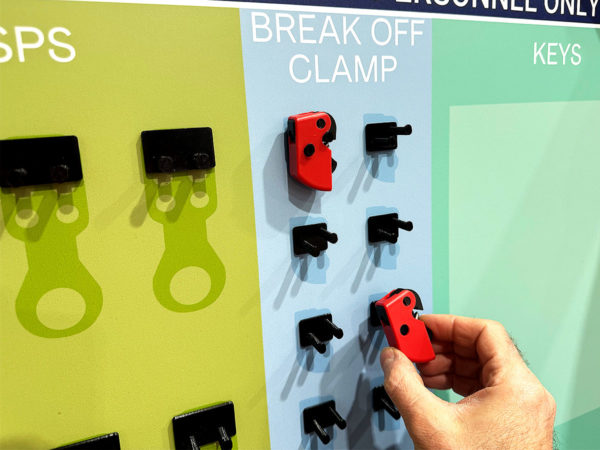
A visual layout ensures every lock and tag has a clear place.
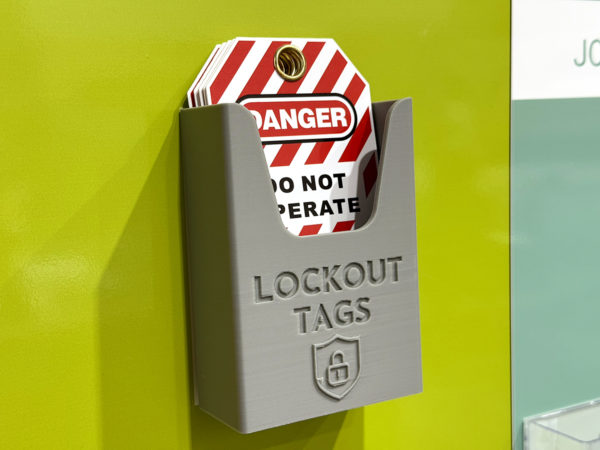
Visible and accessible equipment supports safer lockout practices.
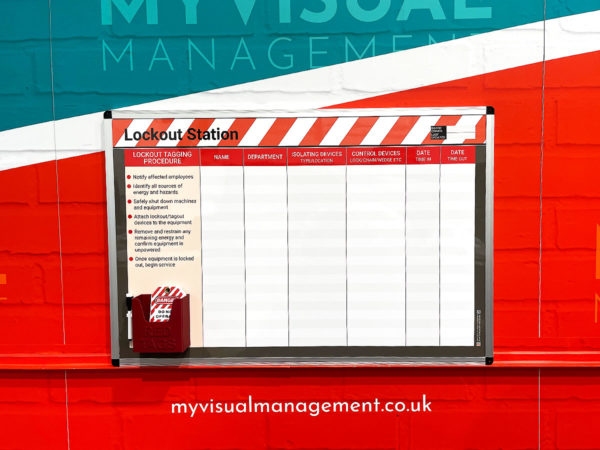
Organised lock storage helps teams follow LOTO procedures consistently.
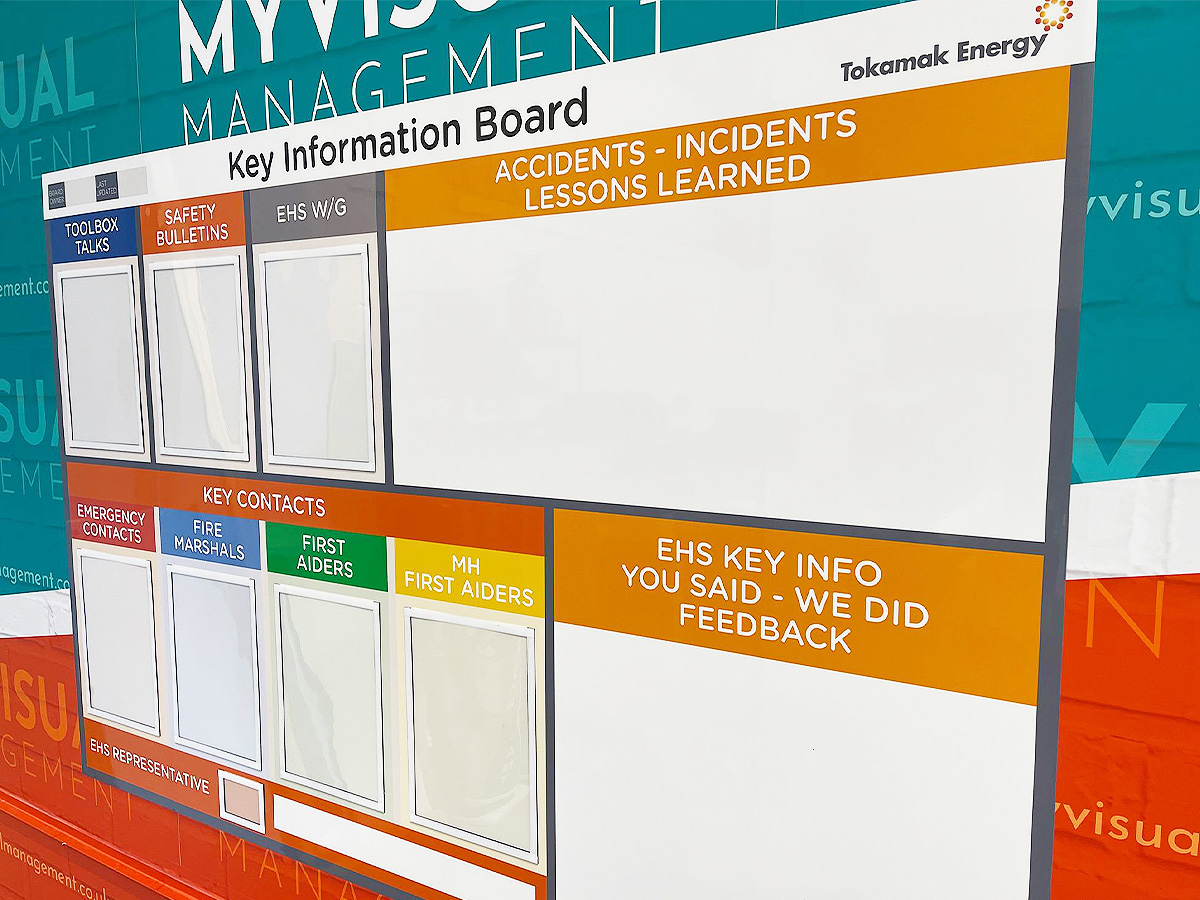


Further examples of our LOTOs Boards


LOTO Tags

Lockout Station
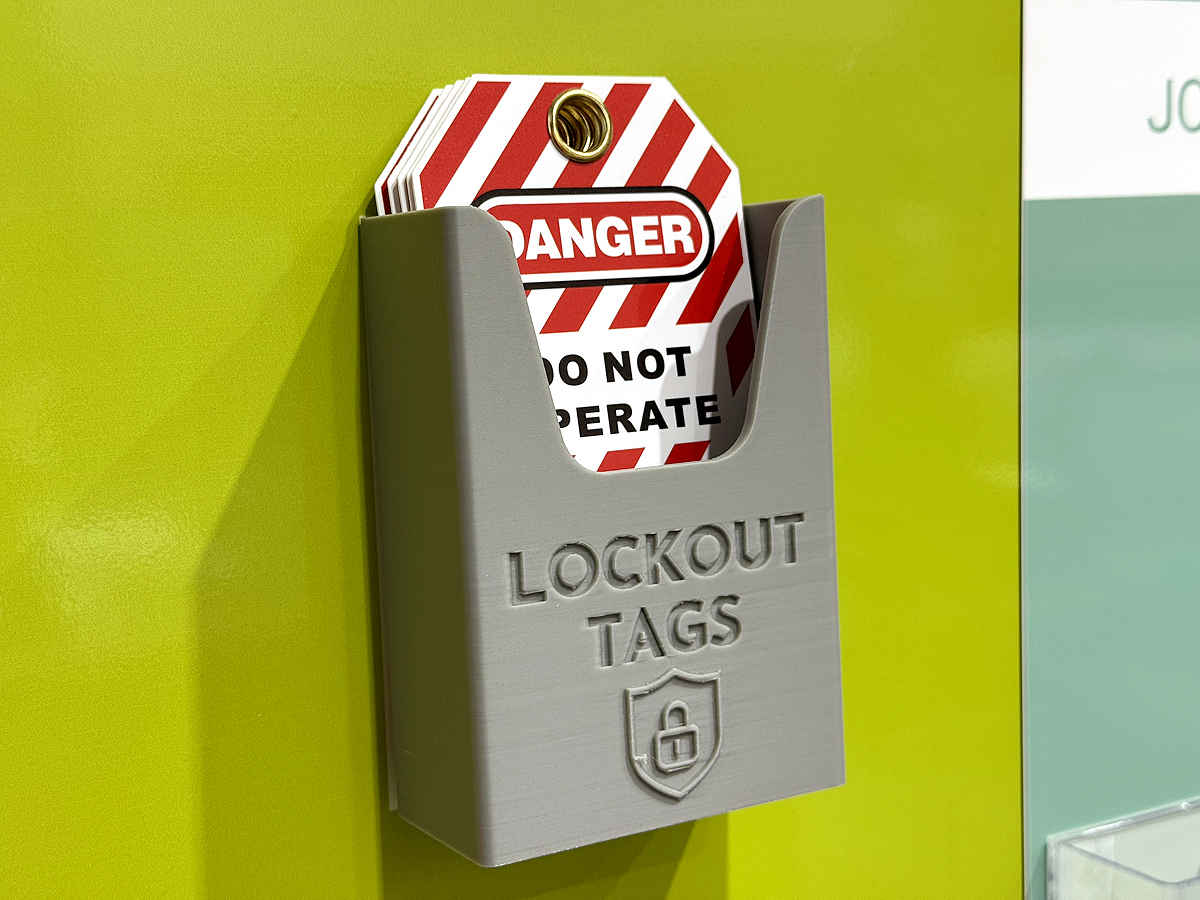
Red Tags and custom holder

Red Tags and custom holder

LOTO board accessories

Red Tags and custom holder

Lock out Tag out board

Hook
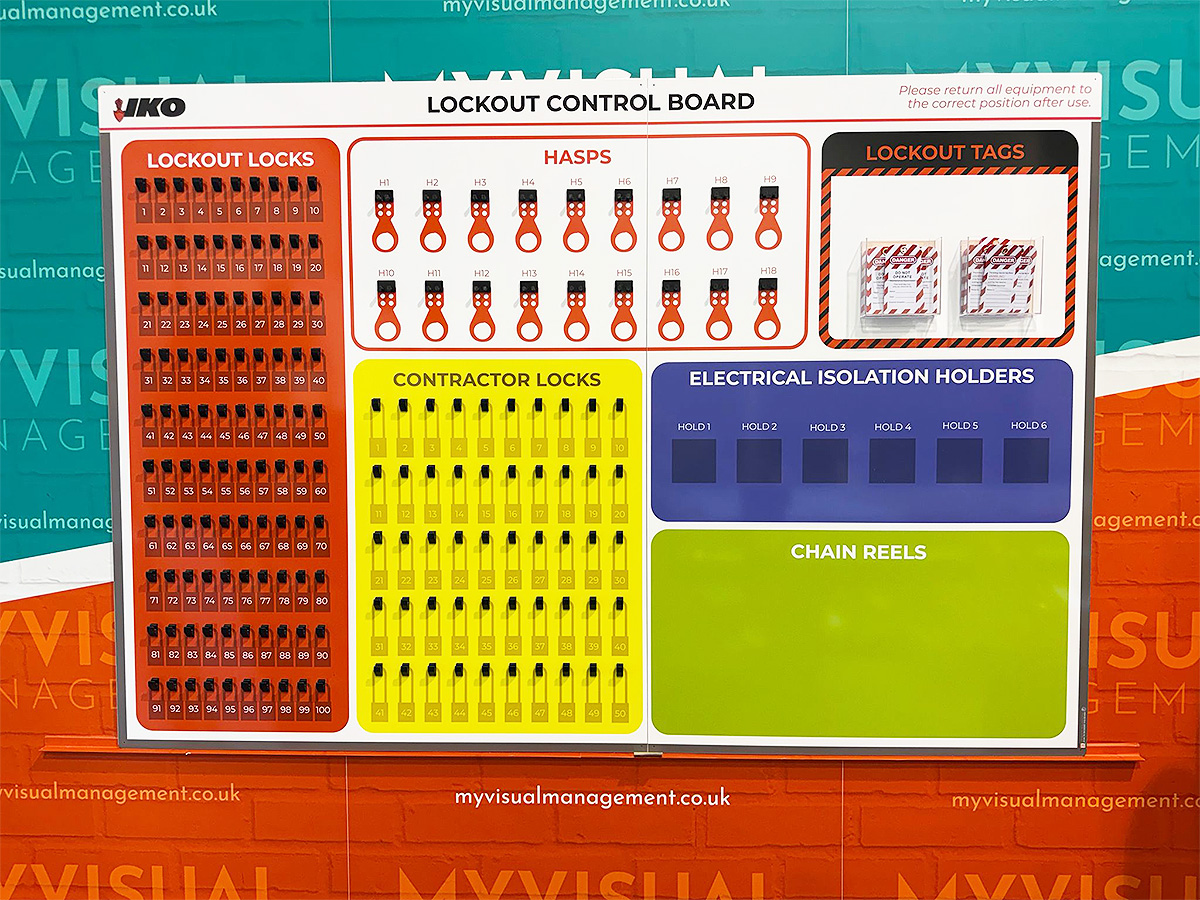
Lockout Control board
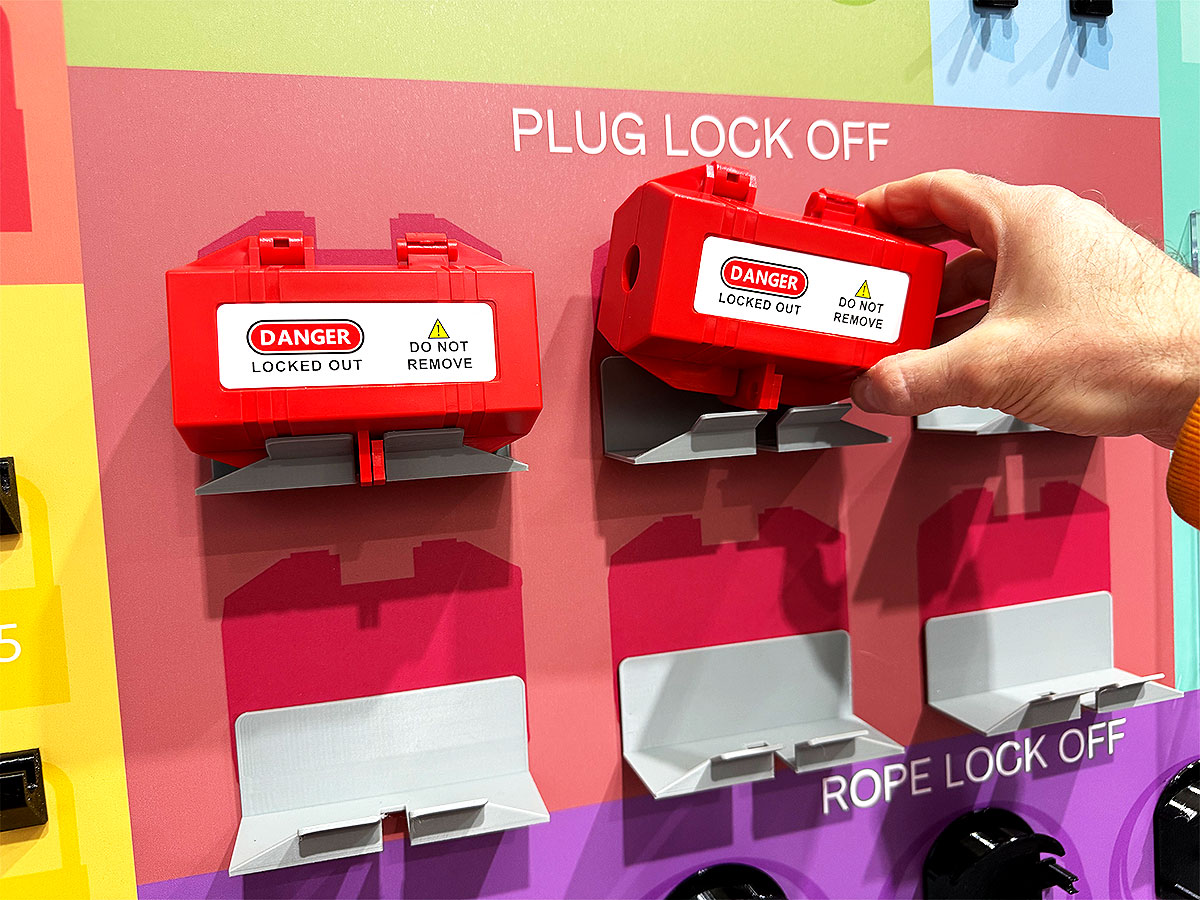
LOTO board accessories

5S board with red and green holders

LOTO board accessories

Lock Out Tag Out

Ring binder accessory
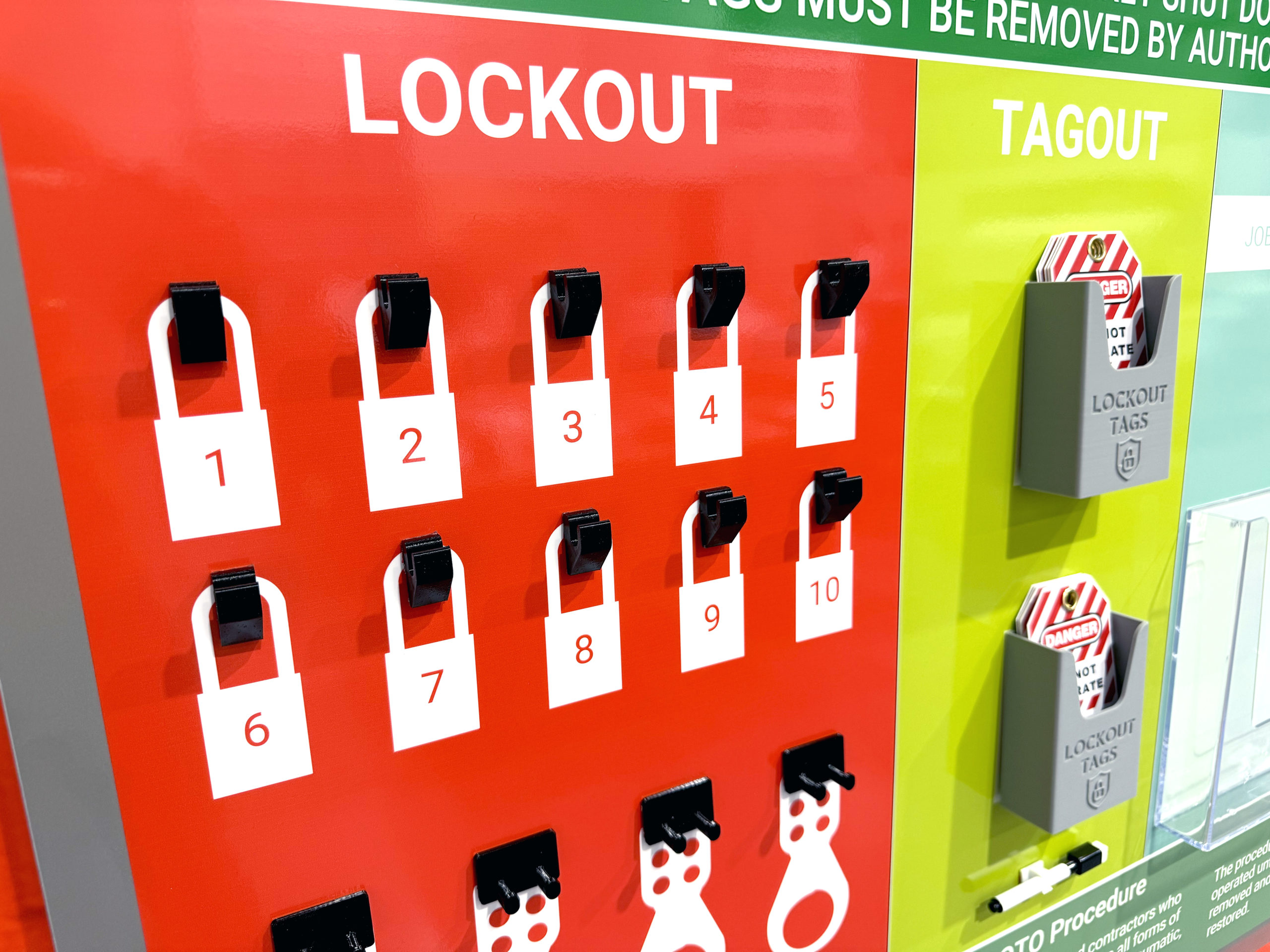
LOTO board padlock shadows
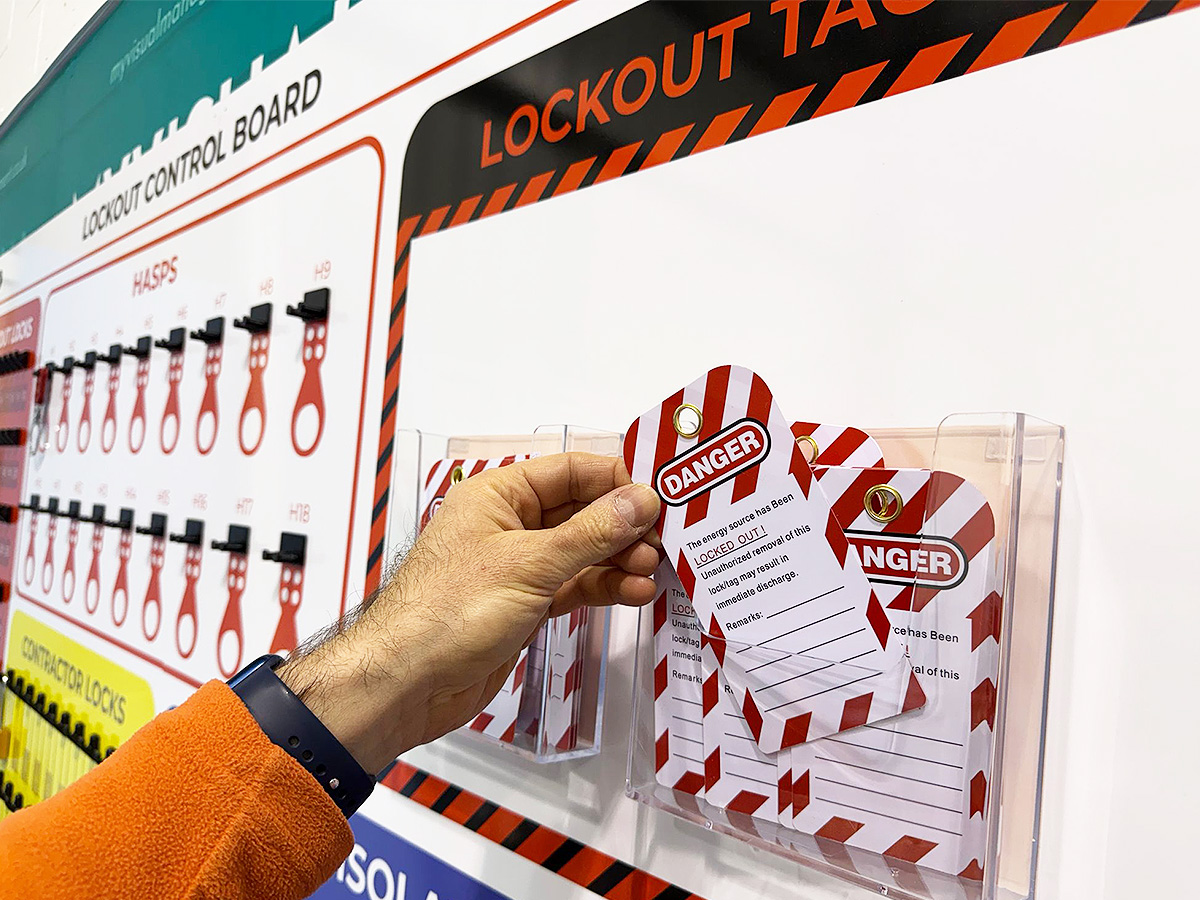
Red tags for your LOTO board

Whiteboard pen holder set

Bulldog clips keep documents safe

Ring binder

Stainless steel document holders

Tag holder for 5S
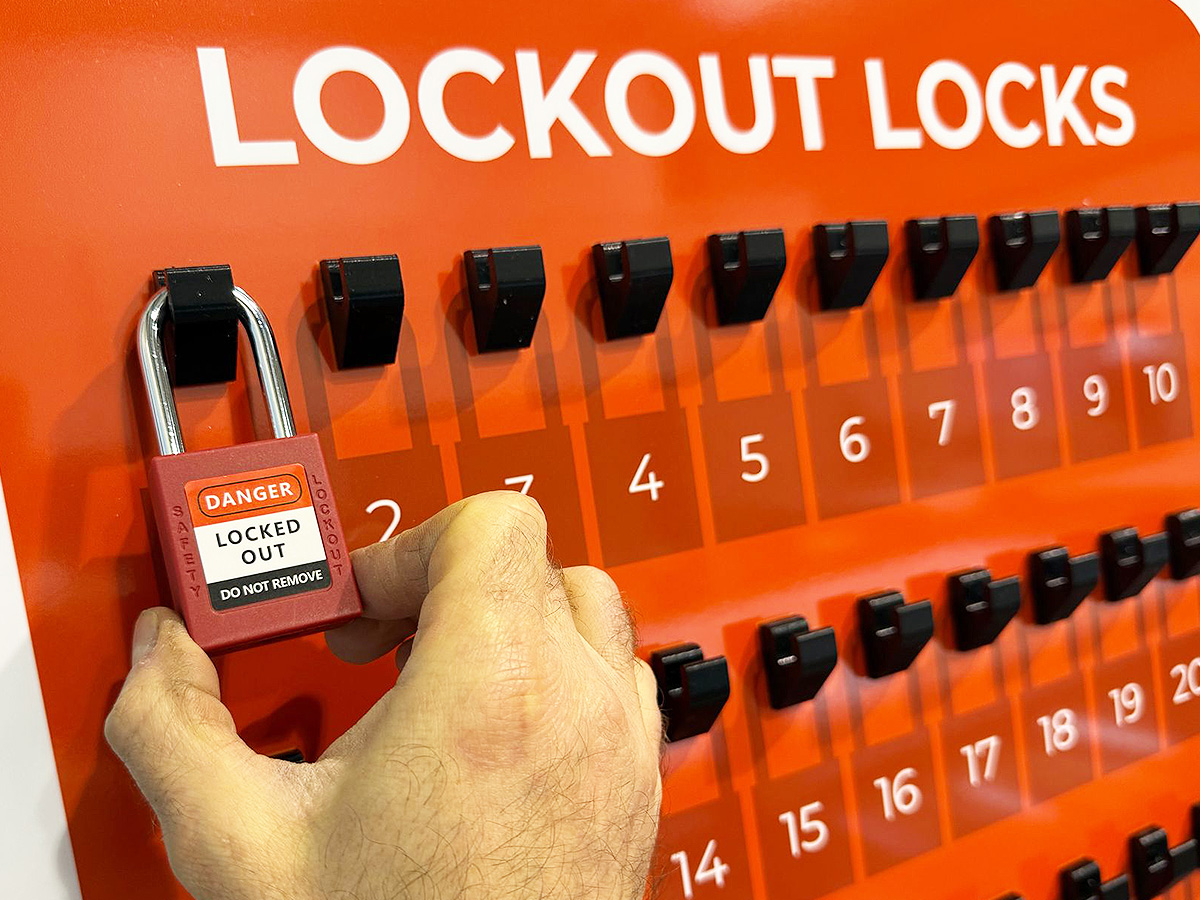
Add numbered padlocks

Multi-sheet document holders

Dry wipe pen and clip
LOTO hasps with shadows

Stainless steel clips for your LOTO board

Include your brand colours

Add self-locating document holders


Our Approach
We create visual management boards everyday. As a result we have plenty of experience. We work for organisations in food production, the power industry, national rail, pharmaceuticals, education, healthcare, packaging and distribution.
Our team works with a simple idea or sketch and creates a professionally designed layout. This is then turned into a highly functional visual management board.
We offer customised options because we want to create the perfect board for you. So, here are a few examples. We can add magnetic areas or a dry-wipe finish (for use with whiteboard pens). Furthermore, you can choose Red/Green sliders or R.A.G. (Red, Amber, Green) status dials so you can quickly and visually update your board. These are just a few examples of the ways in which our boards can be tailored to meet your needs. You may also be interested in whiteboard overlays that can be used on top of an existing magnetic board.