

Each year (on April 28), World Day for Safety and Health at Work highlights the importance of protecting people at work.
Across many industries, there’s been a clear shift — safety is no longer treated as a compliance exercise, but as a core part of daily operations. Teams are more engaged, processes are more structured, and expectations are clearer than ever before.
That’s a positive change.
But as safety continues to evolve, the challenge is no longer awareness — it’s consistency.
Making sure that safety processes are not only defined, but visible, understood and followed every day.
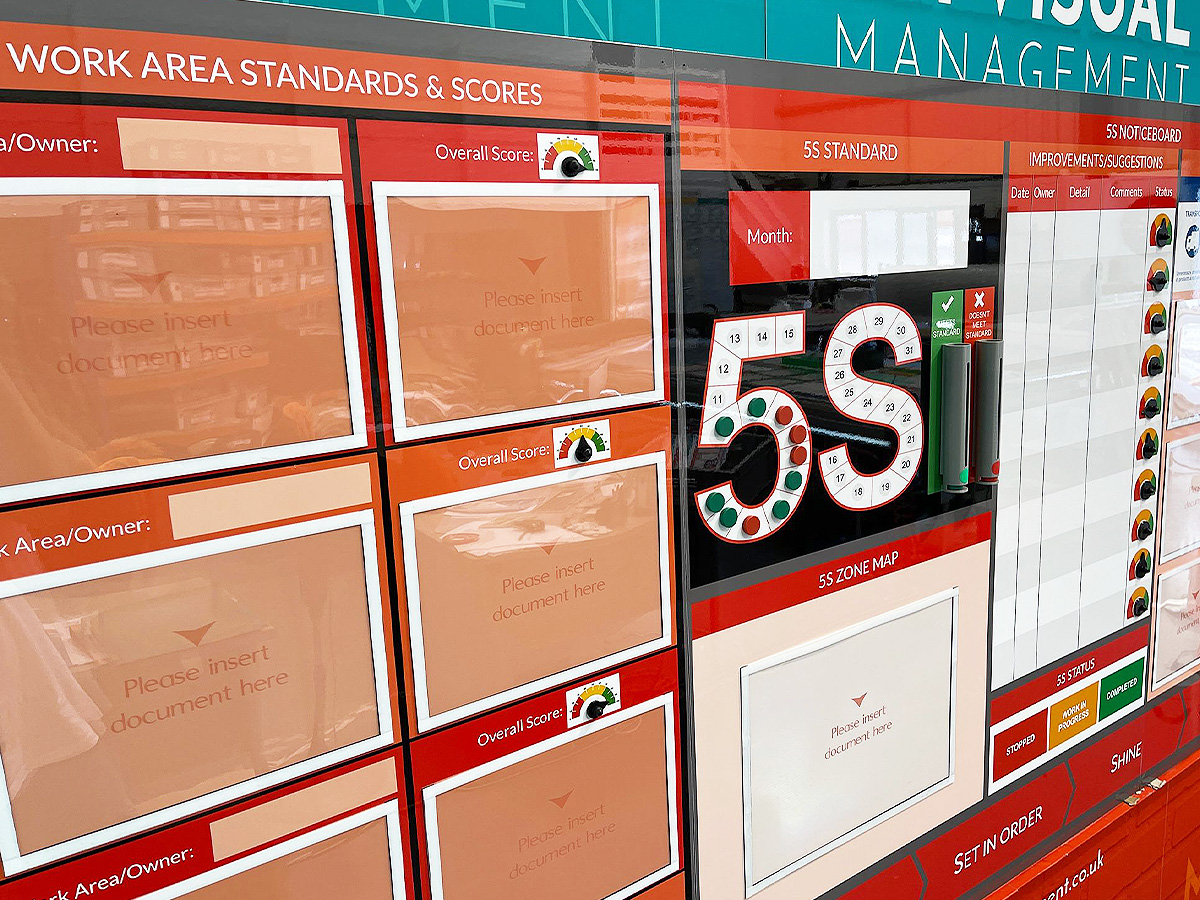
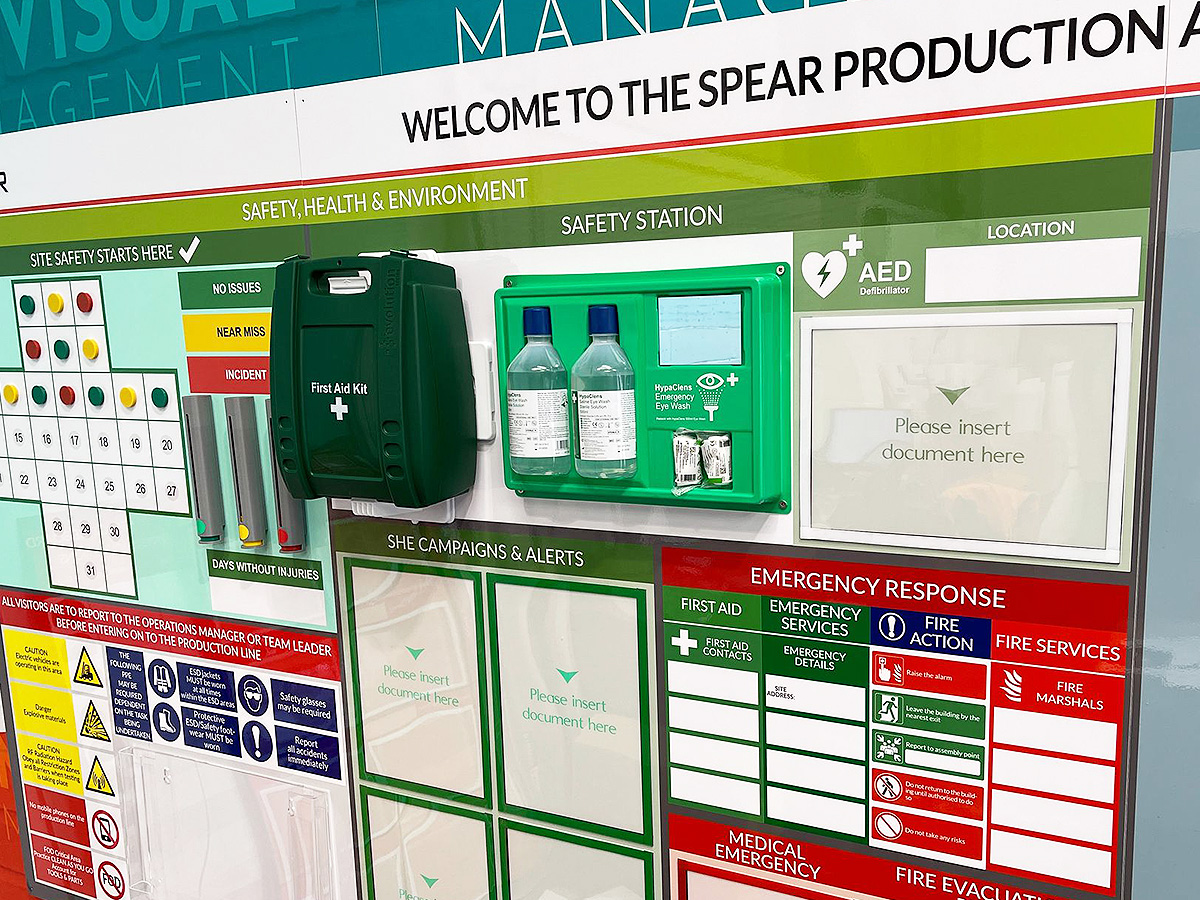
In many operational environments, visual systems take the form of physical boards, wall-mounted controls and structured displays that make safety processes visible and consistent.
Why Visibility Matters in Safety
In busy operational environments, work moves quickly. Priorities shift, teams change, and multiple activities happen at once.
Even with strong procedures in place, safety can become harder to manage if it isn’t clearly visible.
Visual safety systems help bridge that gap by making key information accessible at a glance:
- Who is responsible
- What is happening
- What is safe or unsafe
- What needs attention
Safety visual management reduces reliance on memory or verbal communication and helps teams stay aligned throughout the day.
Where Visual Systems Support Safer Workplaces
Lockout / Isolation Control
Cleanliness and hygiene are essential to safe working environments, particularly in regulated industries.
Visual lockout systems play a critical role in preventing access to hazardous energy.
When managed visually:
- Isolation points are clearly controlled
- Responsibility is defined
- Missing equipment or actions are immediately visible
This helps ensure that procedures are followed consistently, not just understood.
Cleaning & Hygiene Control
Cleanliness and hygiene are essential to safe working environments, particularly in regulated industries.
- Define where tools belong
- Highlight when something is missing
- Reinforce standards through layout and structure
They make expectations clear without needing constant supervision.
Safety KPI & Status Visibility
Visual KPI boards can display:
- Incidents and near misses
- Audit status
- Compliance checks
- Key safety metrics
This encourages regular discussion and keeps safety front of mind.
Contractor & Permit Control
Visual control systems help by:
- Showing who is on site
- Clarifying authorised work
- Highlighting active risks
This improves coordination and reduces uncertainty across teams.
Supporting Consistency in Everyday Safety
Safety systems are most effective when they are:
- Easy to understand
- Simple to follow
- Consistent across teams
Visual management supports safety by turning processes into something teams can see and interact with — not just documents to refer to.
It helps make safe working practices part of the environment, not separate from it.
Supporting a Healthier Working Environment
This year’s World Day for Safety and Health at Work also highlights the importance of creating a healthy psychosocial working environment.
While this often focuses on factors such as workload, communication and organisational culture, clarity in day-to-day operations also plays an important role.
When processes are unclear or inconsistent, it can lead to:
- uncertainty around responsibilities
- reliance on memory or verbal instruction
- increased pressure on individuals
Visual systems help reduce this by making expectations and status visible.
They provide structure, support consistency, and help teams understand what is happening and what is required — without needing to interpret or chase information.
In this way, visual management doesn’t replace broader wellbeing initiatives, but it can support a more stable and manageable working environment.
Supporting Readiness and Control in Critical Areas
In many workplaces, certain safety processes carry greater urgency — particularly where immediate response or strict controls are required.
First aid provision and food safety are good examples of this.
In these areas, it’s not just about having procedures in place, but ensuring they are easy to follow and consistently applied when needed.
When systems are unclear or poorly organised, it can lead to:
- delays in accessing essential equipment
- uncertainty around correct procedures
- increased reliance on individuals remembering what to do
Visual systems help reduce this by making key information and resources easy to locate and understand.
Clearly organised first aid stations ensure equipment is accessible and ready when required, while structured food safety boards help reinforce hygiene standards and allergen controls.
By making expectations visible, these systems support faster response, reduce variation, and help maintain consistent standards across teams.
Maintaining Standards in Everyday Operations
Consistency is especially important in environments where small deviations can have significant consequences.
Whether responding to an incident or managing food safety risks, teams benefit from having clear, visible guidance that supports correct actions without hesitation.
Visual management helps embed standards into the workplace itself — making processes easier to follow, monitor and maintain over time.
It provides a practical way to support control in critical areas, helping teams work safely and confidently as part of their daily routines.
A Positive Direction for Workplace Safety
It’s encouraging to see safety continuing to develop as a priority across industries.
As organisations build on that progress, many are looking for practical ways to make systems clearer, more structured and easier to follow.
Visual systems are one way to support that – helping teams understand expectations, maintain control, and keep safety visible every day.
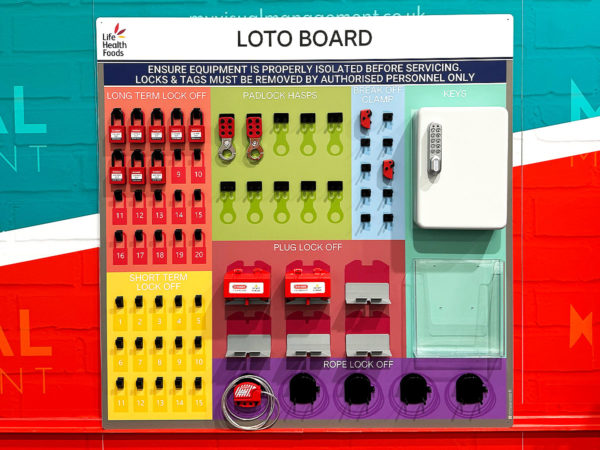
Making responsibility and status visible at a glance helps reduce reliance on memory in lockout procedures.
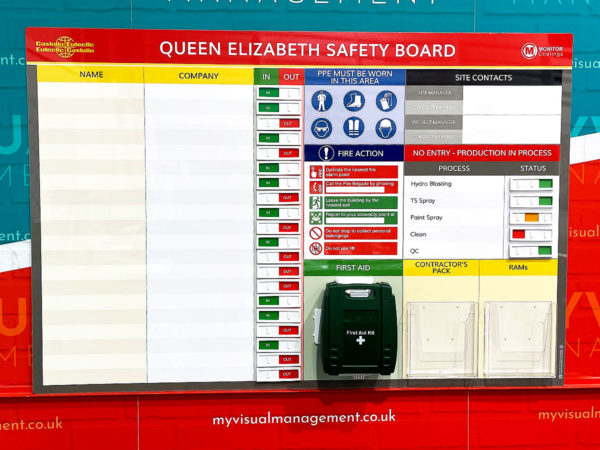
Safety KPI boards keep performance visible and support regular discussion within operational teams.
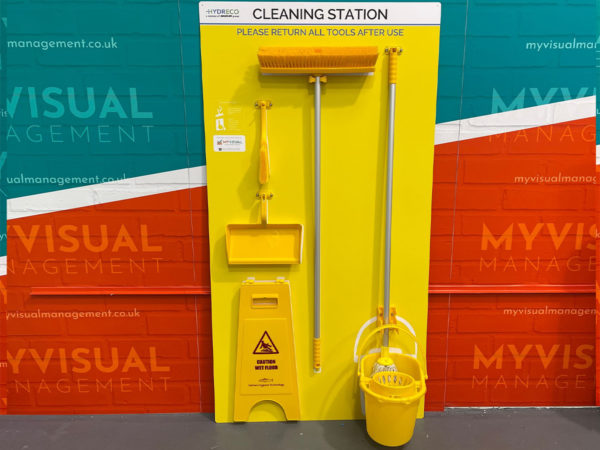
Visual cleaning stations help reinforce hygiene standards by making expectations clear and consistent.
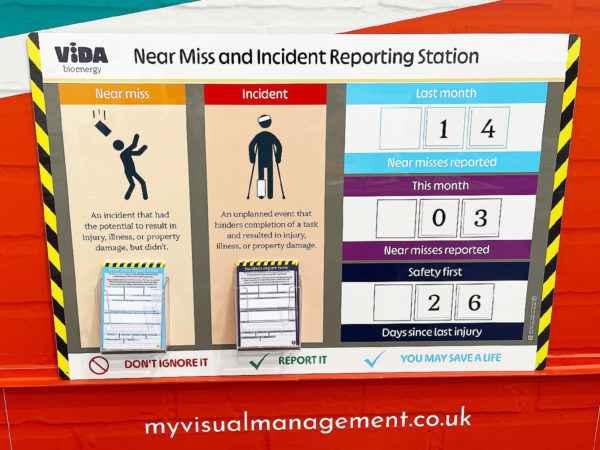
Displaying incidents, checks and compliance status helps embed safety into daily routines.
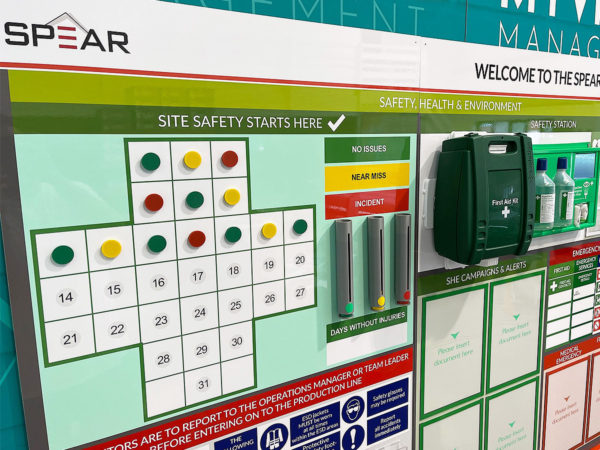
Tracking performance visually supports accountability and continuous improvement in safety processes.
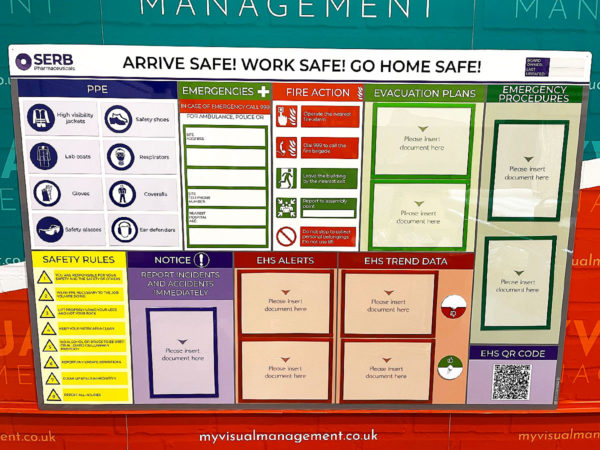
Clear, visible processes help ensure safety is consistent and followed every day.
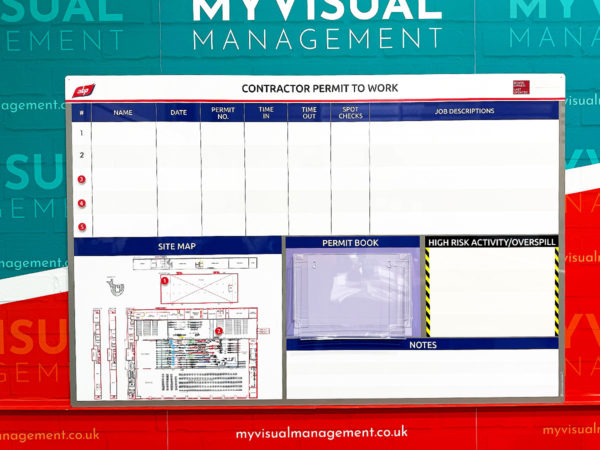
When contractor activity is clearly visible, coordination improves and risks are easier to manage.
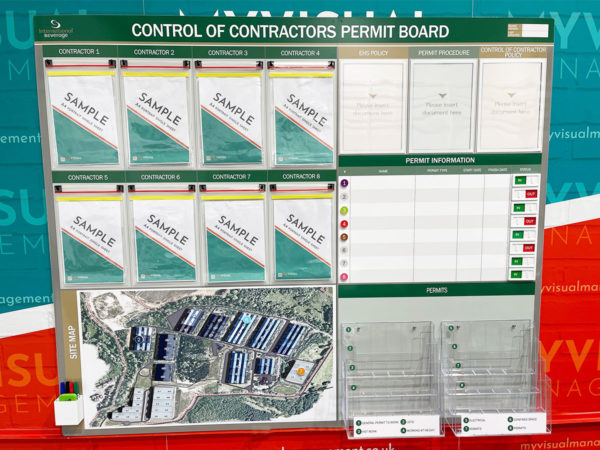
Permit boards provide a structured way to manage authorised work and associated risks.
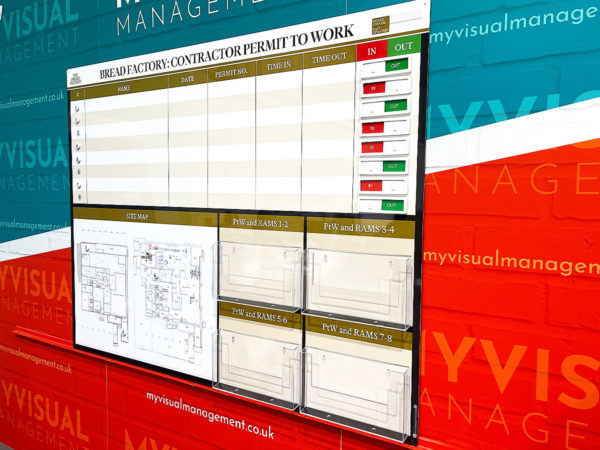
Improved visibility of contractor activity supports safer and more coordinated working environments.
A structured approach to contractor control makes site activity and responsibilities easier to understand.
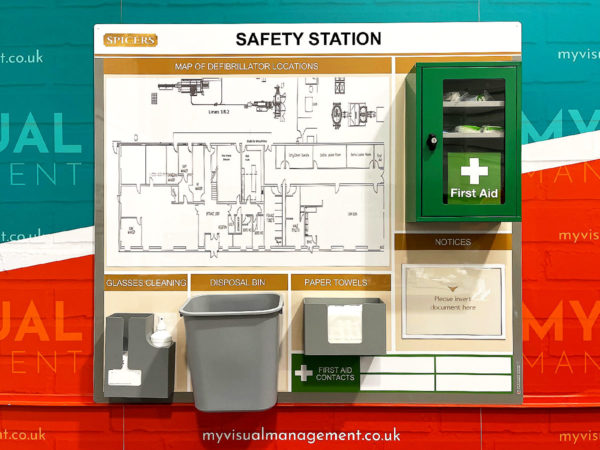
Accessible first aid equipment supports quicker, more effective response when required.
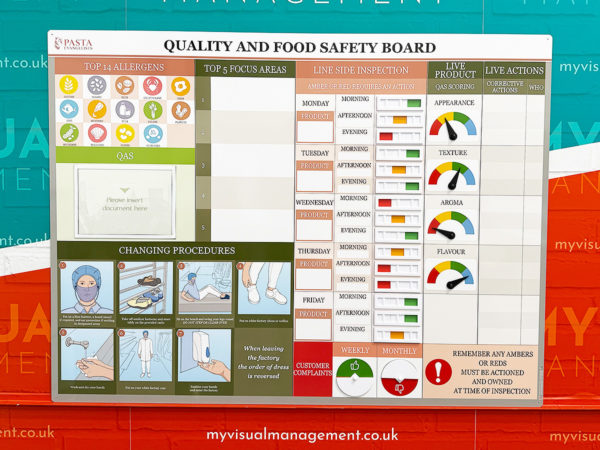
Food safety boards help teams follow hygiene and PPE requirements consistently throughout daily operations.
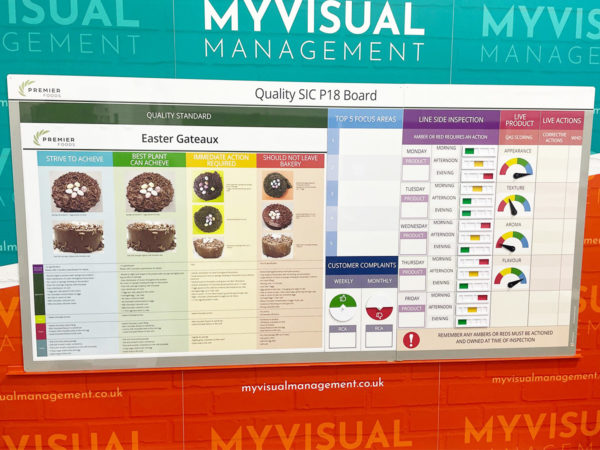
Clear quality boards support consistent standards and help teams understand what good looks like.
Further examples


First Aiders & Fire Marshals info

QHSE board

Site safety Board

EH&S communications board

First Aid Station board

Safety key info board
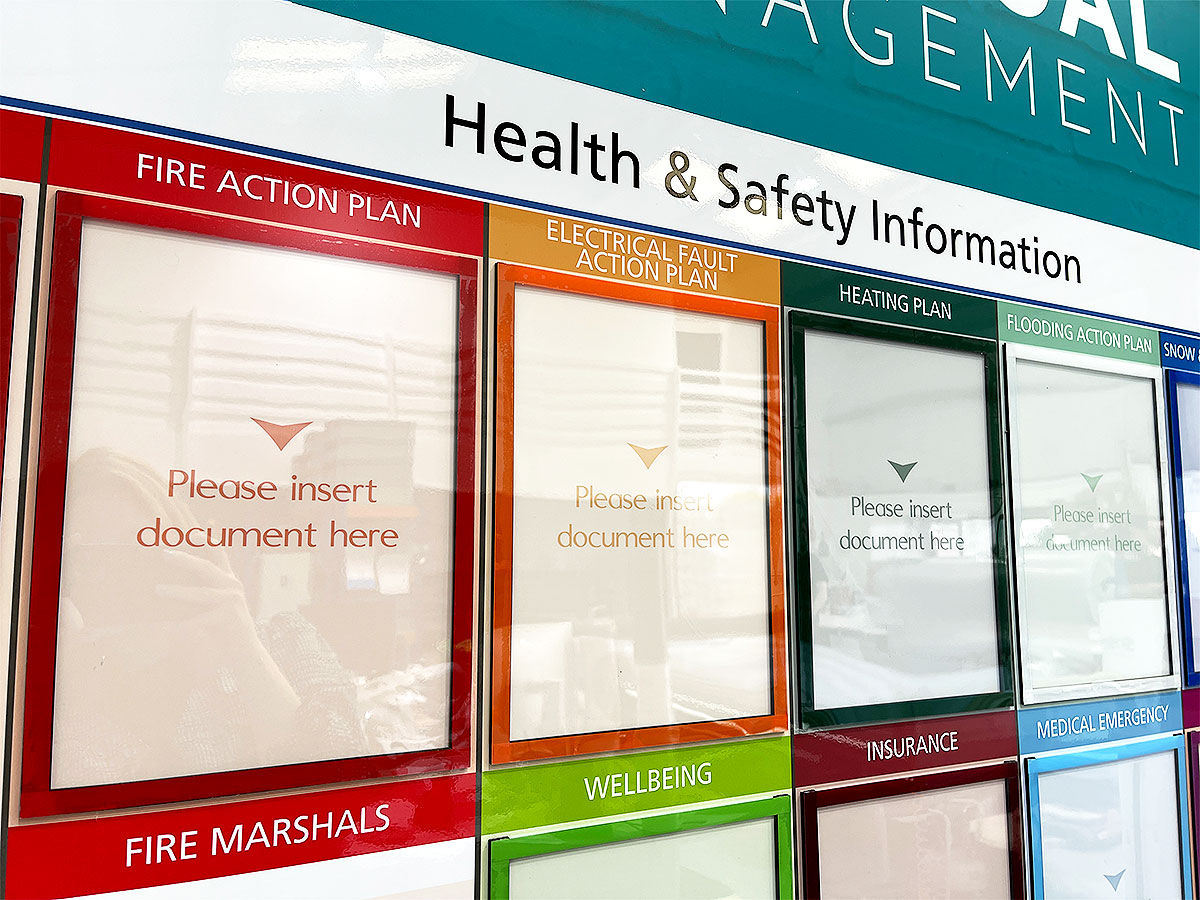
H&S Info board

Dry wipe areas

HSE Board

EH&S board
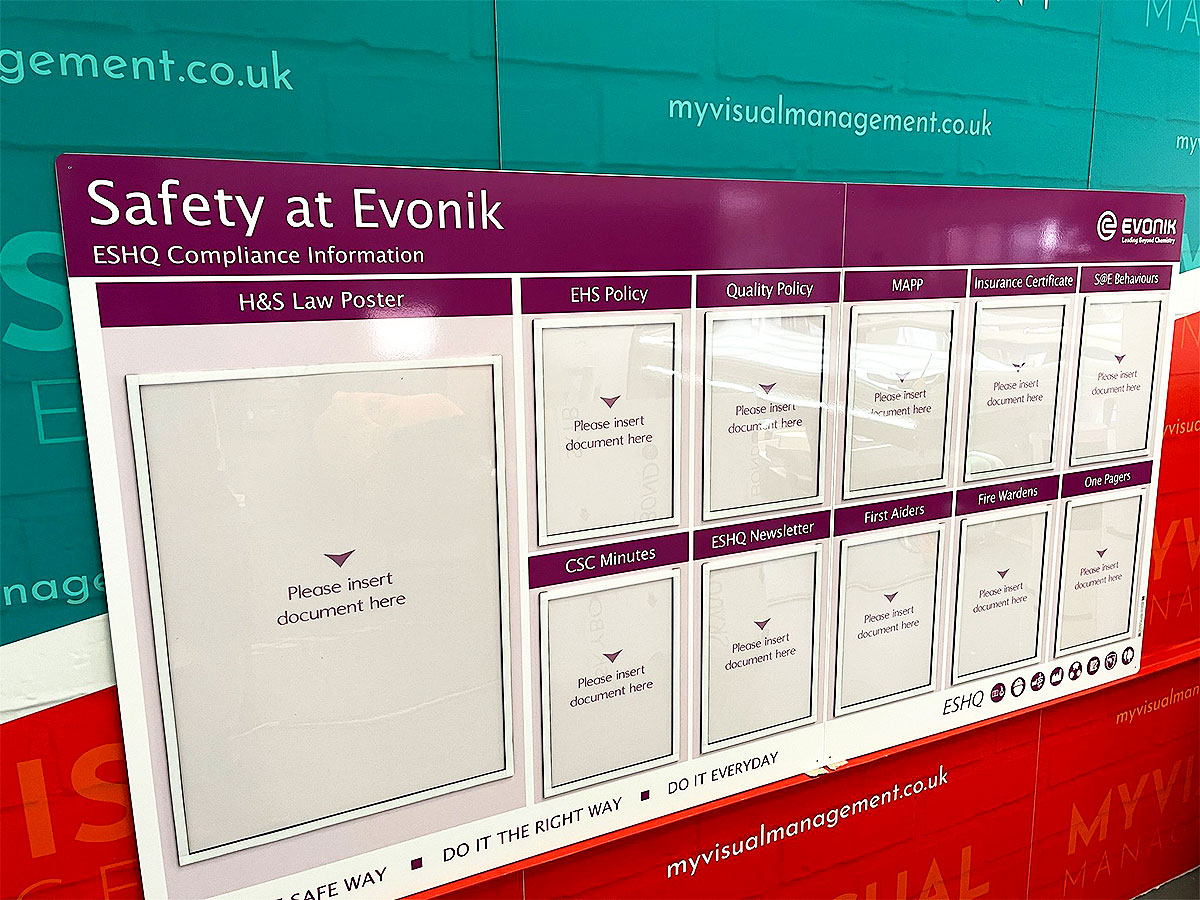
Site Safety policies board

Show your safety rules

Safety board with first aid kit

Site Communications board

PPE requirements

Safety info for employees

Site evacuation plan

Site Safety Noticeboard
Employee Info board for safety
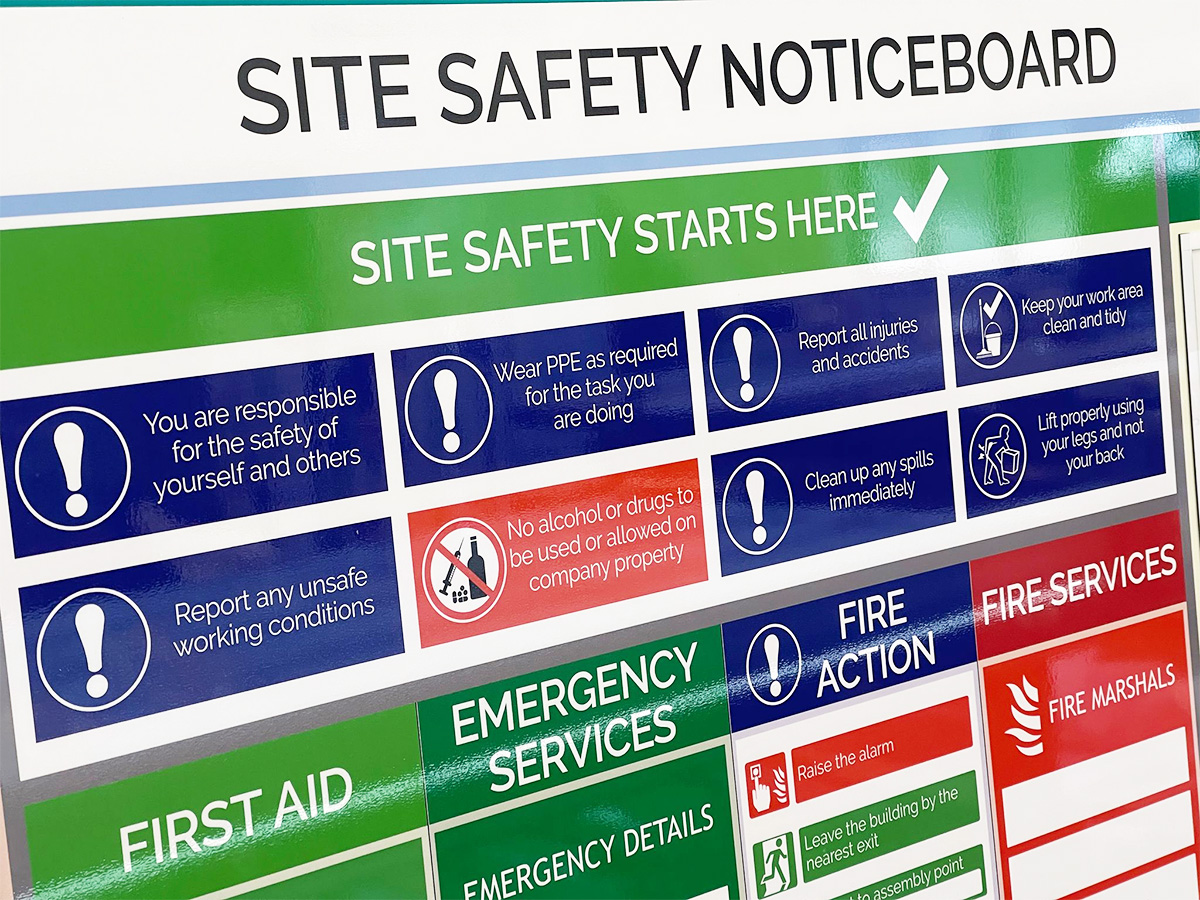
Communicate your safety rules

Show your supervisors

Show your First Aiders

Show your Fire Wardens

SHEQ board

Site Safety Noticeboard

Employee Information Board

Key Information Board

Emergency contact information

Show all your H&S information

Reporting Board

Safety Training Board

Emergency Response Team Board

amazonfresh safety board

Update names easily

Site Safety board

Fire Marshalls information

Communications Board
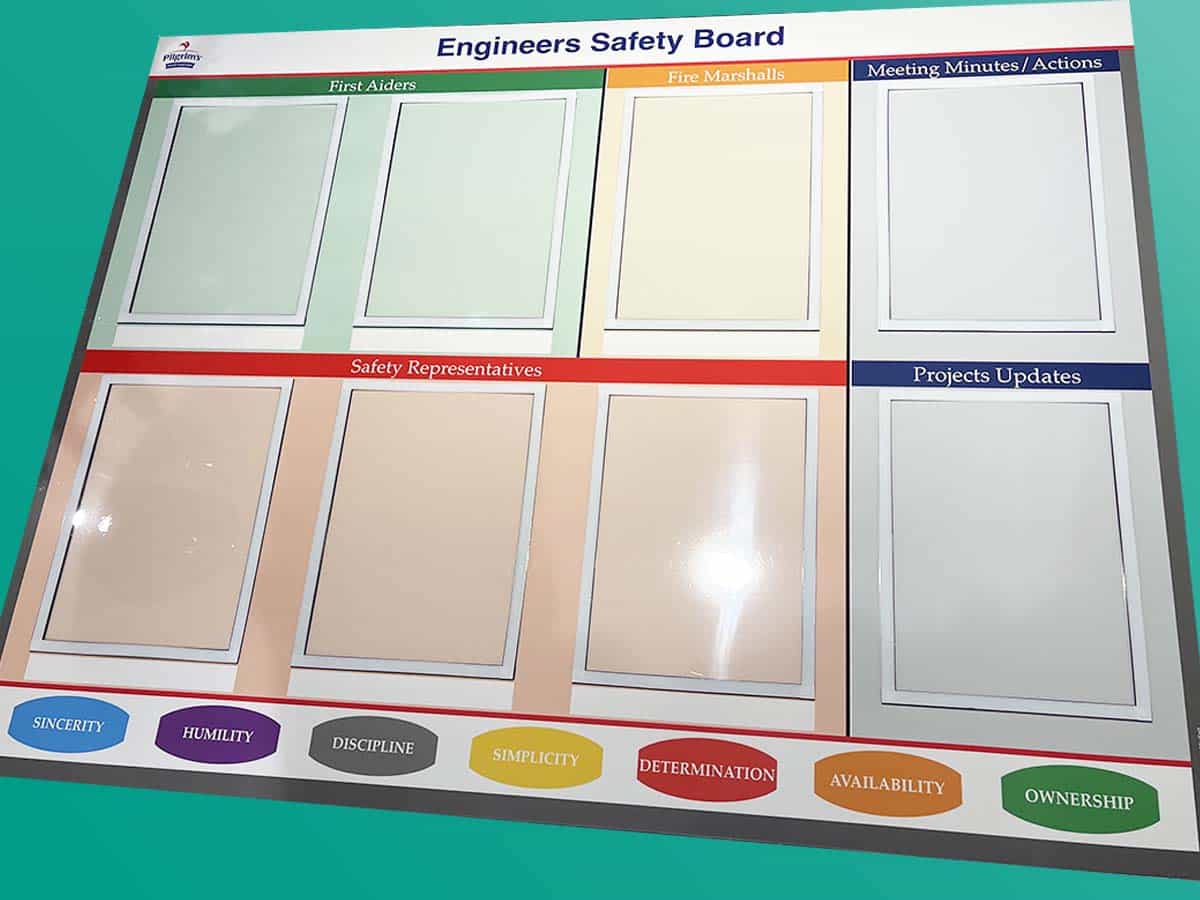
Engineers Safety board

Display your H&S policies
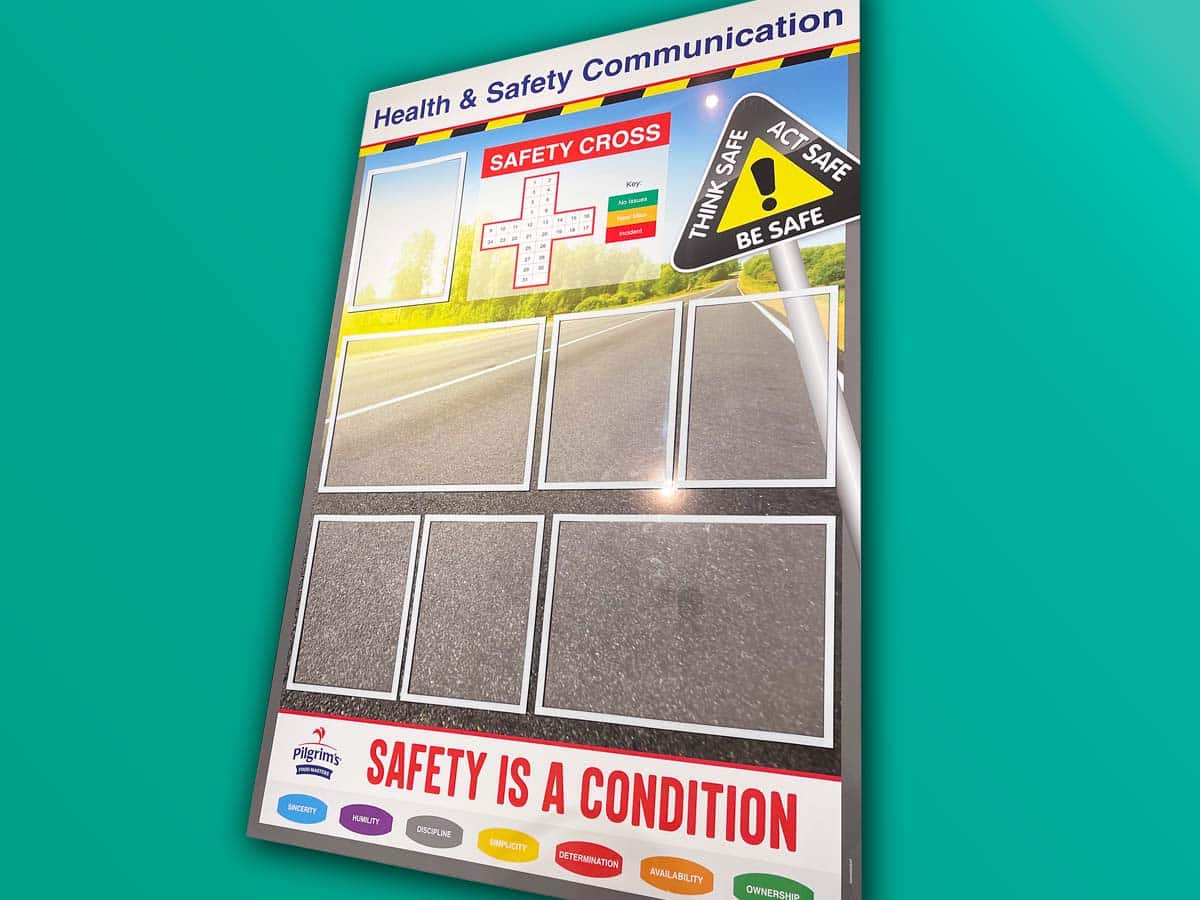
Communications for H&S

Use graphics for impact

Safety board for your team

Emergency response board

Stainless steel document holders
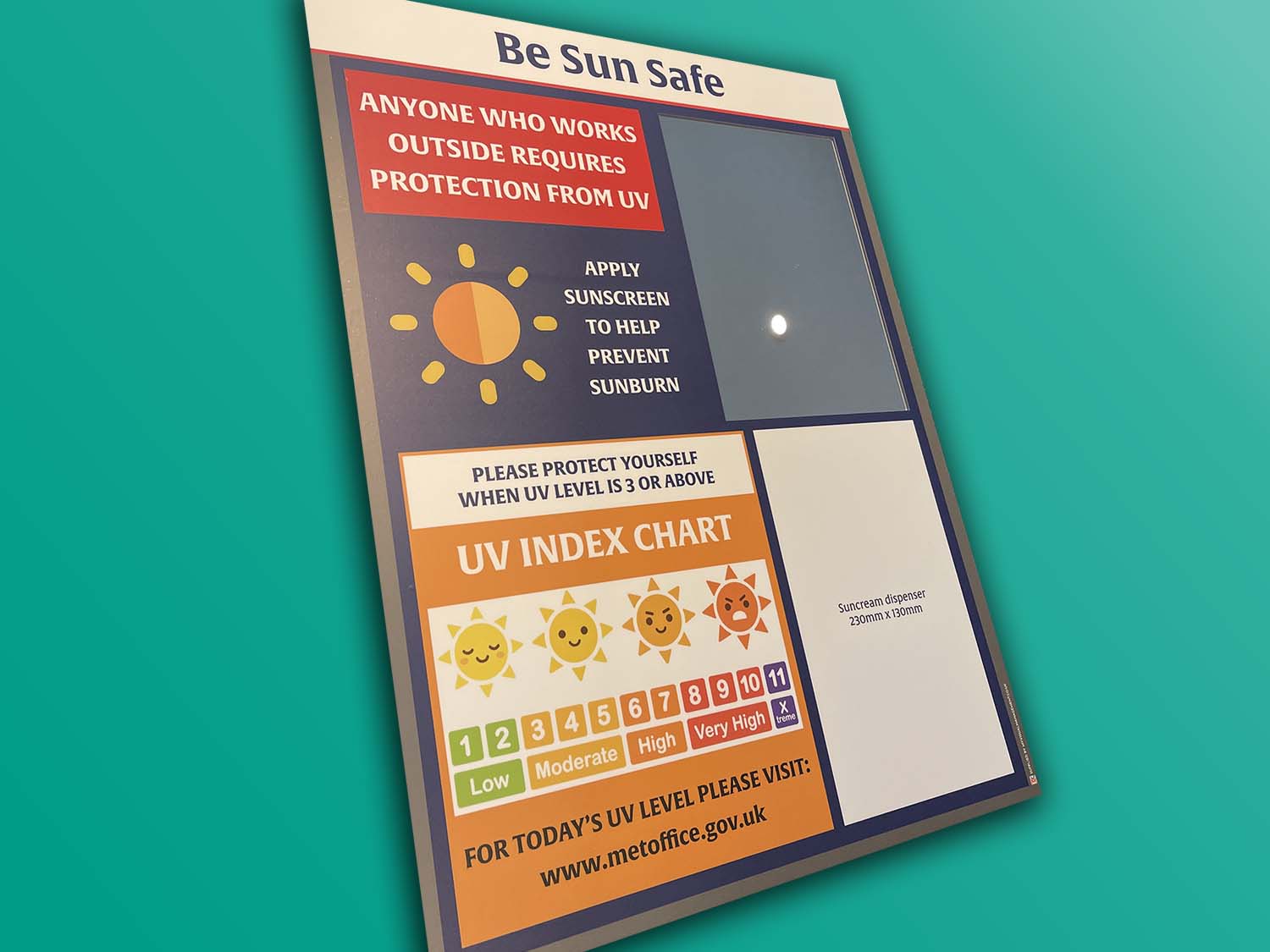
Sun Safe board

Safety Information Board

Display your Site Rules

Handheld whiteboard for daily briefings

Document holders keep information safe
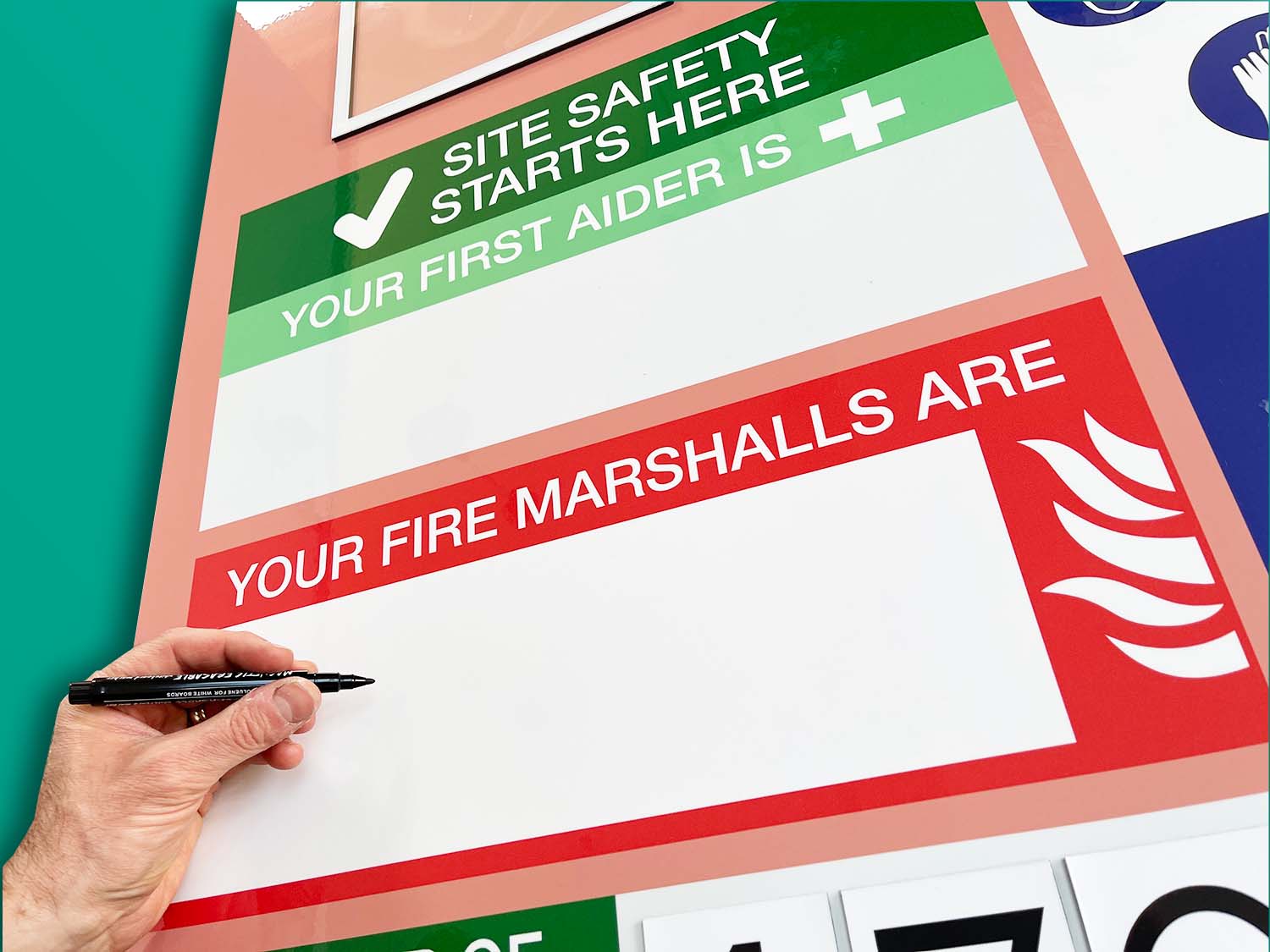
Update easily with dry wipe option

Near Miss card

Communicate H&S visually

Keep info safe with document holders

Display machinery safety rules

Safety equipment board

Highly visual with icons

Sanitisation check stations

Covid-secure visual management

Show rules visually for your team

Covid-secure signage

Sanitisation station boards

Site Rules boards


Our Approach
We create visual management boards everyday. As a result we have plenty of experience. We work for organisations in food production, the power industry, national rail, pharmaceuticals, education, healthcare, packaging and distribution.
Our team works with a simple idea or sketch and creates a professionally designed layout. This is then turned into a highly functional visual management board.
We offer customised options because we want to create the perfect board for you. So, here are a few examples. We can add magnetic areas or a dry-wipe finish (for use with whiteboard pens). Furthermore, you can choose Red/Green sliders or R.A.G. (Red, Amber, Green) status dials so you can quickly and visually update your board. These are just a few examples of the ways in which our boards can be tailored to meet your needs. You may also be interested in whiteboard overlays that can be used on top of an existing magnetic board.


