

Allergy awareness is an important consideration across a wide range of environments, including schools, food production, healthcare and workplaces.
In many cases, effective allergy management depends on clear communication. People need to understand risks, recognise procedures and know how to respond if required. As a result, clear and accessible information becomes essential.
This can be particularly important in environments where multiple people are involved, including staff, visitors, contractors or temporary team members.
The Challenge of Consistency and Awareness
Allergy-related procedures are often defined through policies, training and guidance. However, in practice, maintaining consistent awareness in day-to-day operations can be more challenging.
Organisations need to ensure that:
- key information is clearly communicated
- procedures are understood by different groups
- responsibilities are easy to recognise
- emergency actions are known and accessible
If information is not visible, teams rely more heavily on memory or prior knowledge. As a result, consistency can be harder to maintain.
Making Key Information Visible
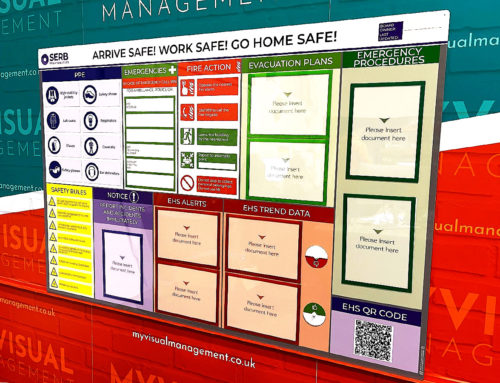
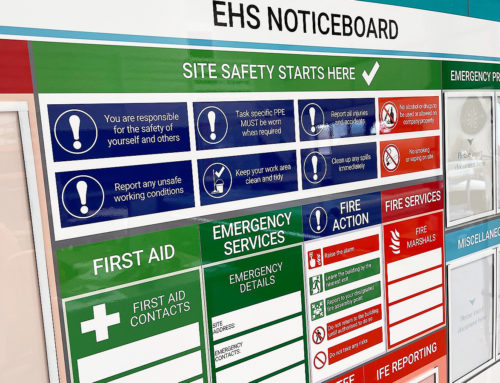
Visual communication supports allergy awareness by making important information clear and accessible at the point of use.
For example, organisations may:
- display allergy procedures and guidance
- identify key contacts or responsible individuals
- show emergency response steps
- highlight areas where allergen controls apply
By doing this, teams can quickly understand what is required. In addition, visible information helps reinforce awareness and supports consistent understanding.
Supporting Food Safety and Controlled Environments
In food production, catering and hospitality environments, allergy management is closely linked to process control.
In these settings, teams use visual systems to:
- identify allergen-containing ingredients
- separate materials and equipment
- communicate allergen risks
- maintain consistency in food preparation processes
As a result, clear, visible information helps teams follow defined procedures and reduce the risk of error.
Supporting Awareness in Schools and Shared Spaces
In schools and other shared environments, a wide range of people may be involved in daily activities, including teaching staff, support staff, visitors and external providers.
Because roles can vary throughout the day, visual communication helps support:
- awareness of allergy risks
- understanding of procedures
- clarity around responsibilities
- consistency in how information is shared
This is particularly useful where staff roles change or where temporary staff are present.
Reinforcing Processes Through Visual Management
Visual management does not replace training, policies or formal procedures. Instead, it supports these by reinforcing key information and making it easier to access when needed.
By making expectations visible, organisations help ensure that procedures remain active and consistently applied.
Maintaining Clarity in Day-to-Day Practice
Across different environments, allergy awareness relies on clear, consistent communication.
Visual systems support this by:
- making important information easy to understand
- reducing reliance on memory
- supporting coordination between people and teams
- reinforcing established processes
Overall, visual communication helps bridge the gap between written guidance and everyday practi
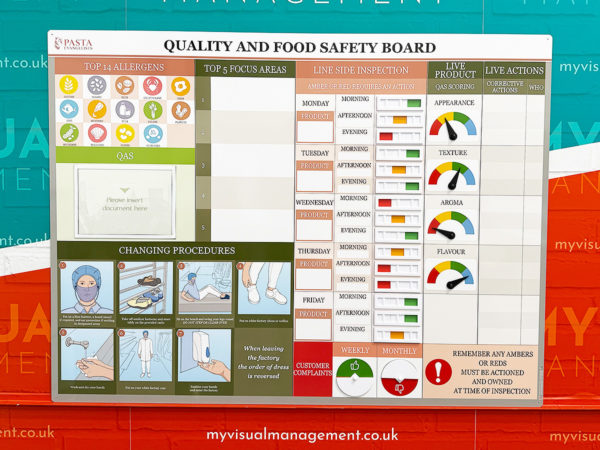
Make allergen control easy and intuitive, at a glance
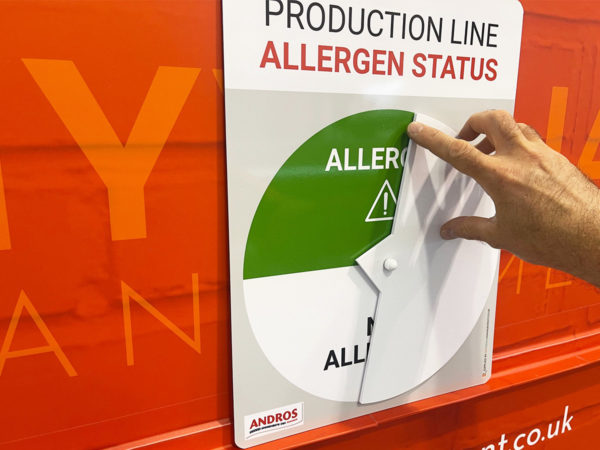
Employ simple and effective visual communications
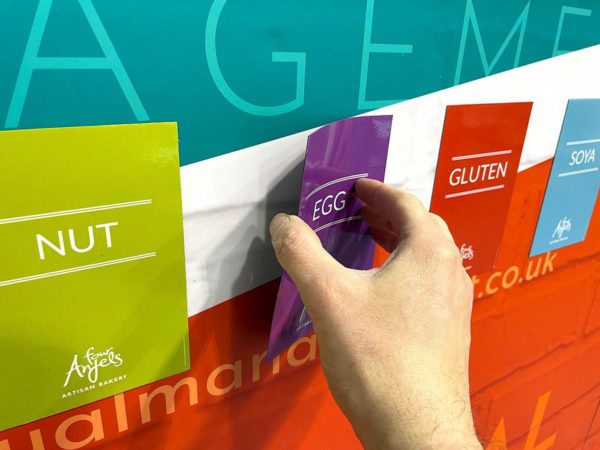
Use colour coding
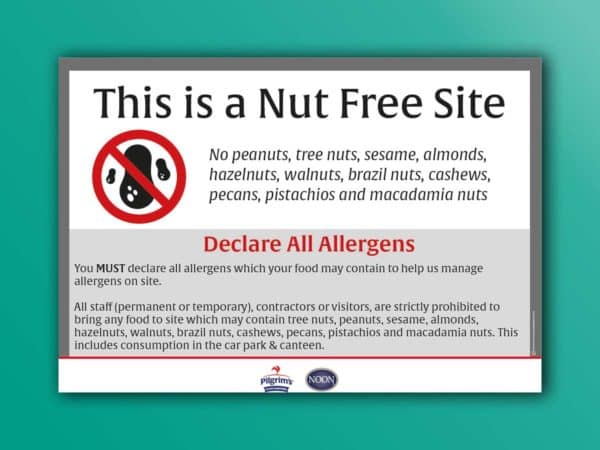
Support allergen control with icons and clear instruction
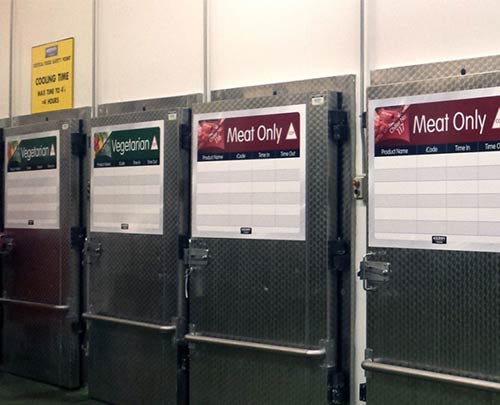
Make visual tools fit for your setting
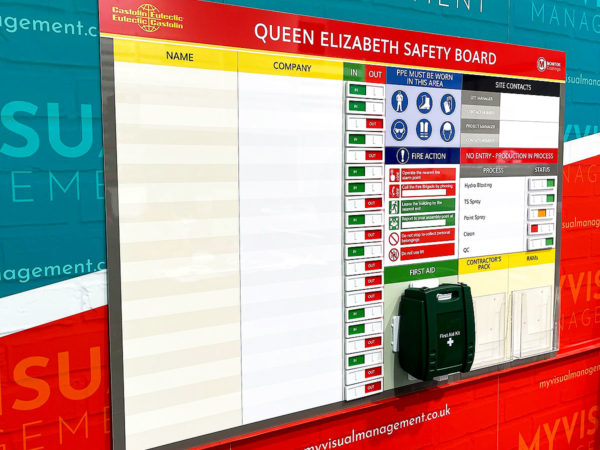
Wider safety communications could include allergen control elements
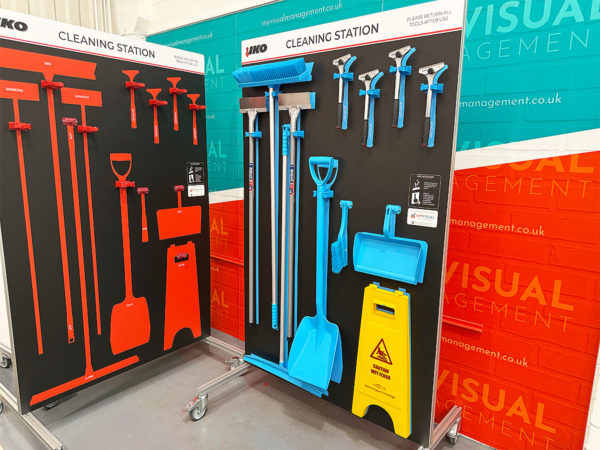
Coding cleaning tools can help prevent contamination between areas
Further examples


HSE Info board

First Aiders & Fire Marshals info

QHSE board

Site safety Board

EH&S communications board

First Aid Station board

Safety key info board

Dry wipe areas

HSE Board

EH&S board
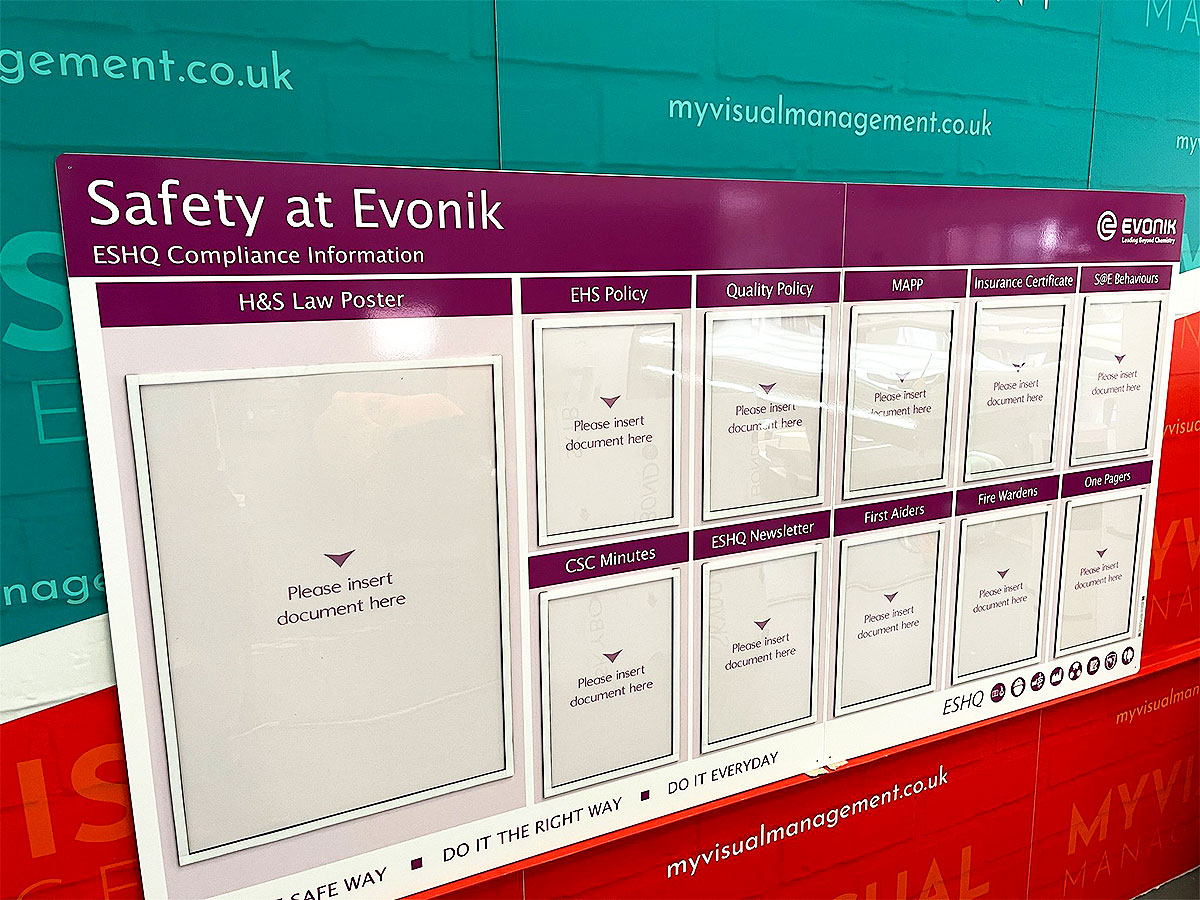
Site Safety policies board

Show your safety rules

Safety board with first aid kit

Site Communications board

PPE requirements

Safety info for employees

Site evacuation plan

Site Safety Noticeboard
Employee Info board for safety
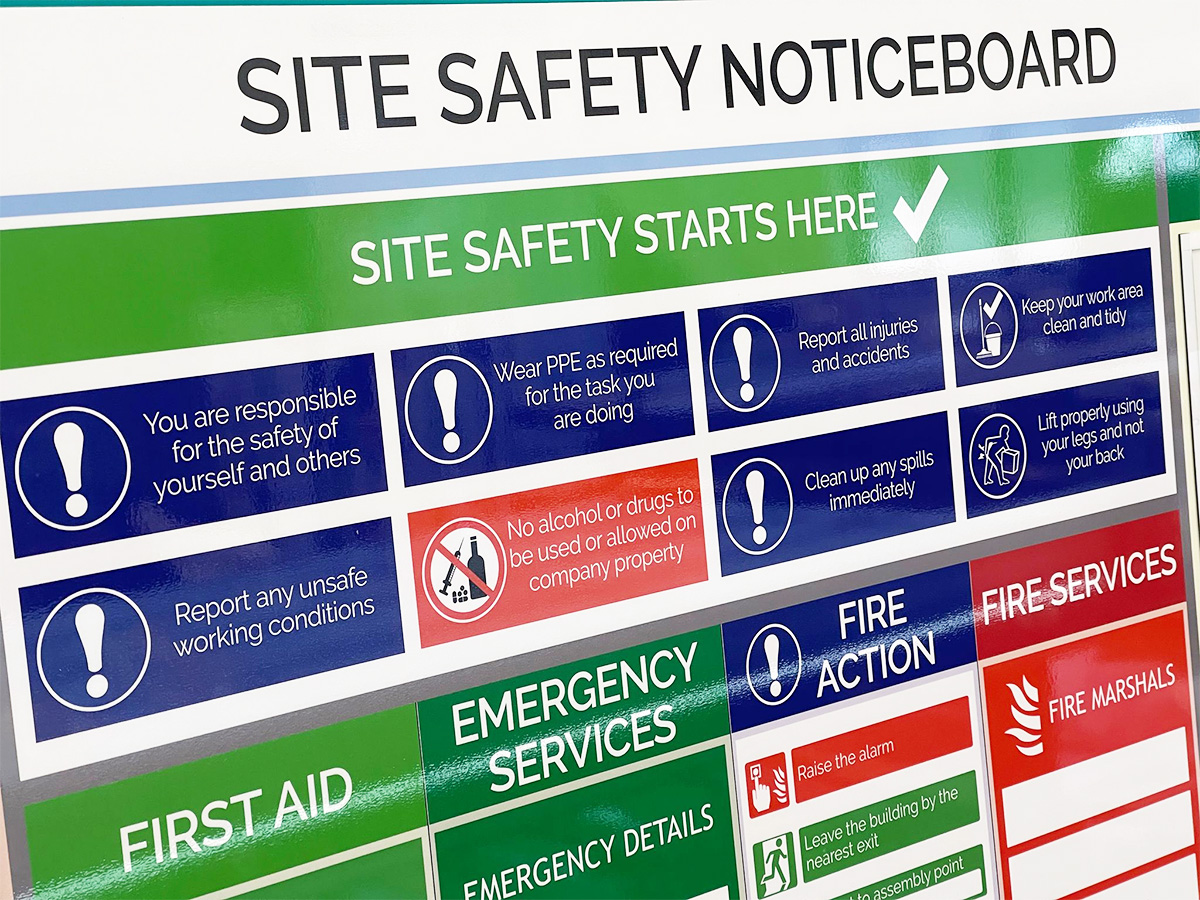
Communicate your safety rules

Show your supervisors

Show your First Aiders

Show your Fire Wardens

SHEQ board

Site Safety Noticeboard

Employee Information Board

Key Information Board

Emergency contact information

Show all your H&S information

Reporting Board

Safety Training Board

Emergency Response Team Board

amazonfresh safety board

Update names easily

Site Safety board

Fire Marshalls information

Communications Board
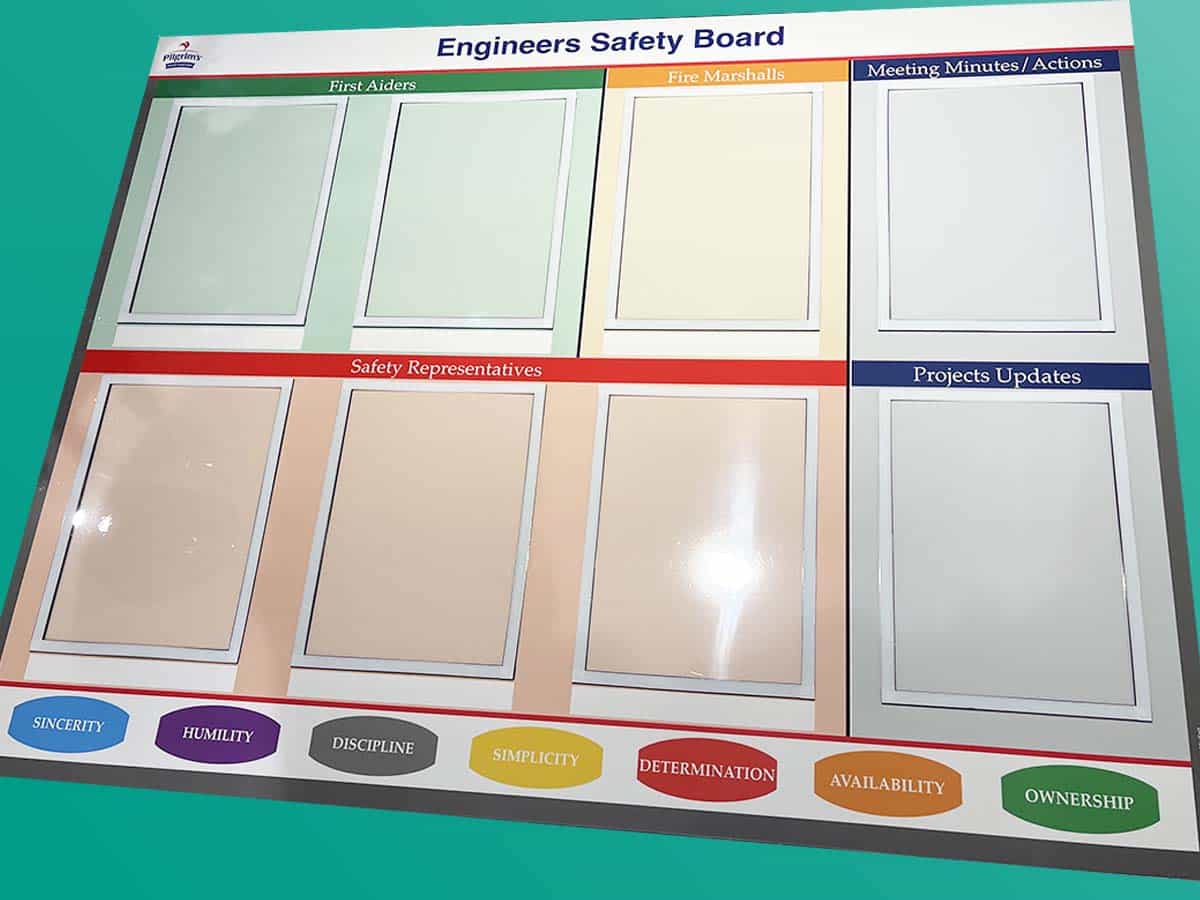
Engineers Safety board

Display your H&S policies
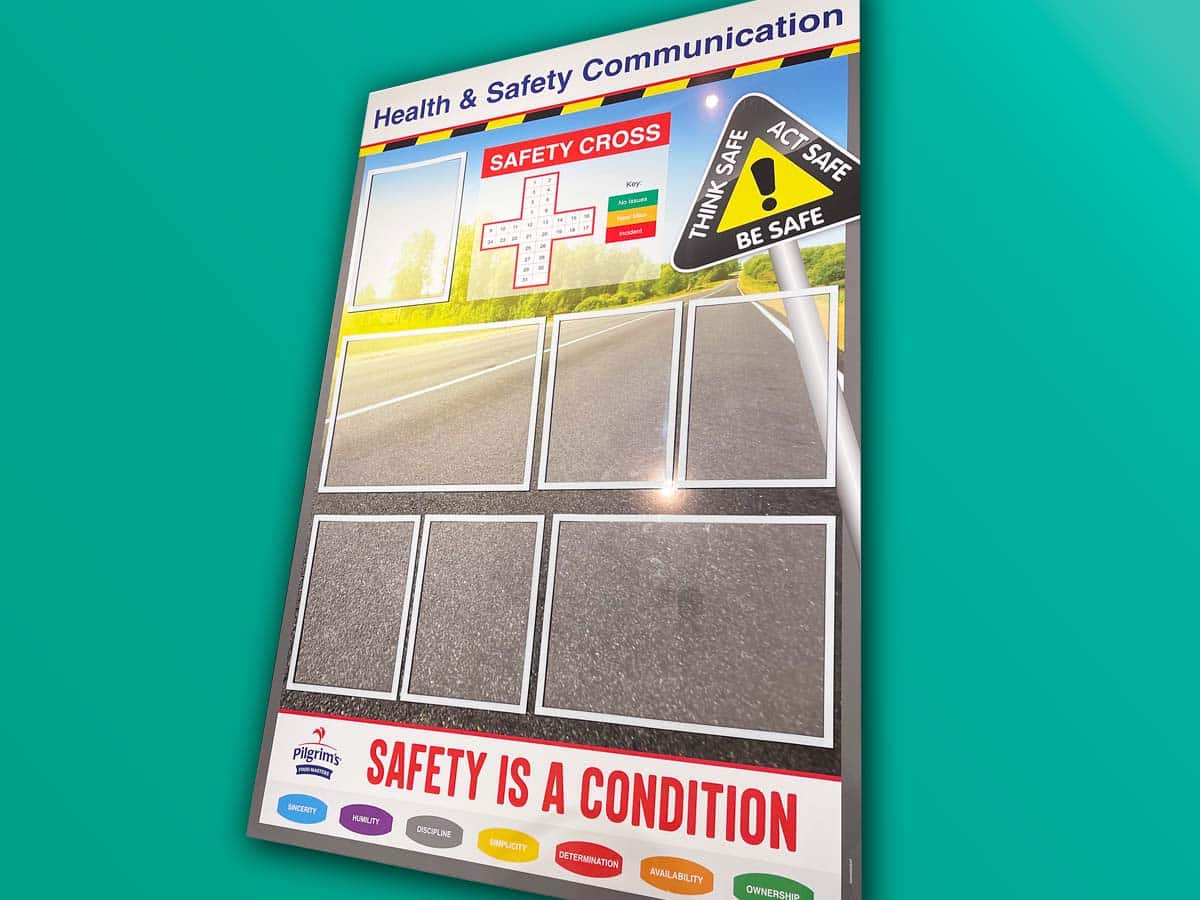
Communications for H&S

Use graphics for impact

Safety board for your team

Emergency response board

Stainless steel document holders
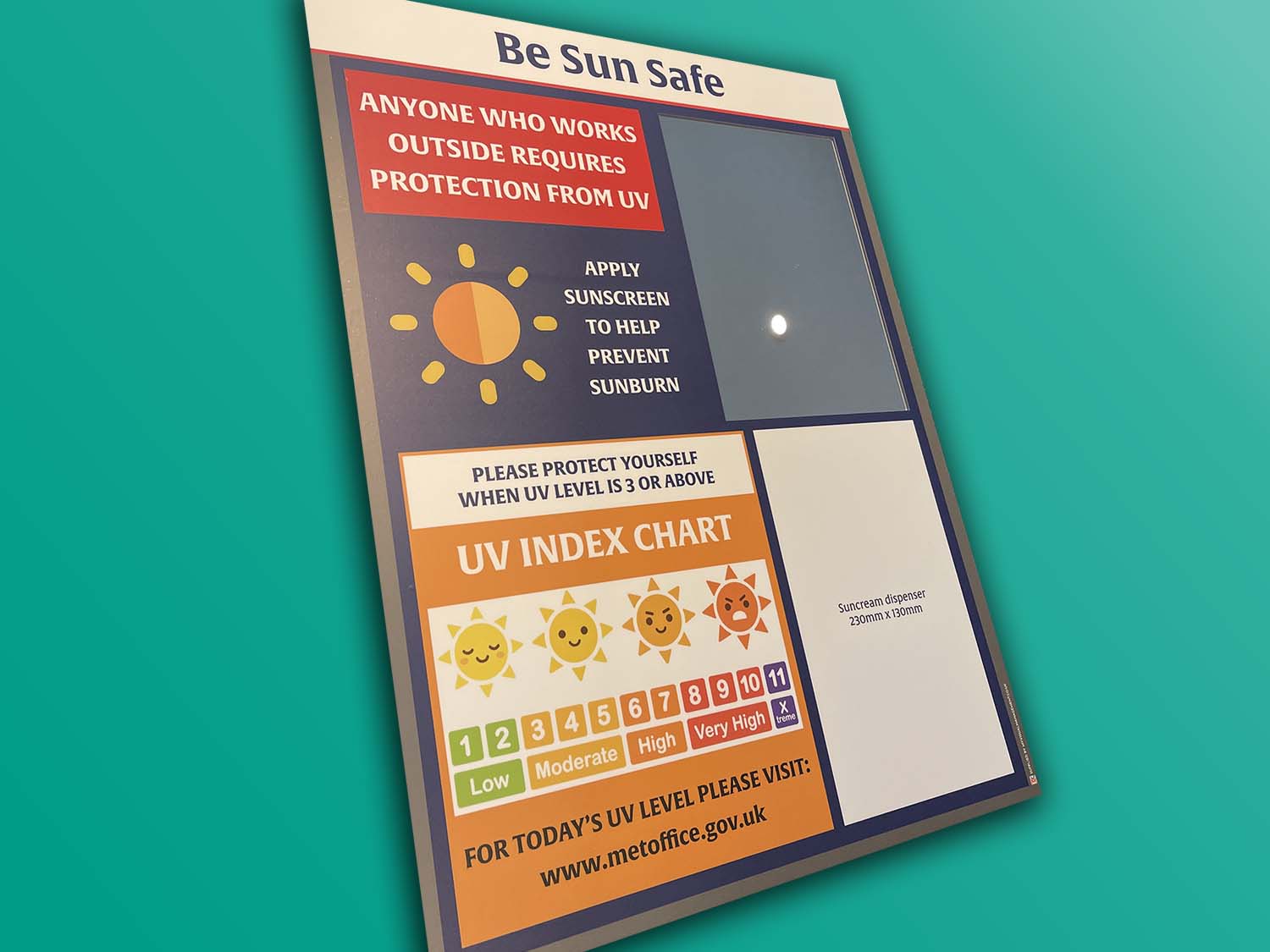
Sun Safe board

Safety Information Board

Display your Site Rules

Handheld whiteboard for daily briefings

Document holders keep information safe
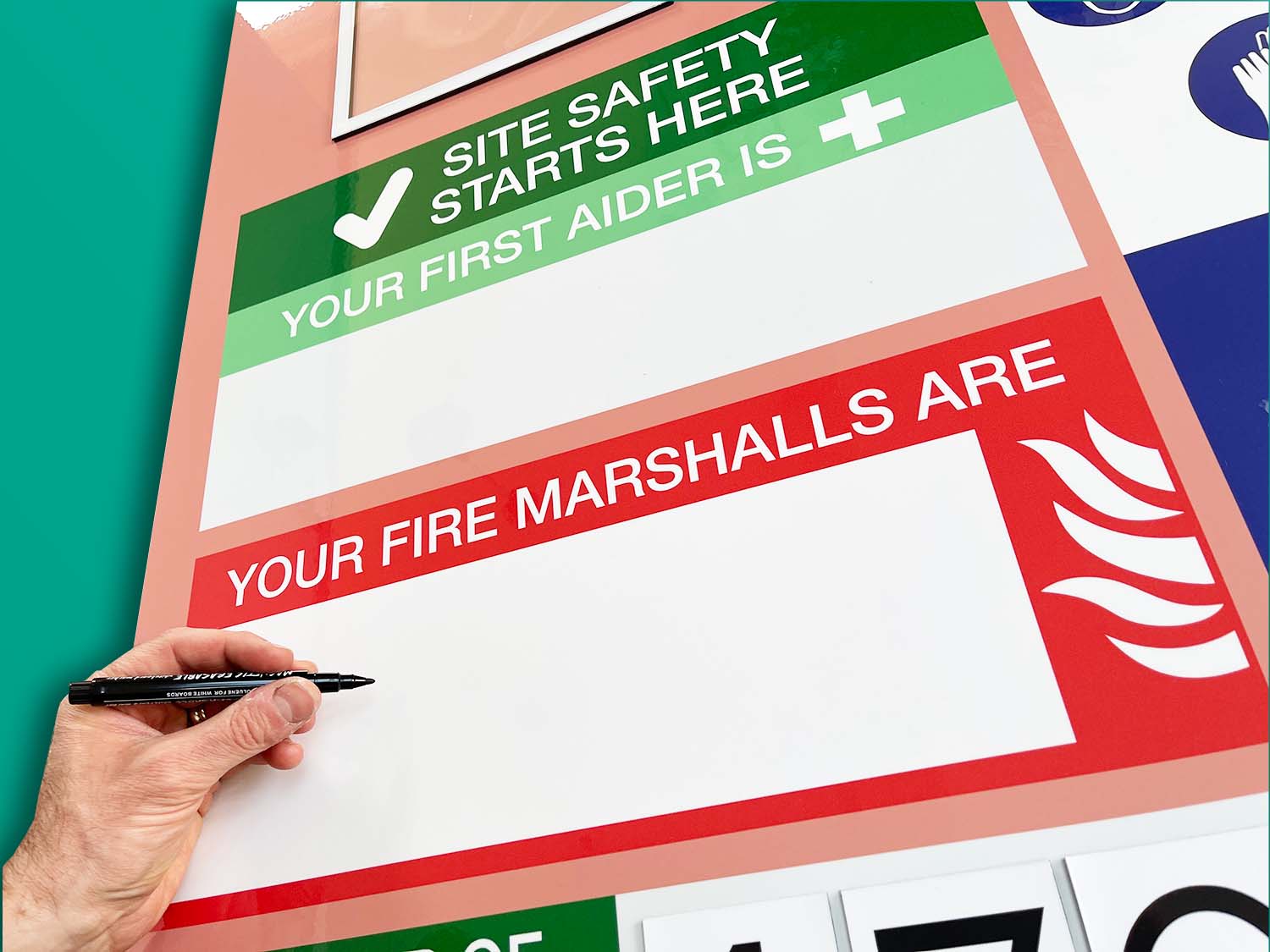
Update easily with dry wipe option

Near Miss card

Communicate H&S visually

Keep info safe with document holders

Display machinery safety rules

Safety equipment board

Highly visual with icons

Sanitisation check stations

Covid-secure visual management

Show rules visually for your team

Covid-secure signage

Sanitisation station boards

Site Rules boards


Our Approach
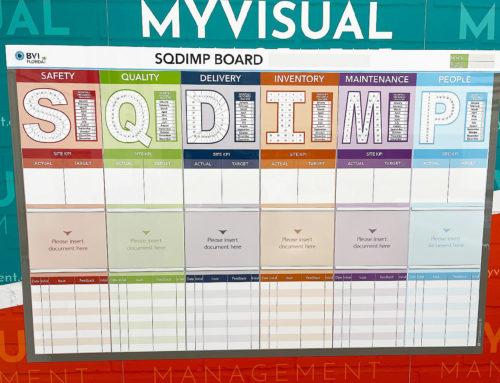
We create visual management boards everyday. As a result we have plenty of experience. We work for organisations in food production, the power industry, national rail, pharmaceuticals, education, healthcare, packaging and distribution.
Our team works with a simple idea or sketch and creates a professionally designed layout. This is then turned into a highly functional visual management board.
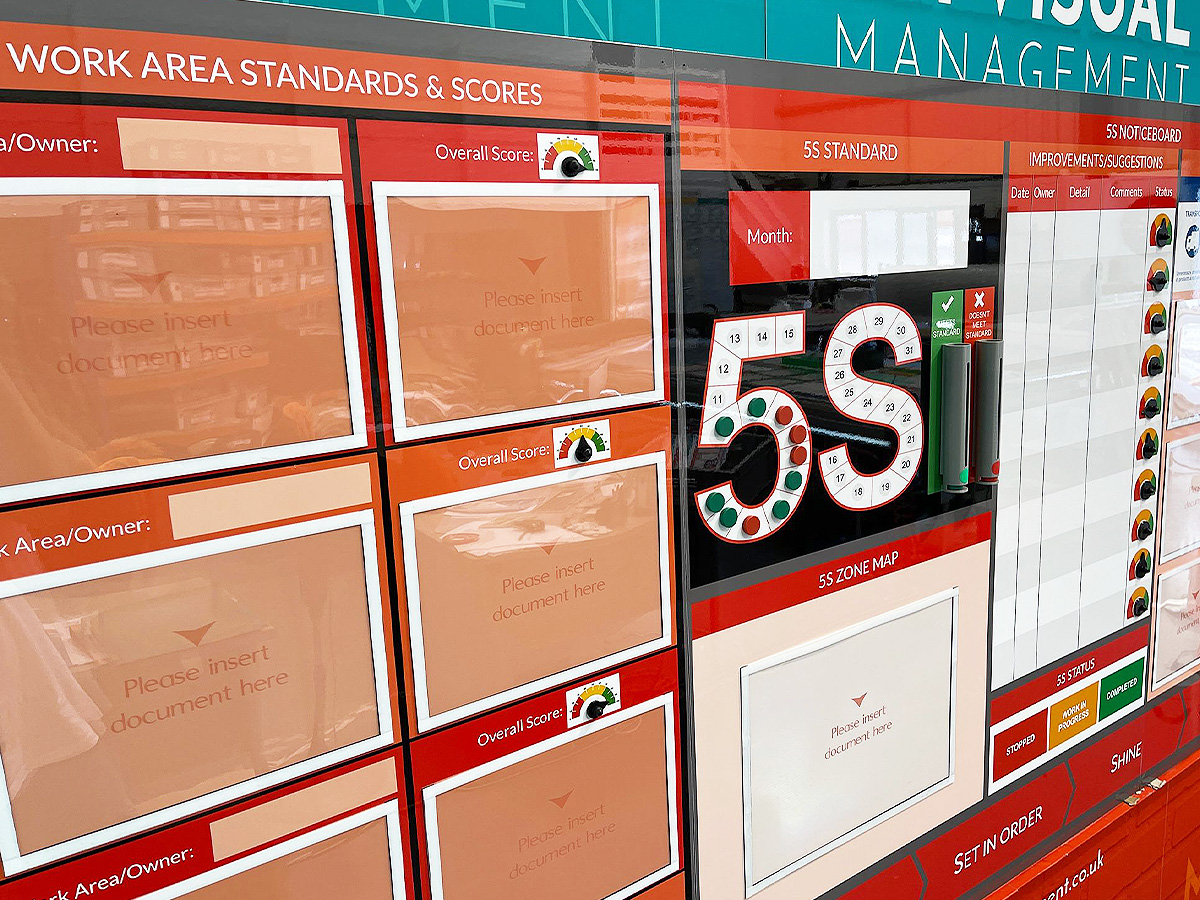
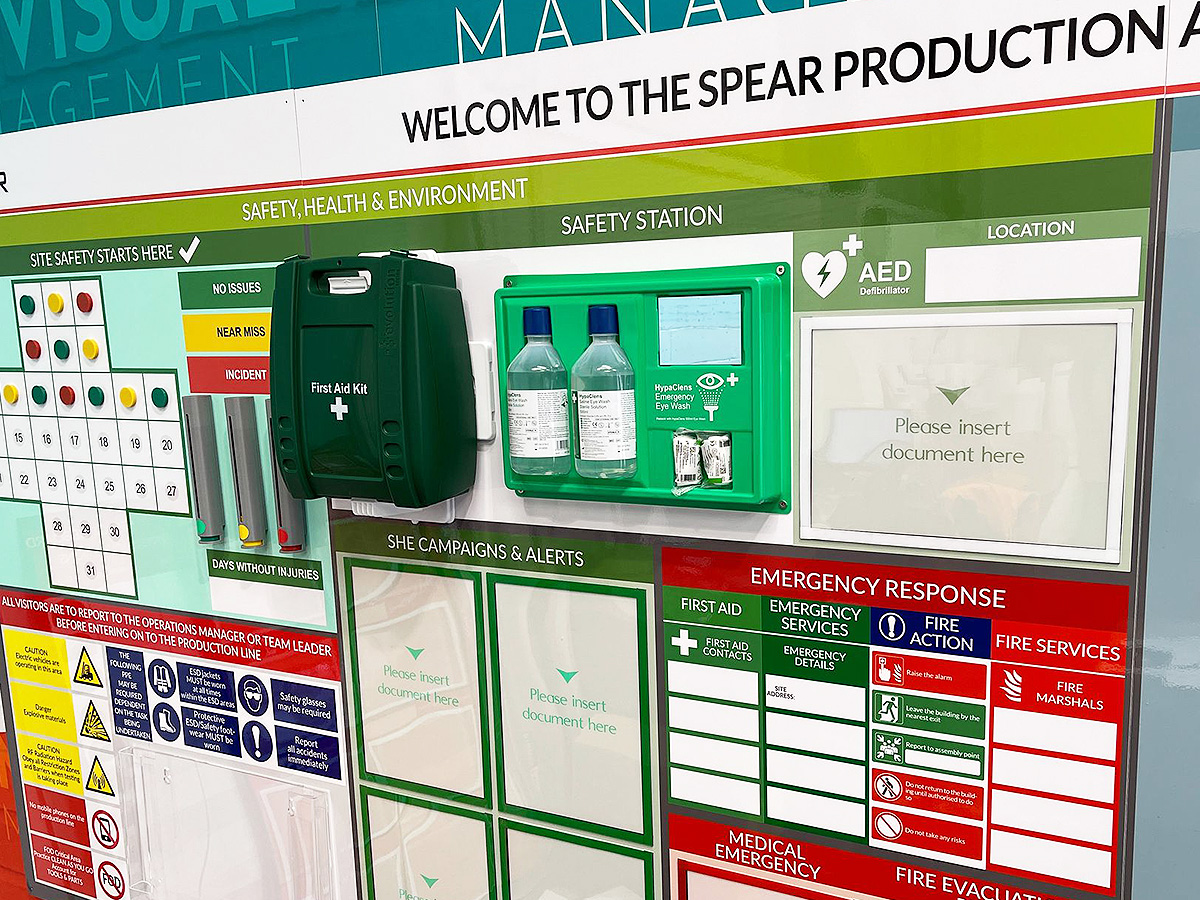
We offer customised options because we want to create the perfect board for you. So, here are a few examples. We can add magnetic areas or a dry-wipe finish (for use with whiteboard pens). Furthermore, you can choose Red/Green sliders or R.A.G. (Red, Amber, Green) status dials so you can quickly and visually update your board. These are just a few examples of the ways in which our boards can be tailored to meet your needs. You may also be interested in whiteboard overlays that can be used on top of an existing magnetic board.