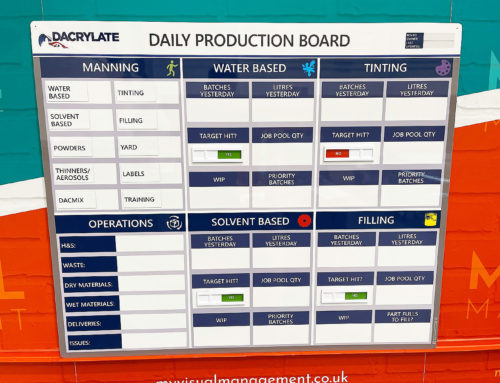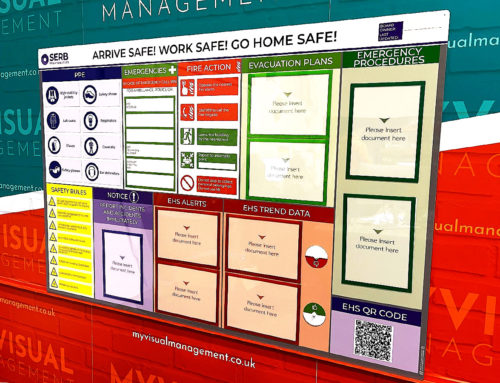


Across manufacturing, logistics and operational environments, shift handovers remain one of the most critical — and most vulnerable — moments in the working day. When information is unclear or incomplete, teams risk delays, rework or missed issues.
Visual management reduces risk by making current state of work easy to understand, at a glance.
The Challenge of Shift-to-Shift Continuity
In multi-shift operations, work rarely stops when one team leaves. Tasks carry over, equipment status changes and priorities evolve. Without a shared reference point, teams often rely on verbal updates or assumptions, which can lead to inconsistency.
Visual tools provide a stable, shared view of what matters, regardless of who is on shift.
How Visual Tools Support Better Handovers
Visual management supports effective handovers by making key information visible, including:
-
current status of work or equipment
-
outstanding issues or risks
-
priorities for the next shift
-
actions in progress or awaiting follow-up
Because this information is visible, incoming teams can quickly understand the situation without needing lengthy explanations.
Reducing Reliance on Memory and Interpretation
One of the strengths of visual management is that it reduces reliance on individual memory or interpretation. When status, priorities and actions are clearly shown, teams spend less time clarifying and more time acting.
This is especially valuable in environments with rotating teams, overtime cover or temporary staff.
Supporting Consistency and Accountability
Visual handover tools also support accountability by making responsibilities and expectations clear. When actions are visible and tracked, follow-up becomes part of normal work rather than an afterthought.
Over time, this consistency helps teams develop stronger habits around communication and ownership.
A Practical Approach to Daily Continuity
Effective shift handovers don’t require complex systems. Clear visual cues, simple layouts and consistent routines are often enough to improve continuity and reduce friction between teams.
Visual management provides a practical way to support this clarity every day.
Why This Matters
As operations become more complex and workloads fluctuate, maintaining continuity across shifts becomes increasingly important. Visual management helps teams stay aligned, reduce uncertainty and maintain momentum — even as people change.
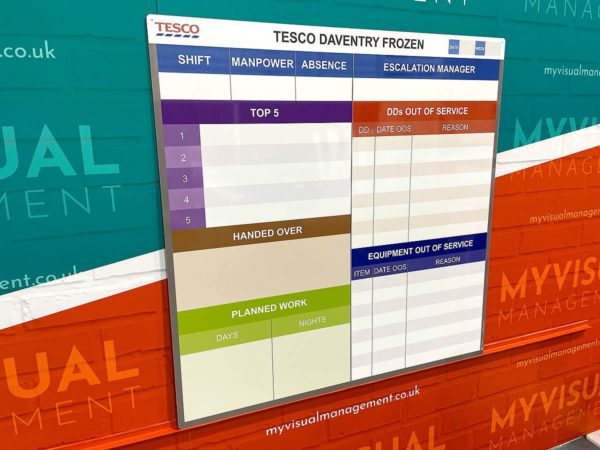
Visual management reduces risk by making current state of work visible, at a glance.
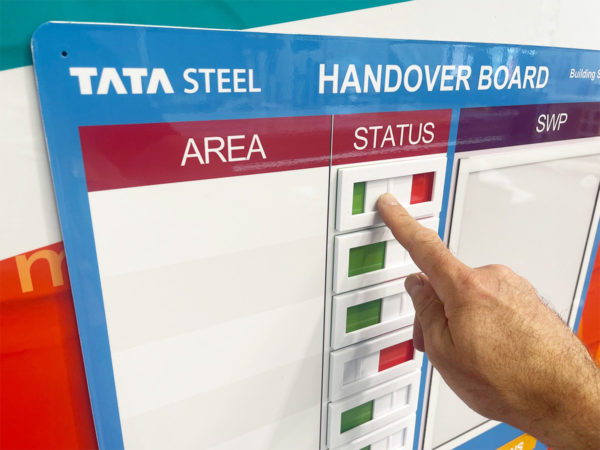
Add status indicators for visual impact.
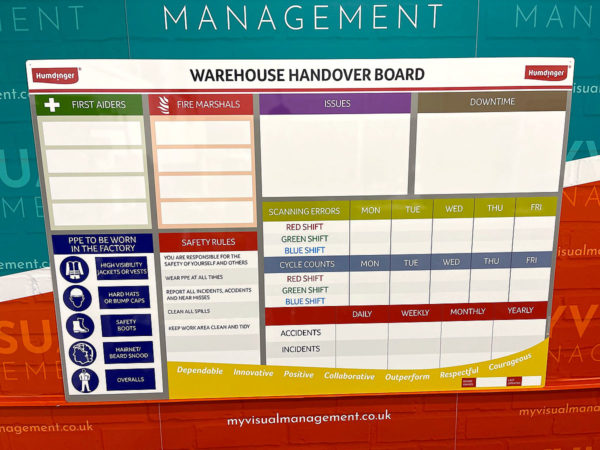
Show exactly what you need on your own handover board.
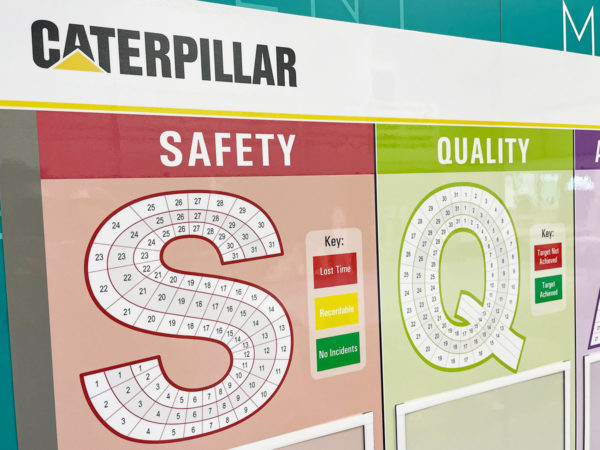
Use triple shift daily tracking (double also possible).
Further examples


KPI status with status indicators

KPI daily meeting board

Supply Chain KPI board

Operational KPI board

KPI board with document holders

KPI board status meters

Daily KPI Board

Site KPI Board with modular magnetics

KPI board with board accessories

Product KPIs board with status meters

Production Floor KPIs

Management KPIs for SQDPCP
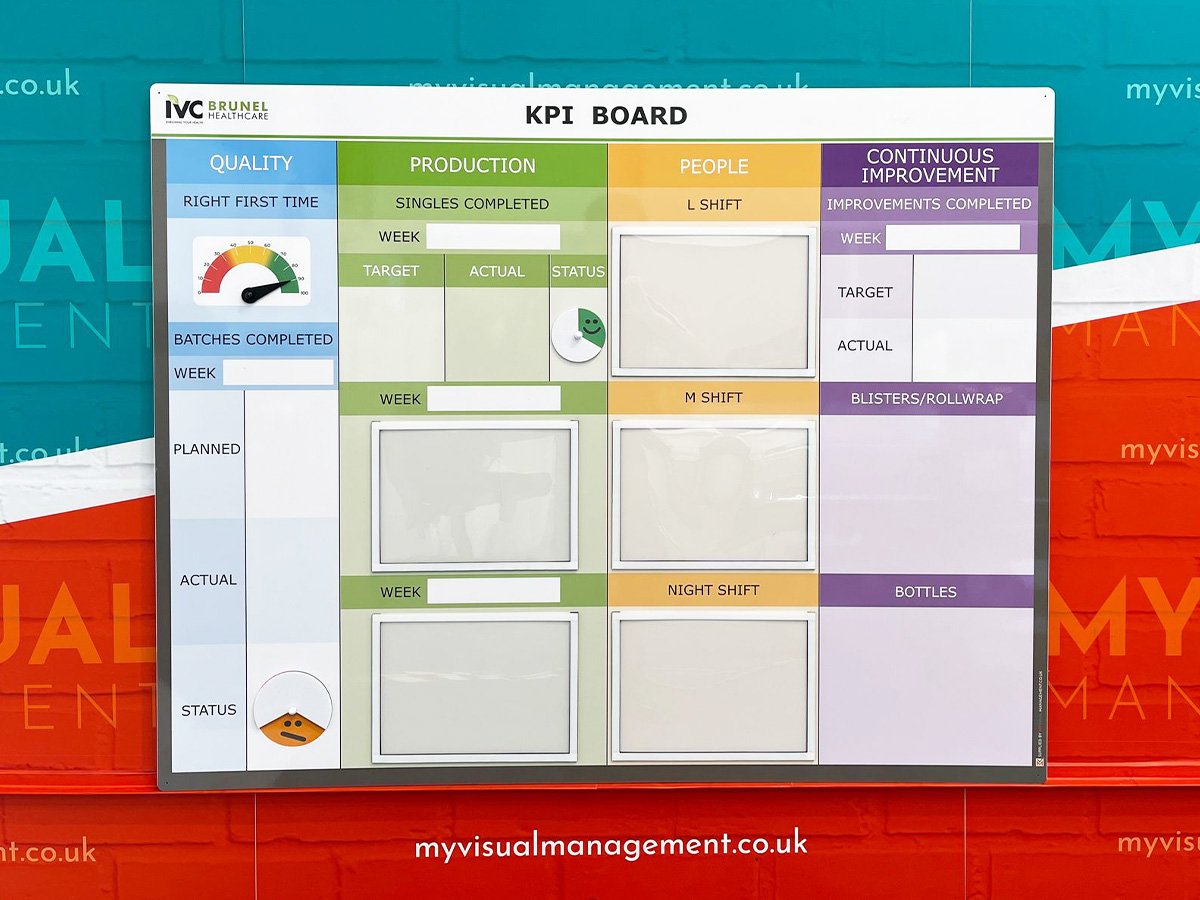
KPI board with accessories

KPI board with document holders

Department KPIs

KPI board with status meters

KPI board with status sliders

Monthly KPI Board

KPI dashboard

Operational KPIs Board

Sales & KPI Tracker
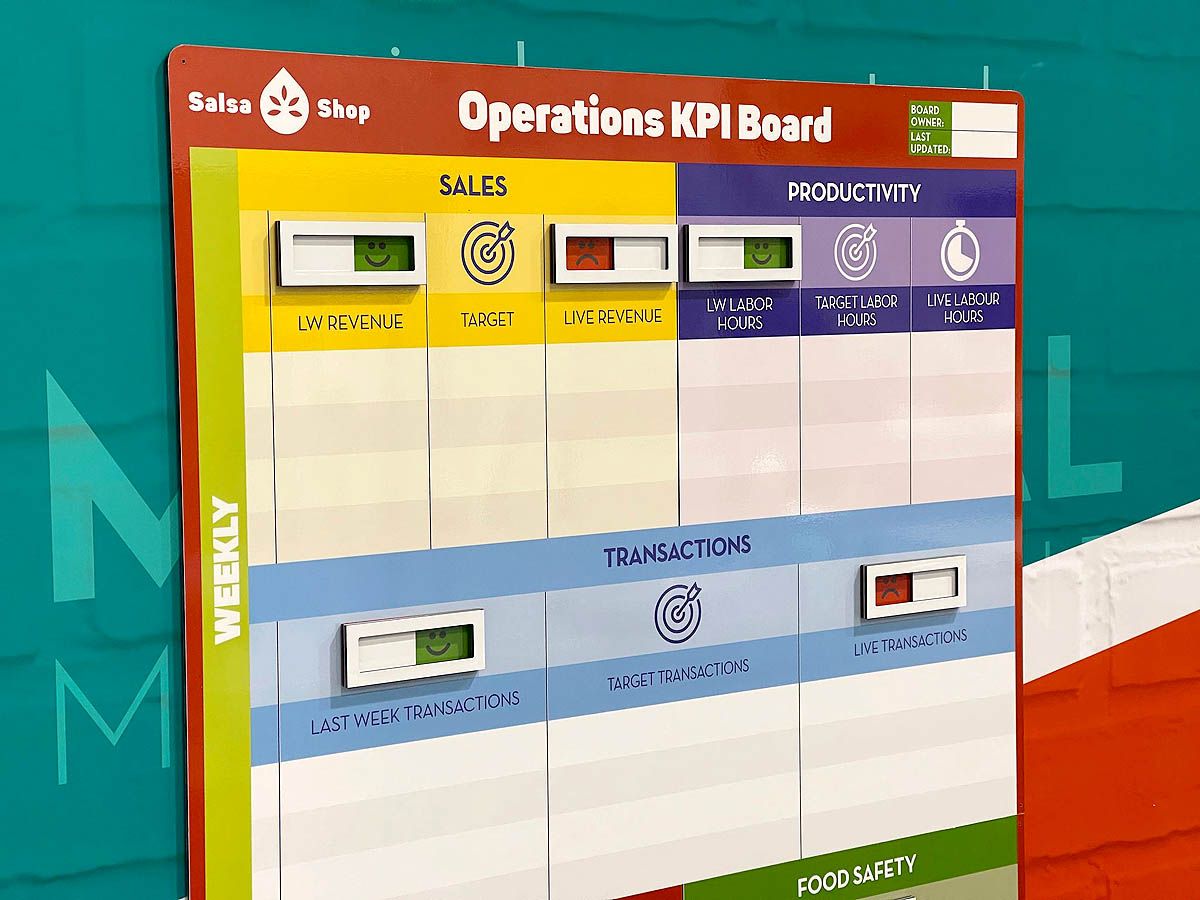
Include status sliders to track KPIs

Track your global KPIs
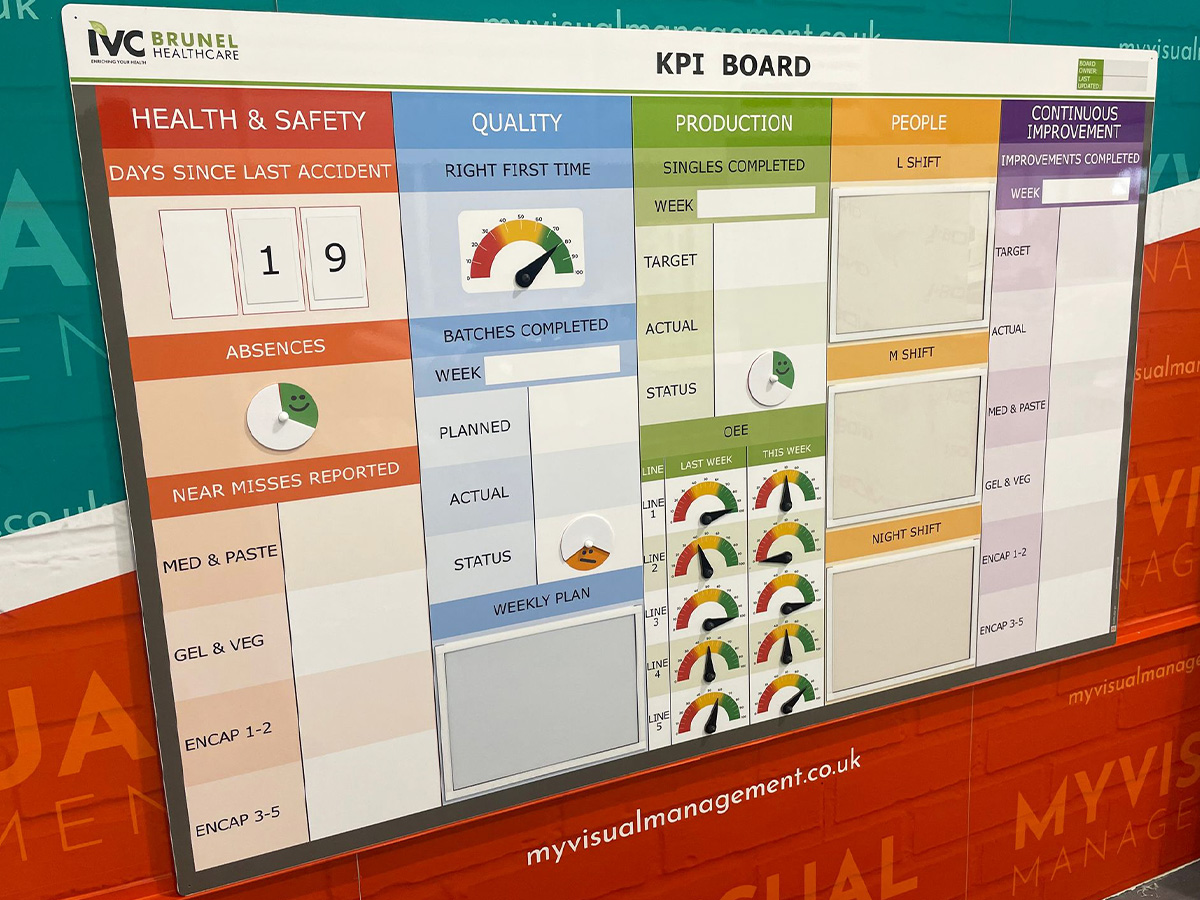
KPI board with status accessories

Choose which KPI metrics to track

Colour coded KPI board

Coloured coded KPI Board

Range of KPI document holders

KPI Board with magnetic headings

KPI board with document holders

KPI Board with document holders

Warehouse status KPI Board

Updatable KPI magnetic headings

KPI status meter tracking

Polish KPI board

Colour coded KPI Board

Production KPI with document holders

KPIs for distribution
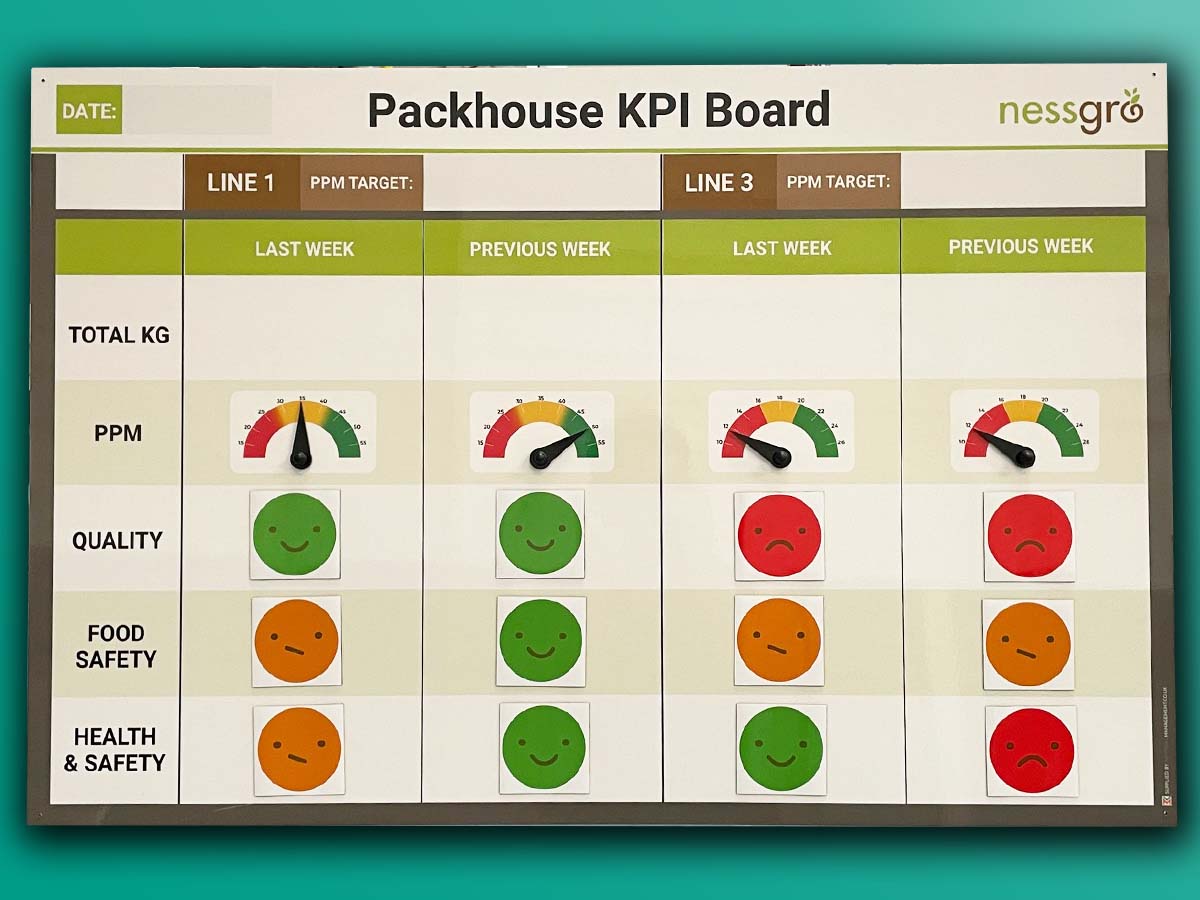
Production KPIs with status indicators

OPEX board

Operations KPI Board

KPI tracker with green tick status

Operations KPI with document holders
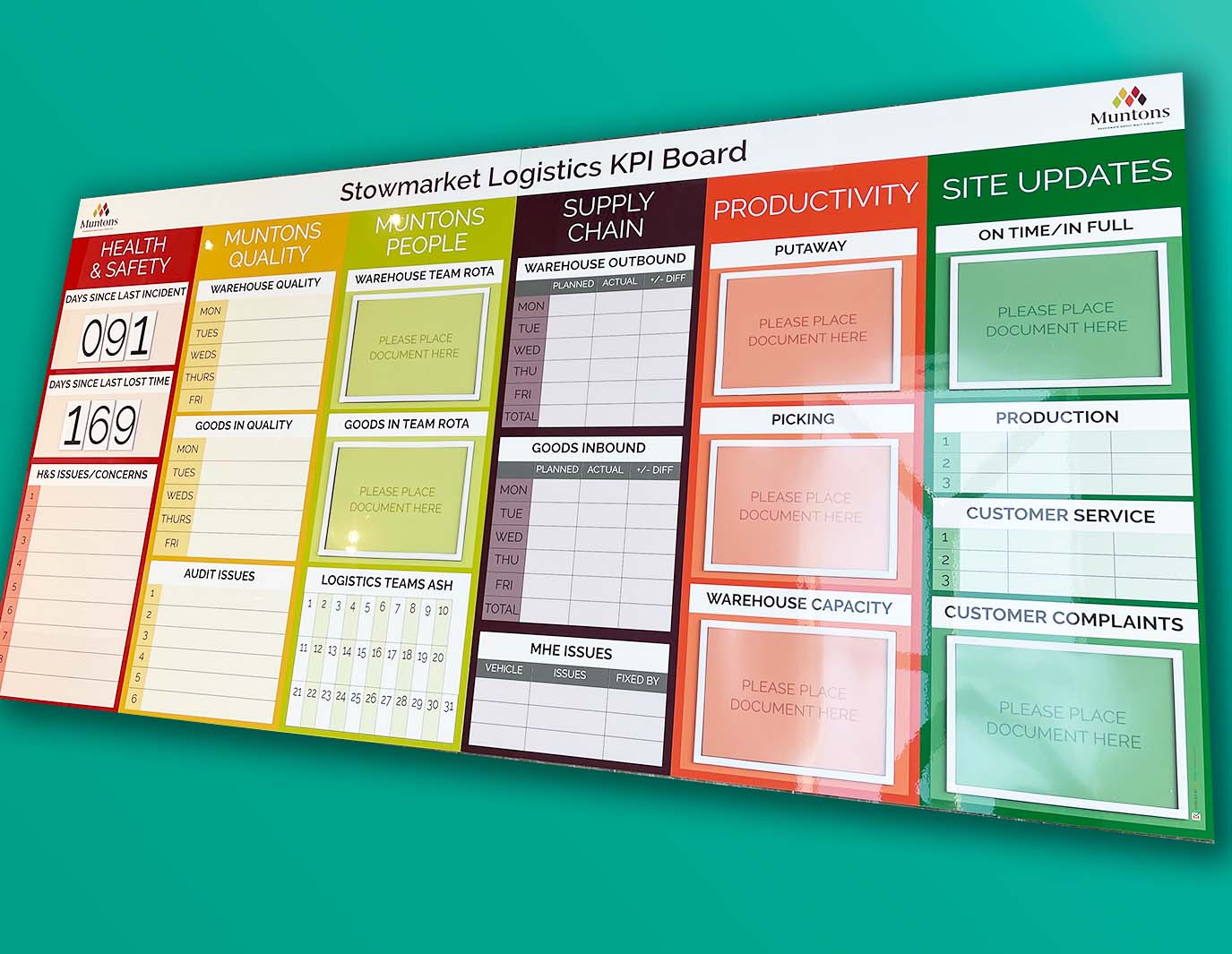
Logistics KPI board

Engineering department KPI board

Use for your department meetings

Track your logistics KPIs

Add document holders to your KPI board

Show your objectives and results

Use custom made status indicators

Double sided magnetic status labels

Magnetic overlay for your KPI board

Make your KPI board multilingual

Food production KPI board

Multilingual KPI board

Dry wipe status circles

Custom quality control materials board
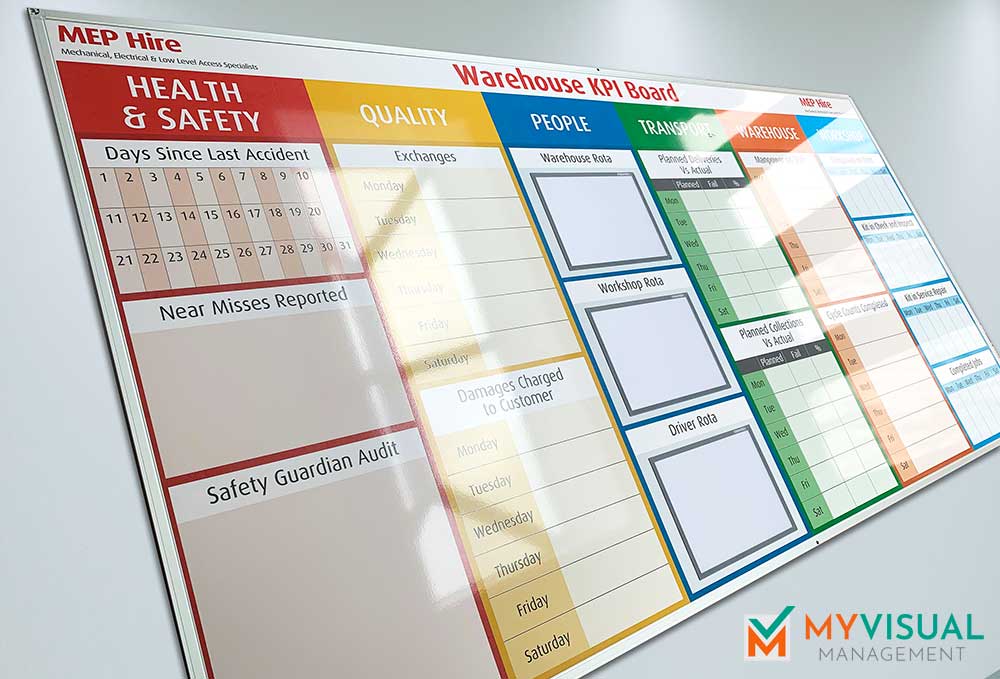
Customised KPI board

Show progress with status dials

Magnetic indicator titles
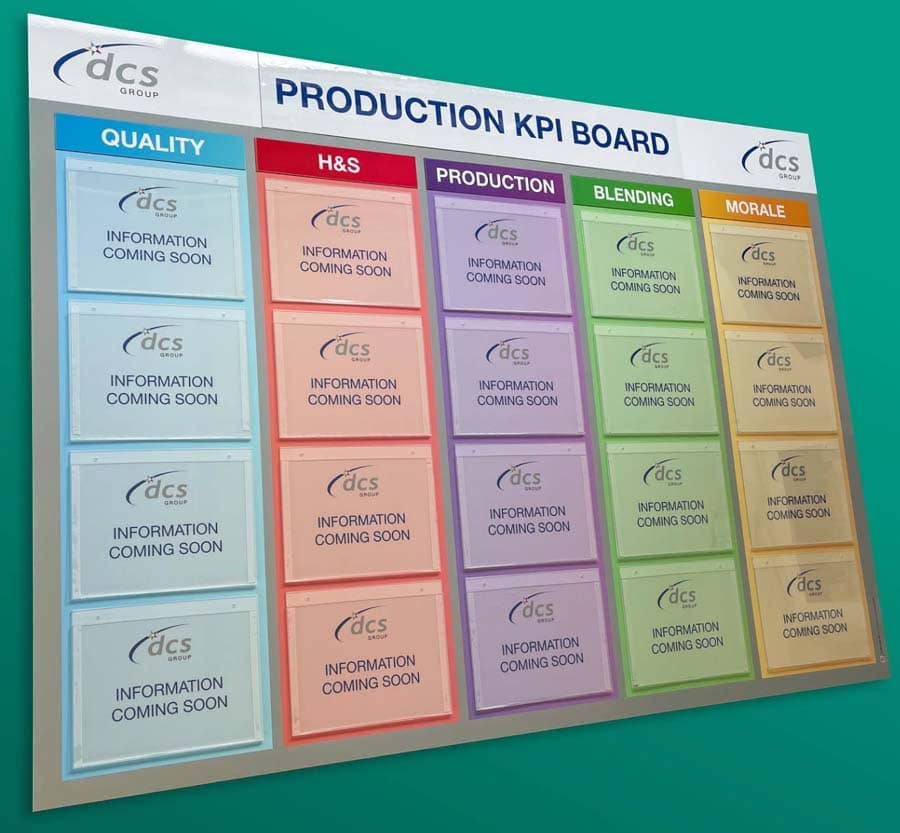
Production KPI board

KPI board with magnetic title

Dry wipe board


Our Approach
We create visual management boards everyday. As a result we have plenty of experience. We work for organisations in food production, the power industry, national rail, pharmaceuticals, education, healthcare, packaging and distribution.
Our team works with a simple idea or sketch and creates a professionally designed layout. This is then turned into a highly functional visual management board.
We offer customised options because we want to create the perfect board for you. So, here are a few examples. We can add magnetic areas or a dry-wipe finish (for use with whiteboard pens). Furthermore, you can choose Red/Green sliders or R.A.G. (Red, Amber, Green) status dials so you can quickly and visually update your board. These are just a few examples of the ways in which our boards can be tailored to meet your needs. You may also be interested in whiteboard overlays that can be used on top of an existing magnetic board.