

Recent Health and Safety Executive (HSE) statistics have increased attention on how organisations manage work-related stress and mental wellbeing.
According to the HSE’s latest published figures, 964,000 workers reported stress, depression or anxiety caused or made worse by work during 2024/25, making mental health the single largest contributor to work-related ill health in Great Britain. The data shows an increase compared with the previous reporting period, continuing a longer-term upward trend.
Understanding Employer Responsibilities for Managing Stress
HSE guidance has long established that work-related stress should be managed in the same systematic way as other workplace risks. Employers are expected to:
-
assess the risk of work-related stress
-
implement proportionate controls
-
monitor effectiveness
-
review arrangements where risks or working conditions change
As reported stress levels continue to rise, many organisations are reviewing how these responsibilities are addressed in practice, particularly across large or complex workforces.
What This Means for Organisations
For employers, managing work-related stress increasingly involves more than written policies alone. There is growing emphasis on ensuring that actions, responsibilities and follow-up are clearly defined and consistently applied at team level.
This has led many organisations — including universities, large employers and public-sector bodies — to look more closely at how wellbeing-related activity is planned, reviewed and communicated day to day.
The Role of Visual Management in Supporting Stress Risk Management
While visual management is not a substitute for formal risk assessments or professional support, structured visual tools are often used to support clarity and consistency around wellbeing-related activity.
Examples include:
-
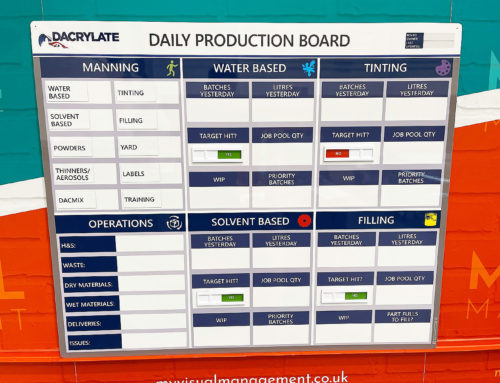
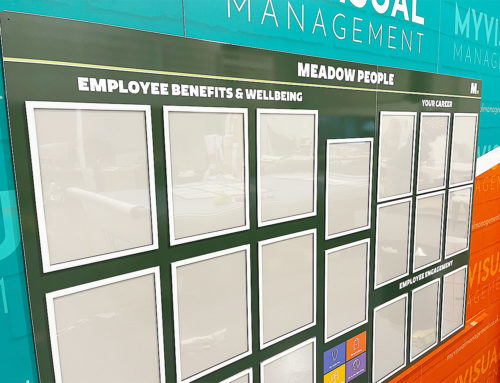
team management boards that make workload pressures visible
-
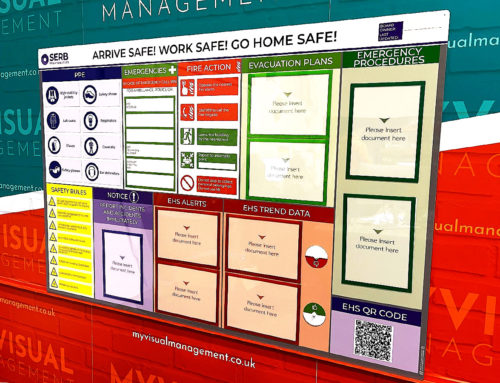
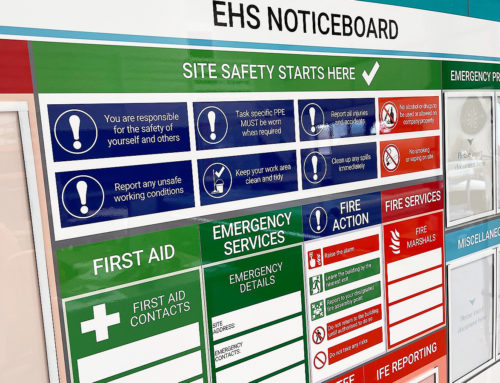
health and safety boards that include wellbeing check-ins
-
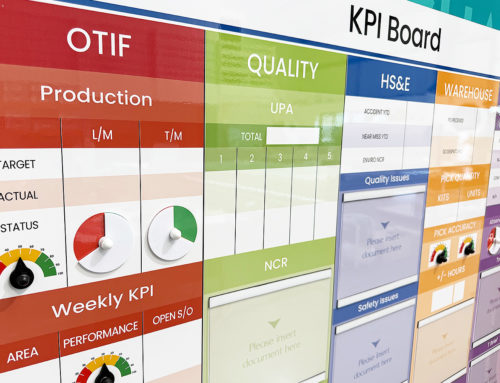
SQDC boards that incorporate people and wellbeing measures
-
visual trackers for actions arising from stress risk assessments
Used appropriately, these tools can help organisations make responsibilities visible, support regular review and improve consistency across teams.
Why This Matters
Work-related stress affects individuals, teams and organisational performance. As reported levels remain high, organisations continue to explore practical ways to support clearer routines, better visibility and more consistent follow-up around wellbeing.
In this context, visual management is increasingly considered as part of wider organisational systems that support clarity, accountability and communication.
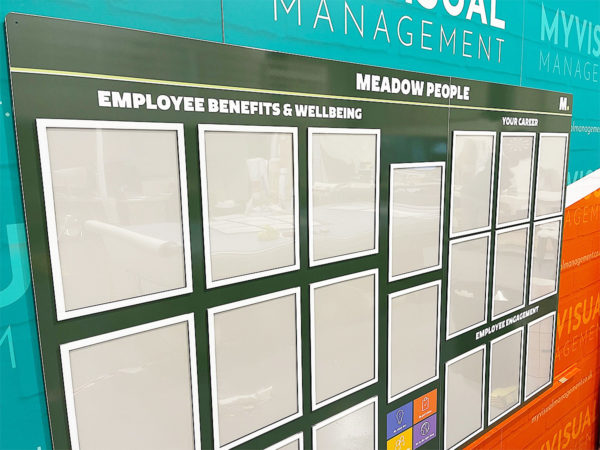
Make wellbeing a priority on-site – give it visibility
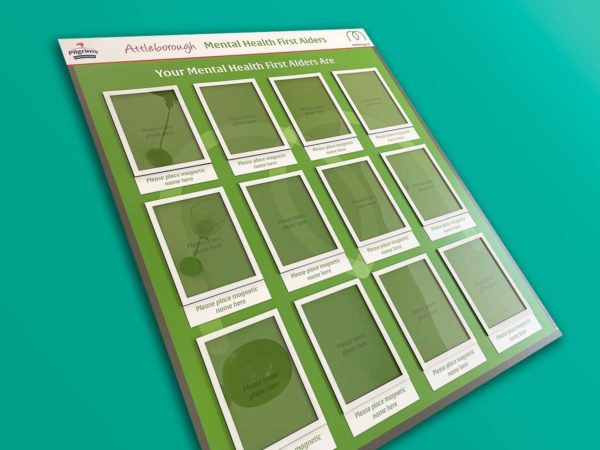
Ensure the team knows how to access mental health support with dedicated first aiders.
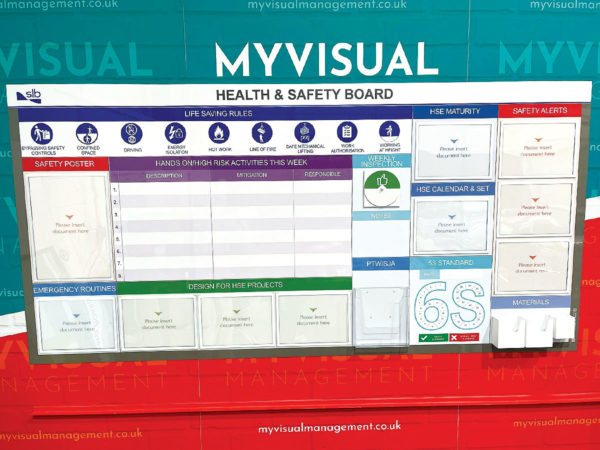
Make safety information accessible and intuitive.
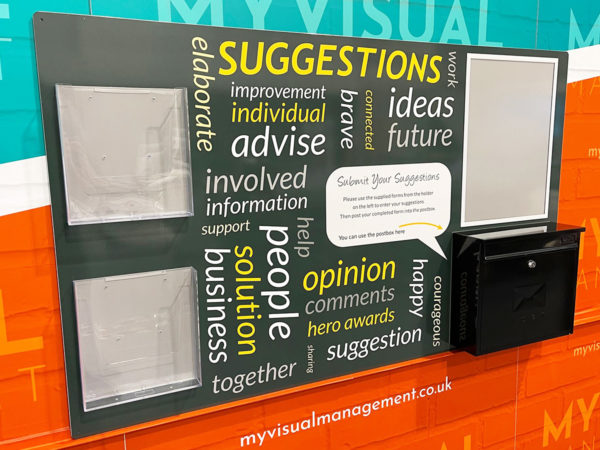
Provide visual means for employees to feel heard, seen and valued.
Further examples


Team Management Standard board
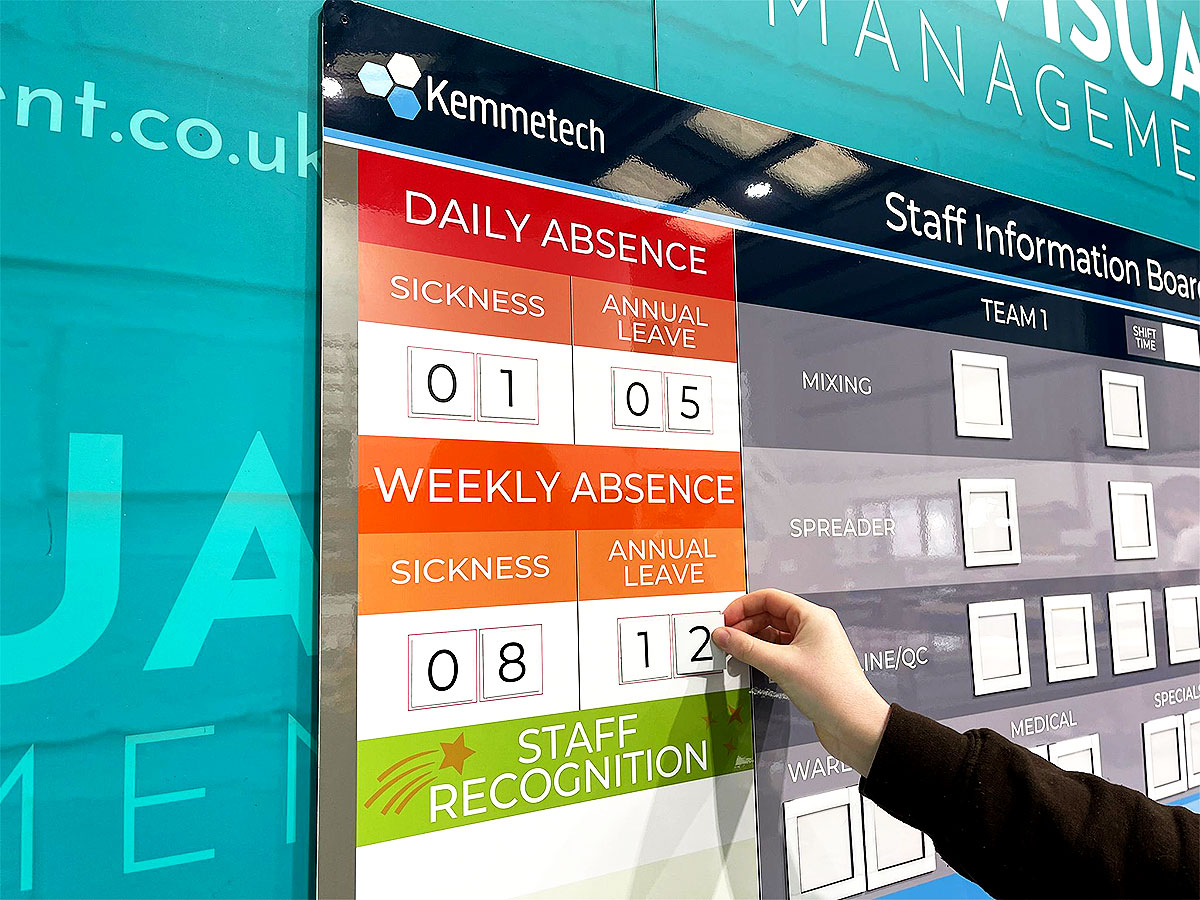
Show staff absences visually

Magnetic Labels
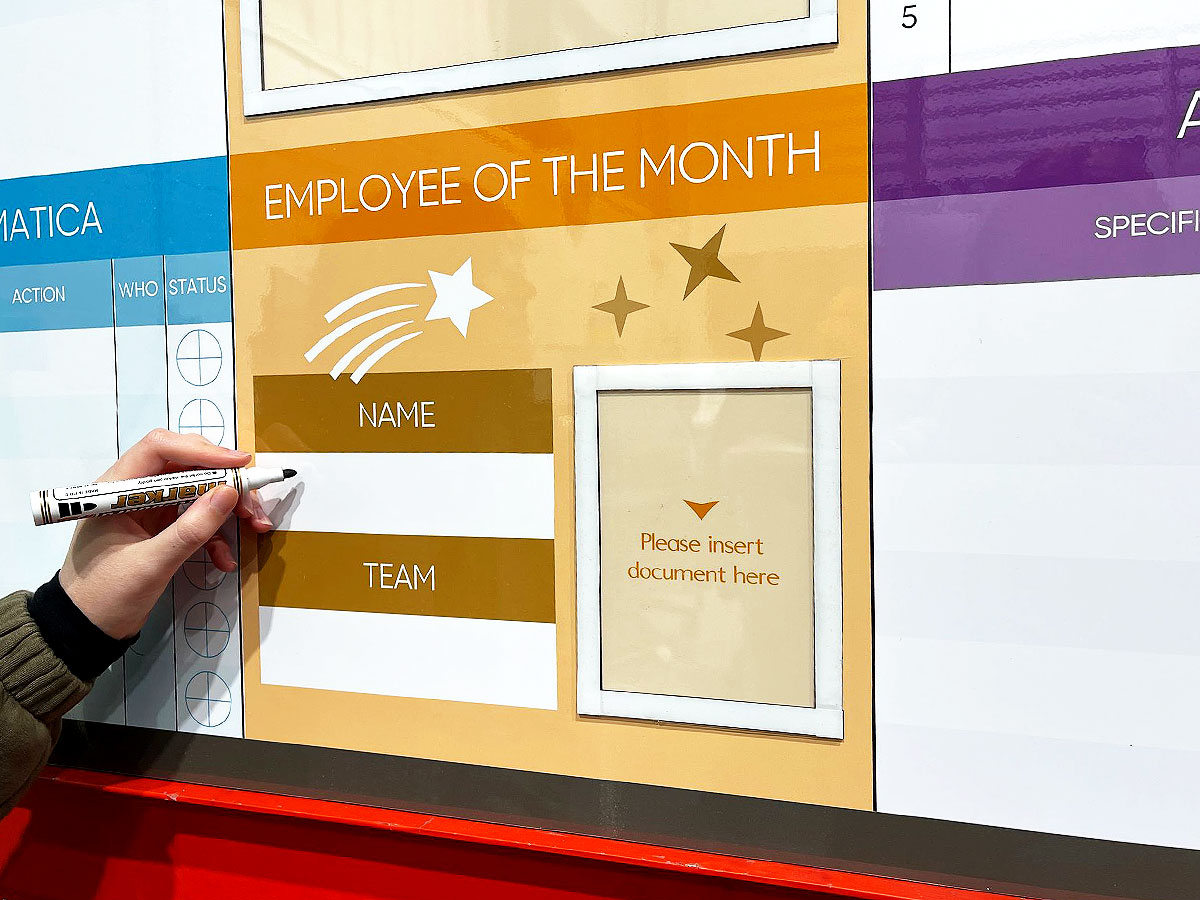
Team Huddle Board

KPI board with document holders

Star of the Month Board

Logistics Team Update board

Purchasing Team board

Monthly Planner

Staff Attendance board

Shift communications

Meet the Team

Team Management Board
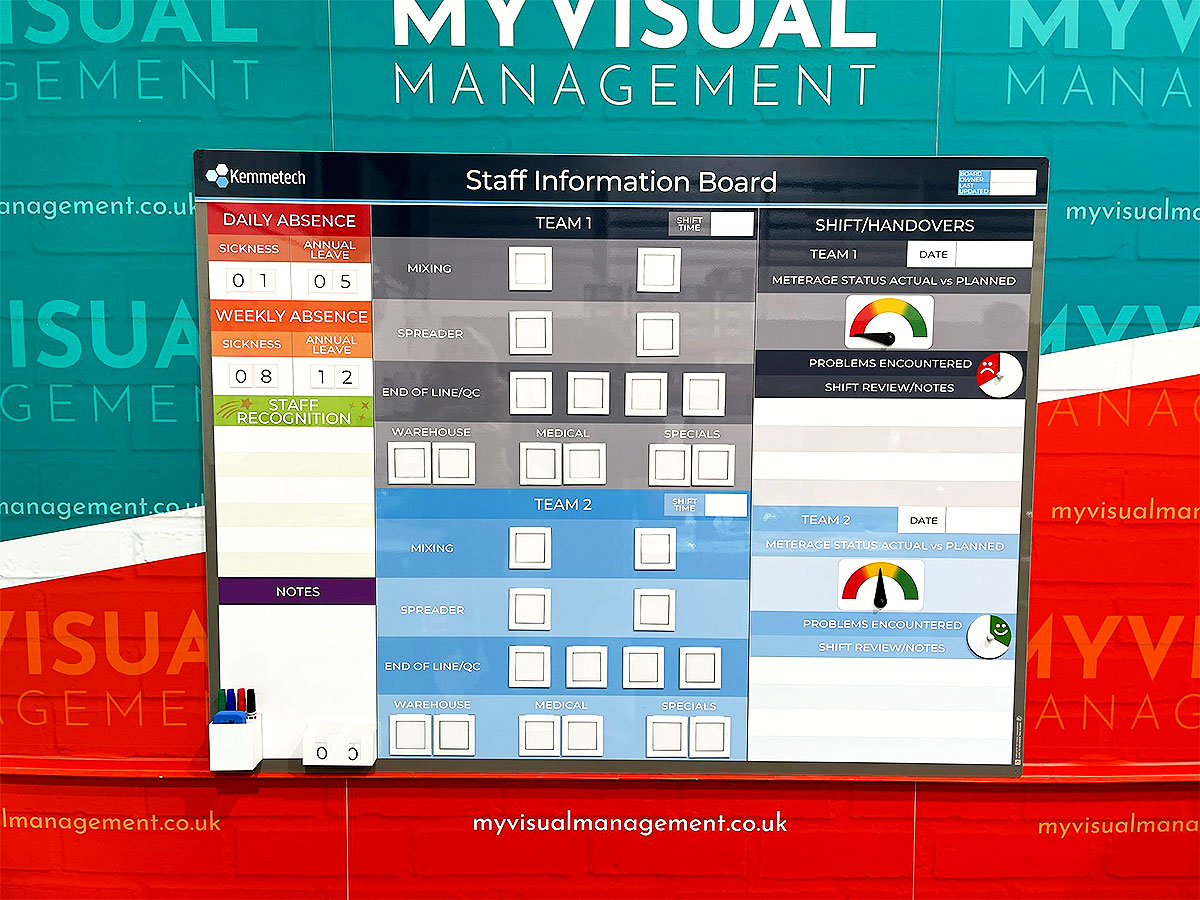
Staff Information board

Multi and single sheet document holders

Fleet team management

Show your supervisors

Employee Forum board

Employee Notice Board

Colour code your shifts

Your Voice board

Team Meeting printed whiteboard

Shift Information board
Purchasing Team board

Engagement Board
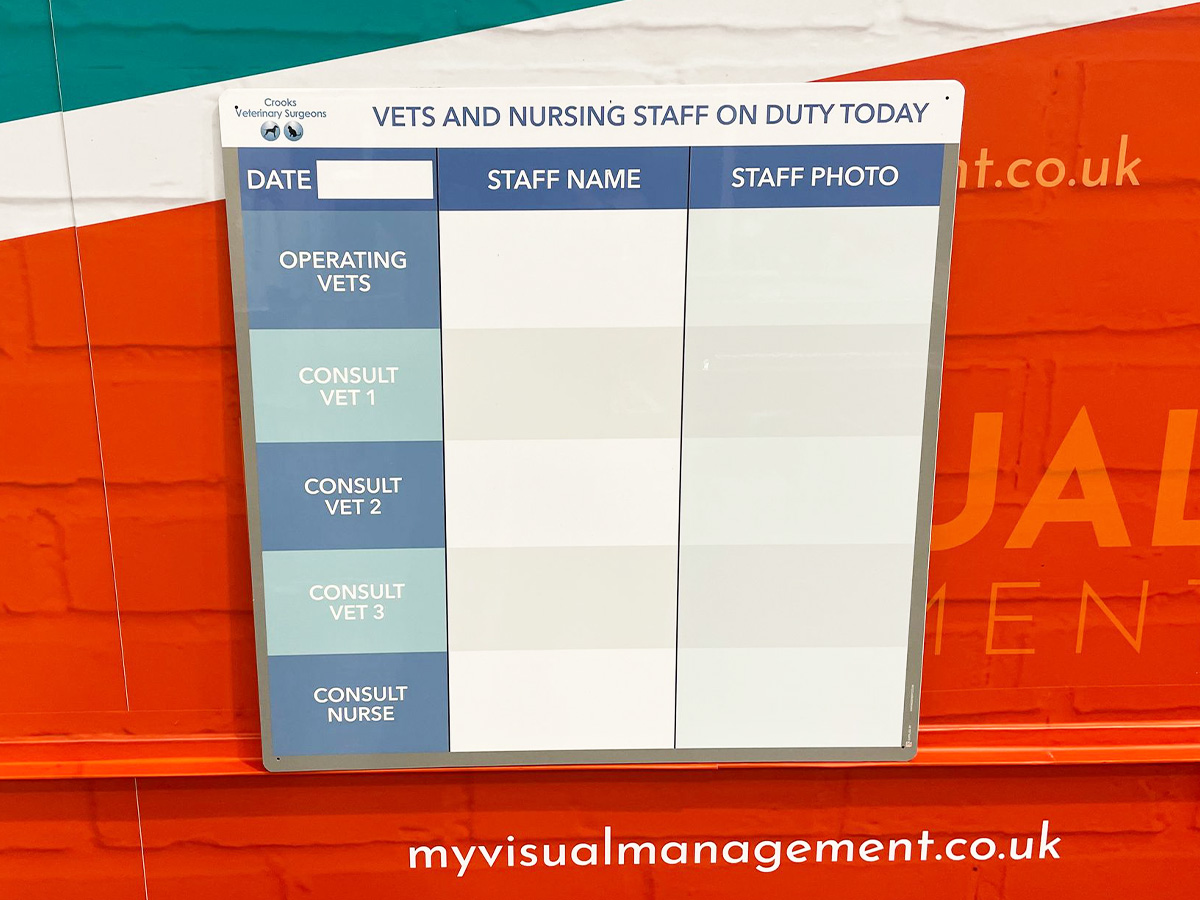
Staffing board

Show your First Aiders

Show your Fire Wardens

Team Planner

H&S team board

You Said We Did Board

Suggestions feedback board

Meet the Team board

Operations board

Nationality Champions board

White postbox for feedback

HR Compliance Board

You Said We Did board

Teams Shift Board

Encourage feedback from your team

Kaizen room meeting schedule
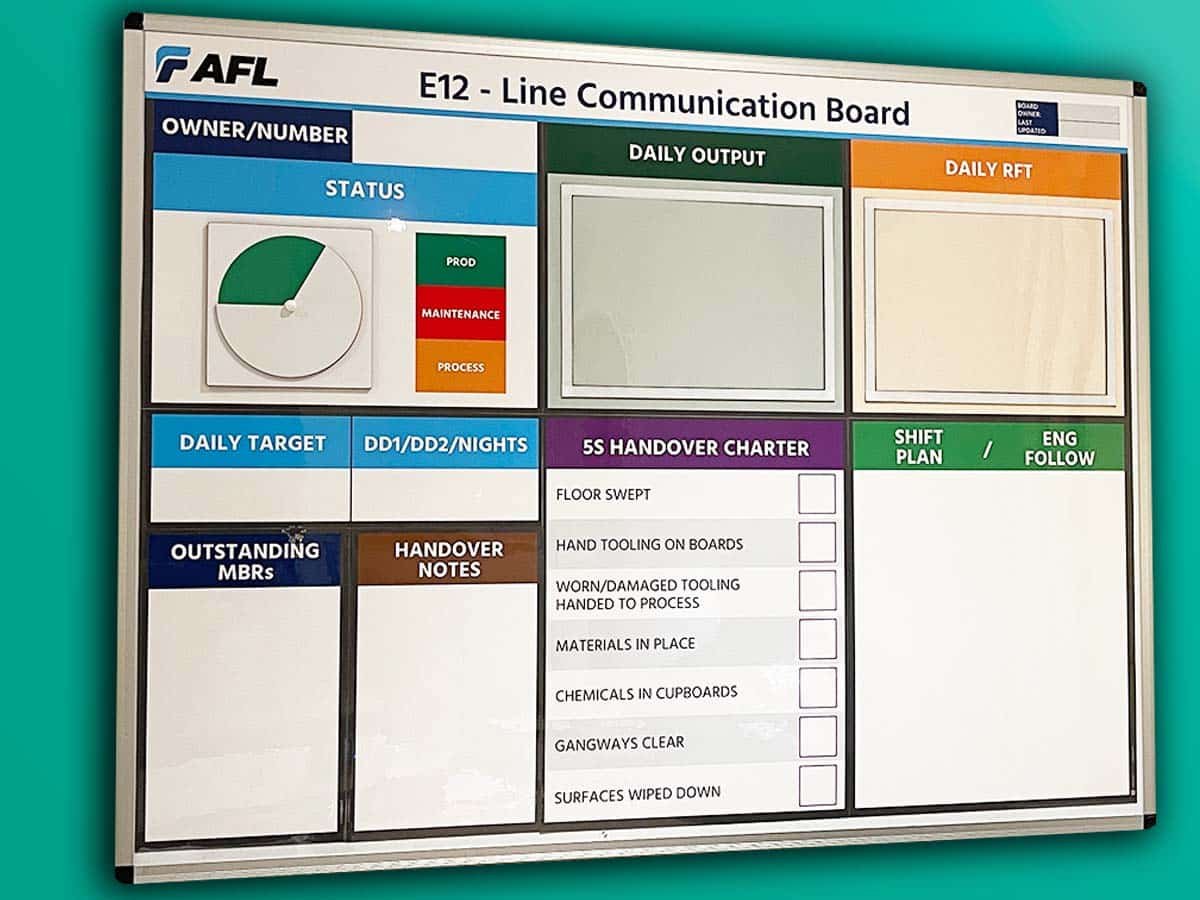
Line communications board

Values board with document holders

Team KPI Communications board

Safety board for your team

Name your First Aiders
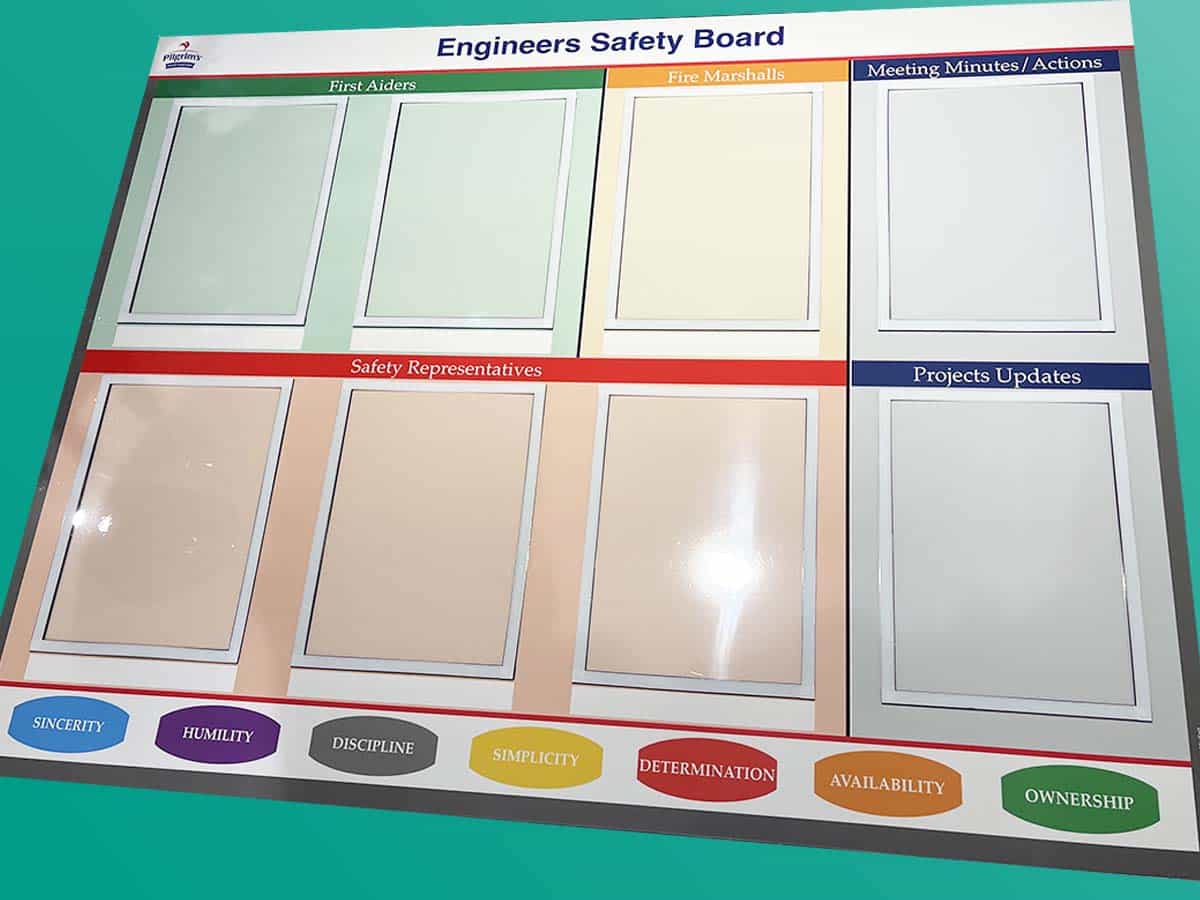
Engineers Safety board

NHS team board

Display info with document holders

Display permit information

Mental Health First Aiders board

Daily Safety Briefing board
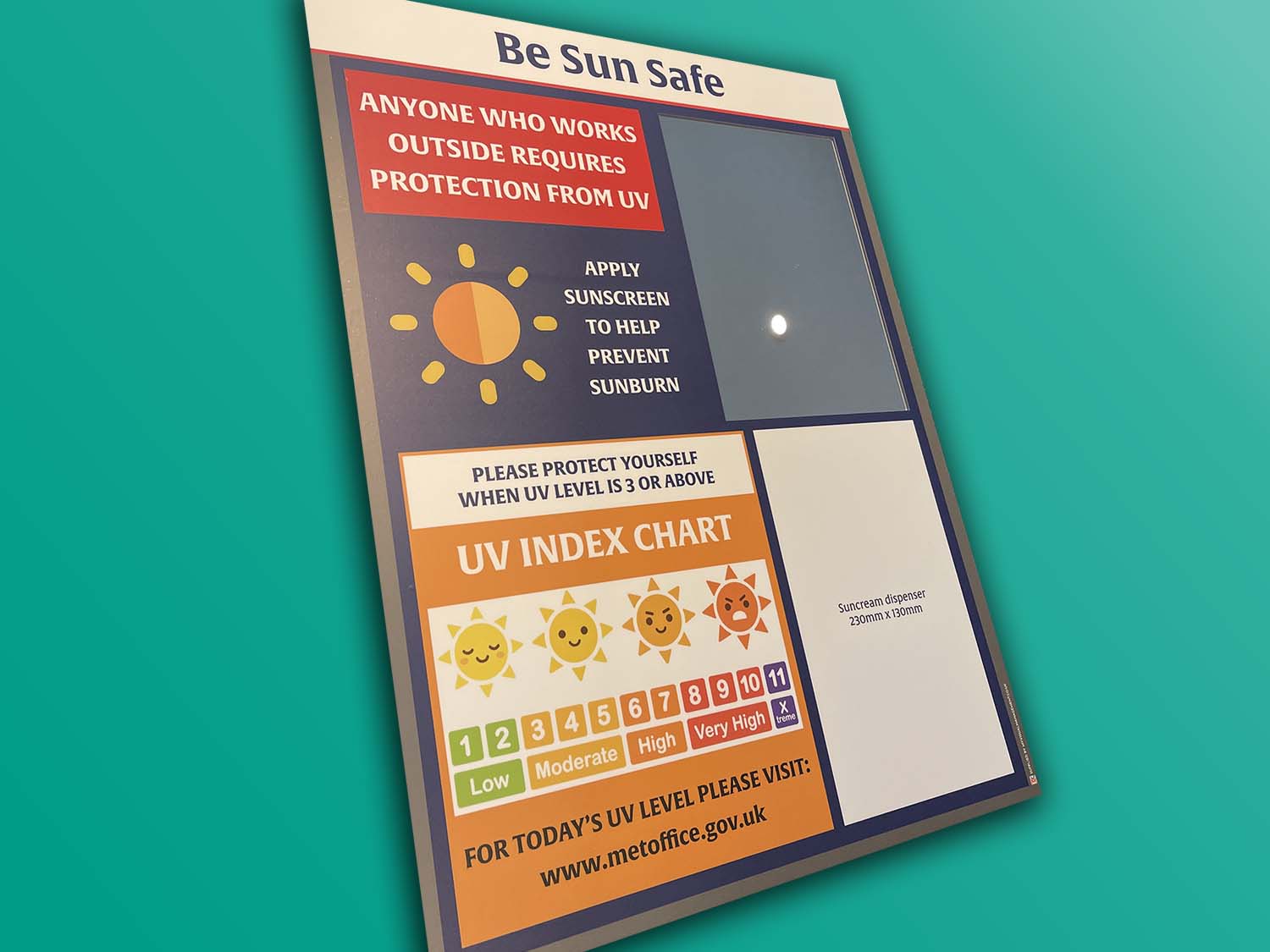
Sun Safe board

Policies and accreditations board

Single sheet document holder

Use for your department meetings

Add a postbox to a suggestions board
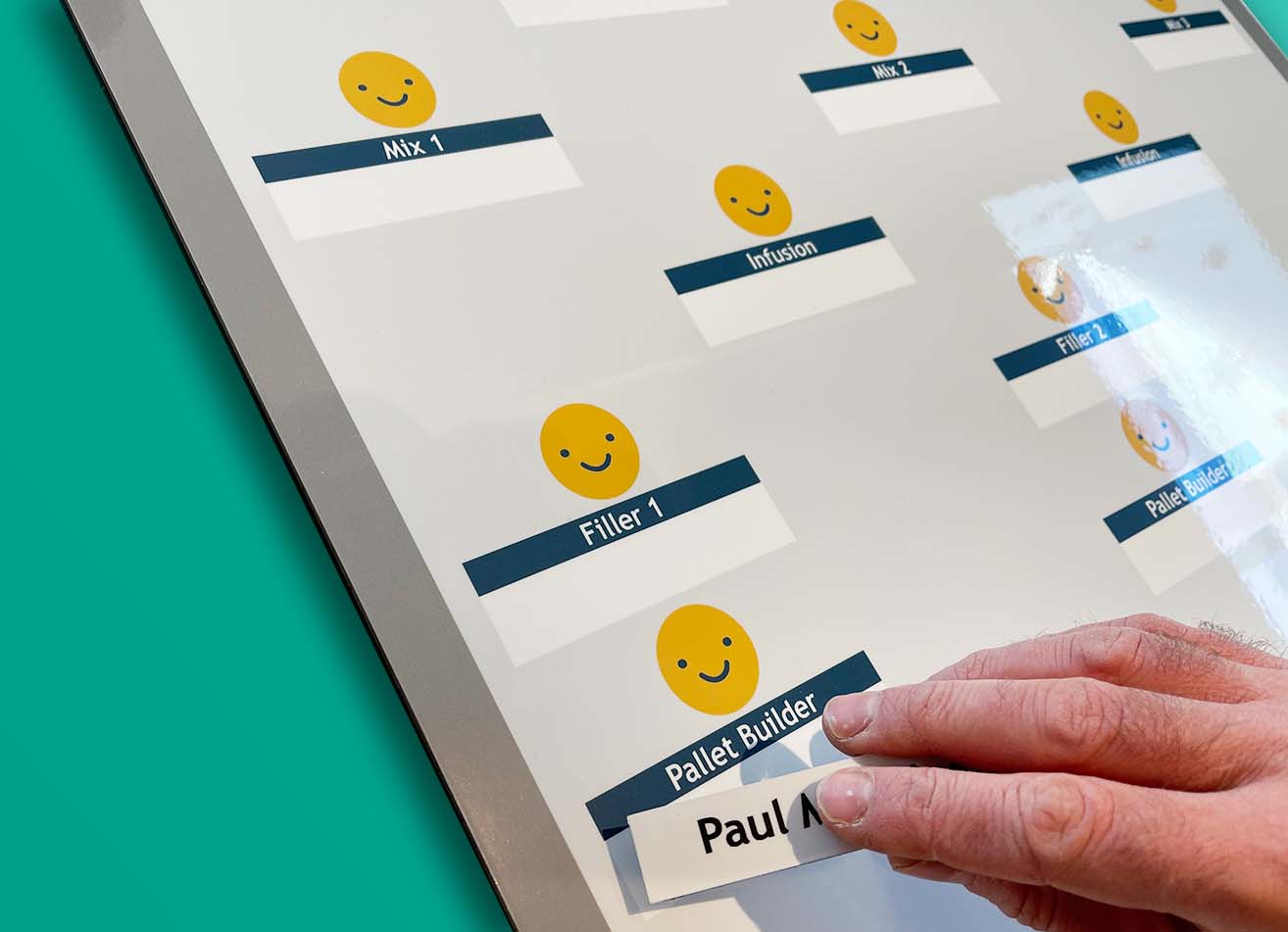
Use magnetic labels for your team

Suggestions board in four languages

Look after your staff

Display shift pattern information

Team management board

Use forms with a suggestions board

Contractor management board

Daily shift information displayed visually
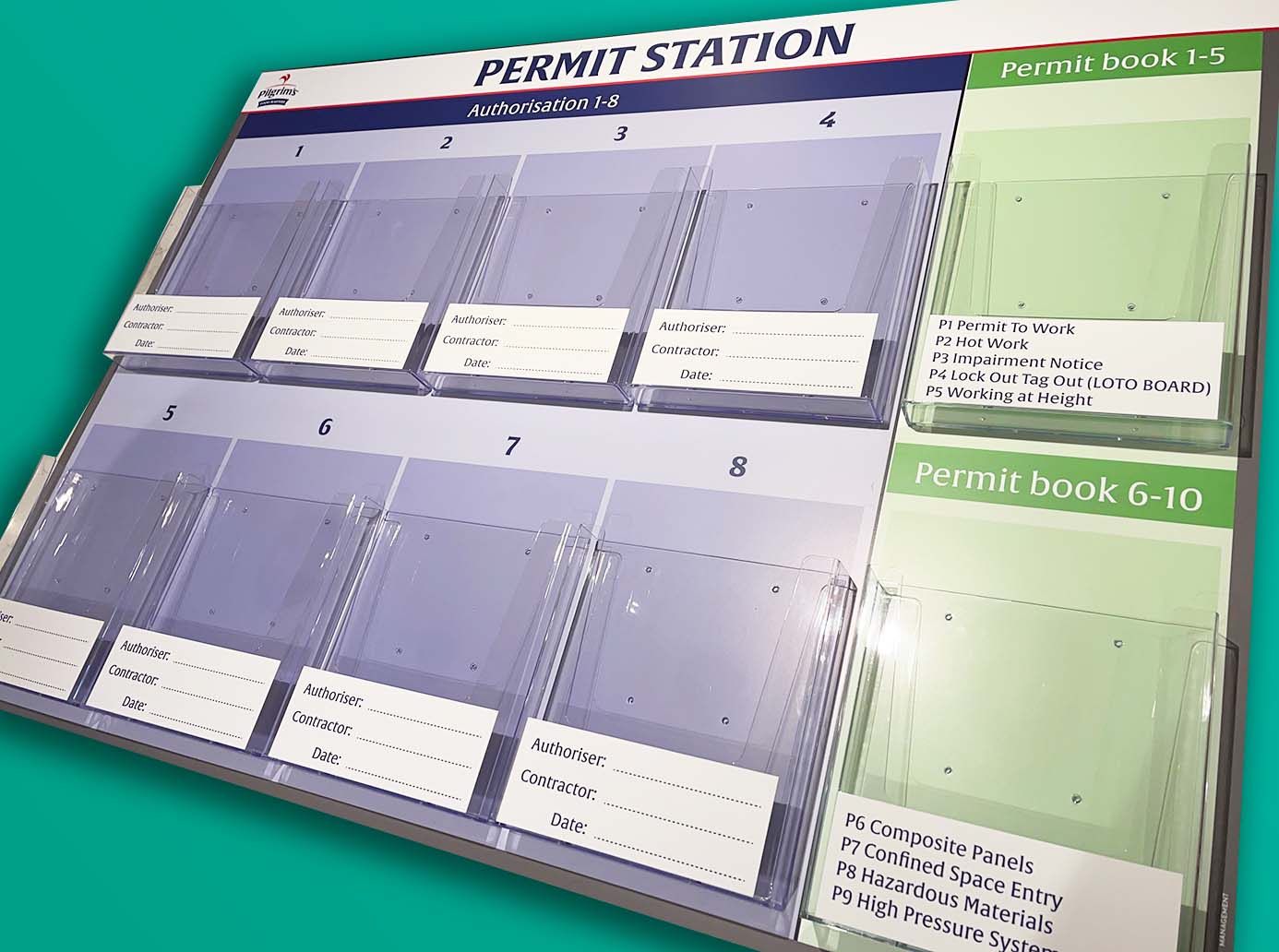
Multiple sheet document holders

Store multiple tickets safely
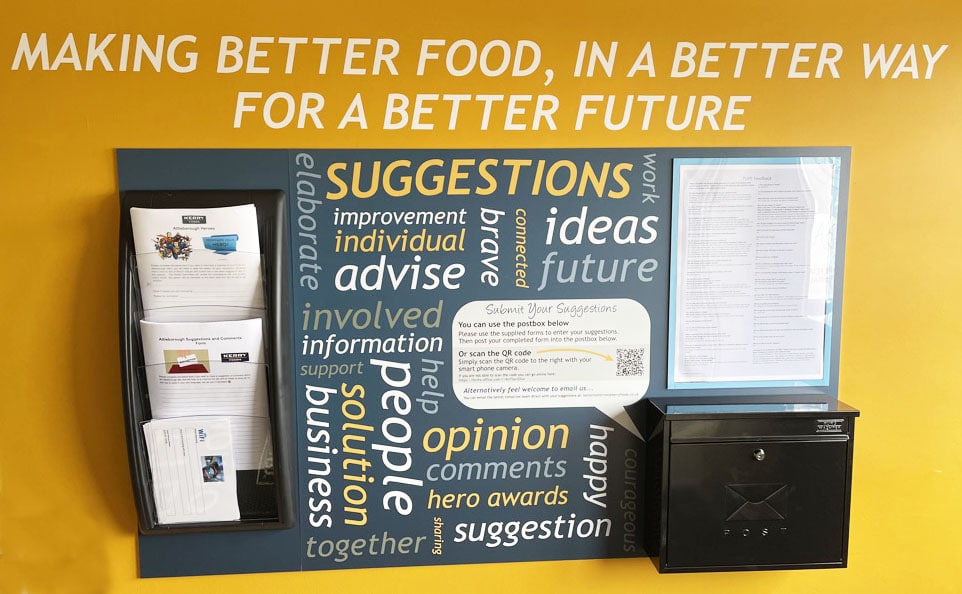
Suggestions board for your team

Use colour coding to manage your team

Project Planner Board

Manage shifts with a monthly planner

Lockable display cabinet

Custom noticeboards

Magnetic headings

Evening shift team management board

Magnetic numbers

Customised team management board

Holiday planner board


Our Approach
We create visual management boards everyday. As a result we have plenty of experience. We work for organisations in food production, the power industry, national rail, pharmaceuticals, education, healthcare, packaging and distribution.
Our team works with a simple idea or sketch and creates a professionally designed layout. This is then turned into a highly functional visual management board.
We offer customised options because we want to create the perfect board for you. So, here are a few examples. We can add magnetic areas or a dry-wipe finish (for use with whiteboard pens). Furthermore, you can choose Red/Green sliders or R.A.G. (Red, Amber, Green) status dials so you can quickly and visually update your board. These are just a few examples of the ways in which our boards can be tailored to meet your needs. You may also be interested in whiteboard overlays that can be used on top of an existing magnetic board.