

Visual management is widely used to improve communication, track performance and support daily operations. However, not all visual systems deliver the same results. Importantly, the difference is rarely the information displayed. Instead, it comes down to whether the system becomes part of how people work every day.
From Displaying Information to Driving Behaviour
At its most effective, visual management supports action. It helps teams quickly understand what is happening, what is expected and what needs to be done next. Because of this, decisions become easier and more consistent. When used daily, visual systems begin to shape behaviour, not just communication.
At its most effective, visual management does more than show data. It supports action.
Design Principles for Visual Management That Works
Clarity at a Glance
Effective systems are understood immediately. They avoid clutter, unnecessary detail and complex interpretation. Instead, they make it clear what good looks like, what is off track and what requires attention. This level of clarity is particularly important in safety-critical environments, where systems such as lockout boards need to be easy to follow and consistently applied.
When systems are obvious, teams can act quickly without hesitation.
Focus on What Matters
The value of a board depends on what it shows. Too much information reduces clarity, while too little limits usefulness. For this reason, choosing the right KPIs is critical. Effective systems focus on meaningful metrics, actionable data and information that supports decisions. This is especially relevant in environments such as food production, where maintaining consistent standards is essential. When content is relevant, teams are far more likely to engage with it consistently.
Effective visual management focusses on meaningful metrics, actionable data and information that supports decisions.
Simple and Easy to Use
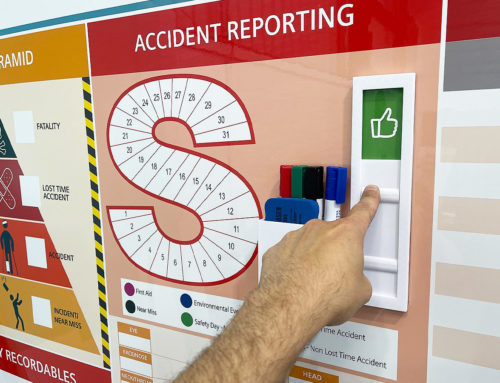
If a system is difficult to update, it will not be maintained. Ease of use is essential. This includes simple updates, intuitive layouts and minimal effort to interact. In practice, small design details make a significant difference. Physical interaction, such as moving sliders or placing magnets, helps make the process more engaging and easier to repeat. This is one reason why visual KPI boards and tracking systems are often more effective when they are actively used rather than passively displayed.
When systems are easy to use, they are far more likely to become part of daily routines.
Clear Ownership and Responsibility
Teams should understand who updates the board, who reviews it and who takes action. Where possible, ownership should align with individual roles and strengths. This is particularly important in processes such as contractor control, where clarity around responsibility helps reduce risk and improve coordination. Without this clarity, even well-designed boards can lose effectiveness over time.
For visual systems to work, responsibility must be clear.
Building Daily Habits
Consistency comes from repetition. This might include regular updates, routine team reviews and use during decision-making. Over time, this repetition builds habit. Eventually, the board becomes part of the workflow rather than something separate from it. This is also where visual systems support wider operational goals, such as maintaining audit readiness and consistent standards across teams.
Visual systems are most effective when they are used daily.
Balancing Consistency and Engagement
There is a balance to strike. If systems are too repetitive, they can be ignored. If they are too complex, they become difficult to use. The most effective visual management sits between these extremes. It combines consistency in structure, clarity in layout and enough interaction to maintain engagement. This balance helps systems remain both useful and sustainable over time.
Good visual management strikes the balance between supporting consistency and sustainable engagement
Making Work Easier to Do Well
When systems are clear, relevant, easy to use and consistently applied, they reduce friction in day-to-day operations. As a result, teams can understand expectations, maintain standards, track progress and respond to issues. In environments where hygiene and compliance are critical, this also supports systems such as allergen control and consistent process execution. Importantly, this creates consistency across people, shifts and processes.
At its core, visual management is about making work easier to do correctly.
A Practical Approach to Lasting Improvement
Adjusting a layout, refining a KPI, or improving how a board is used can strengthen performance over time. Gradually, these improvements help visual management move beyond communication. Instead, it becomes a practical tool for supporting daily habits and continuous improvement.
Small, iterative changes often have the greatest impact
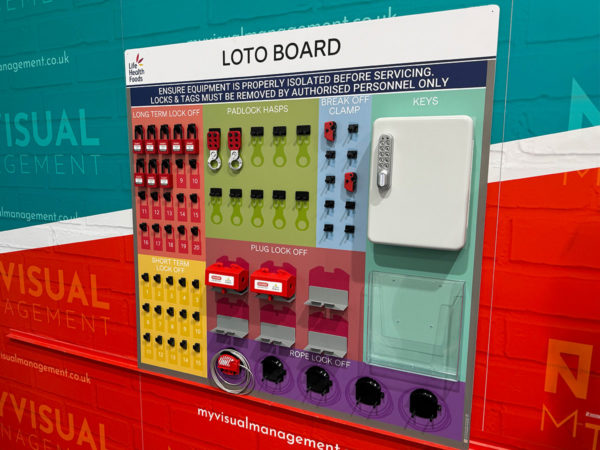
Lockout systems help ensure energy isolation procedures are followed safely and consistently.
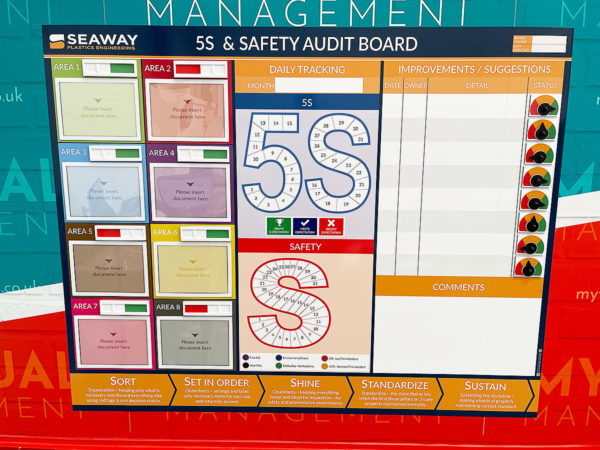
5S systems help create organised workspaces where standards are clear and easy to maintain.
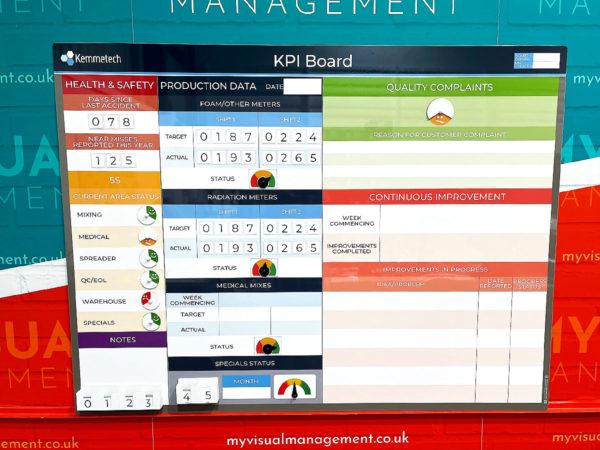
KPI boards help teams track performance clearly and respond quickly to changes.
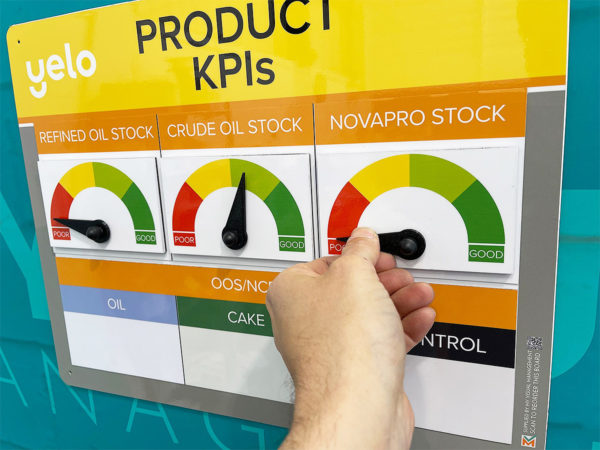
Clear KPI boards support consistent tracking and help teams stay focused on what matters.
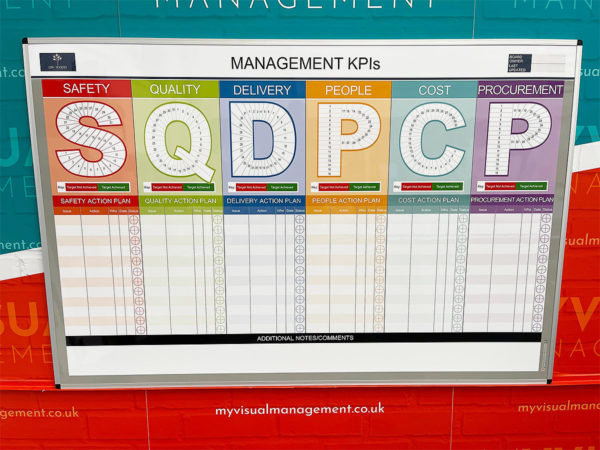
Daily KPI tracking helps teams maintain focus, identify issues early and support continuous improvement.
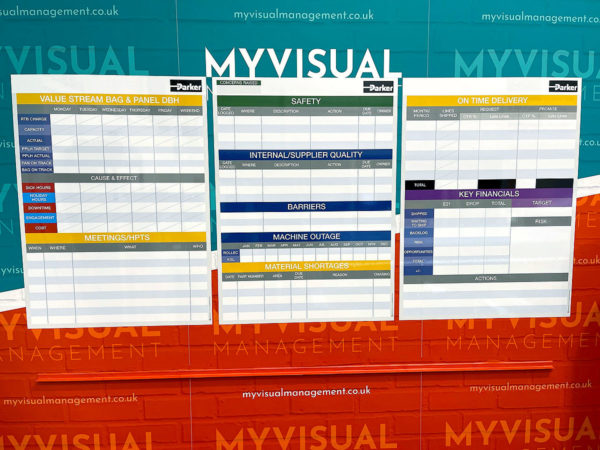
Gemba boards support structured daily reviews, helping teams stay connected to what is happening on the shop floor.
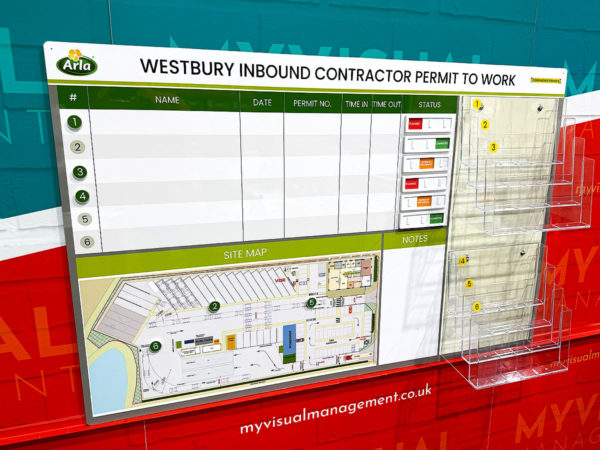
Contractor control boards help teams manage site activity and maintain clear oversight of ongoing work.
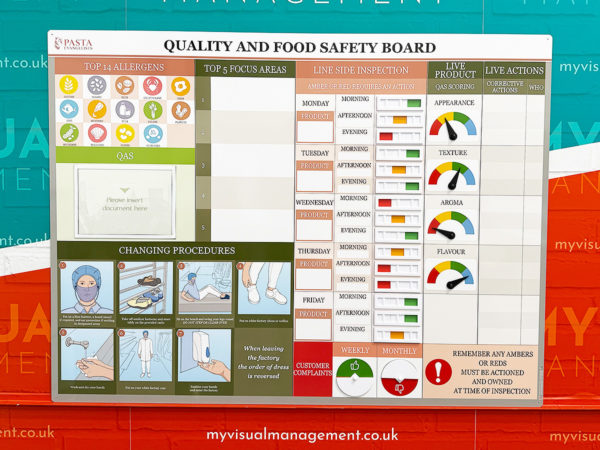
Allergen control boards help teams follow correct procedures and maintain clear separation of risks.
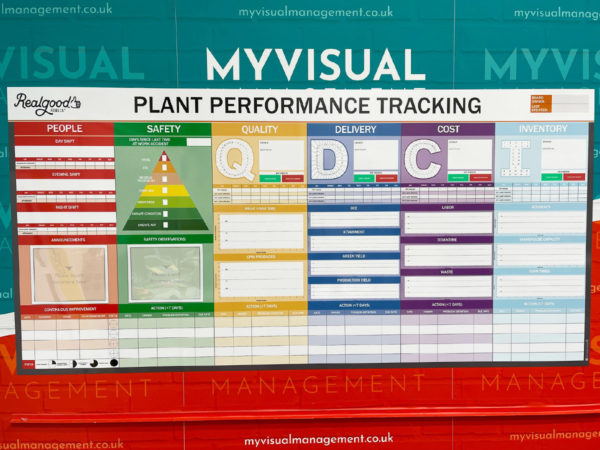
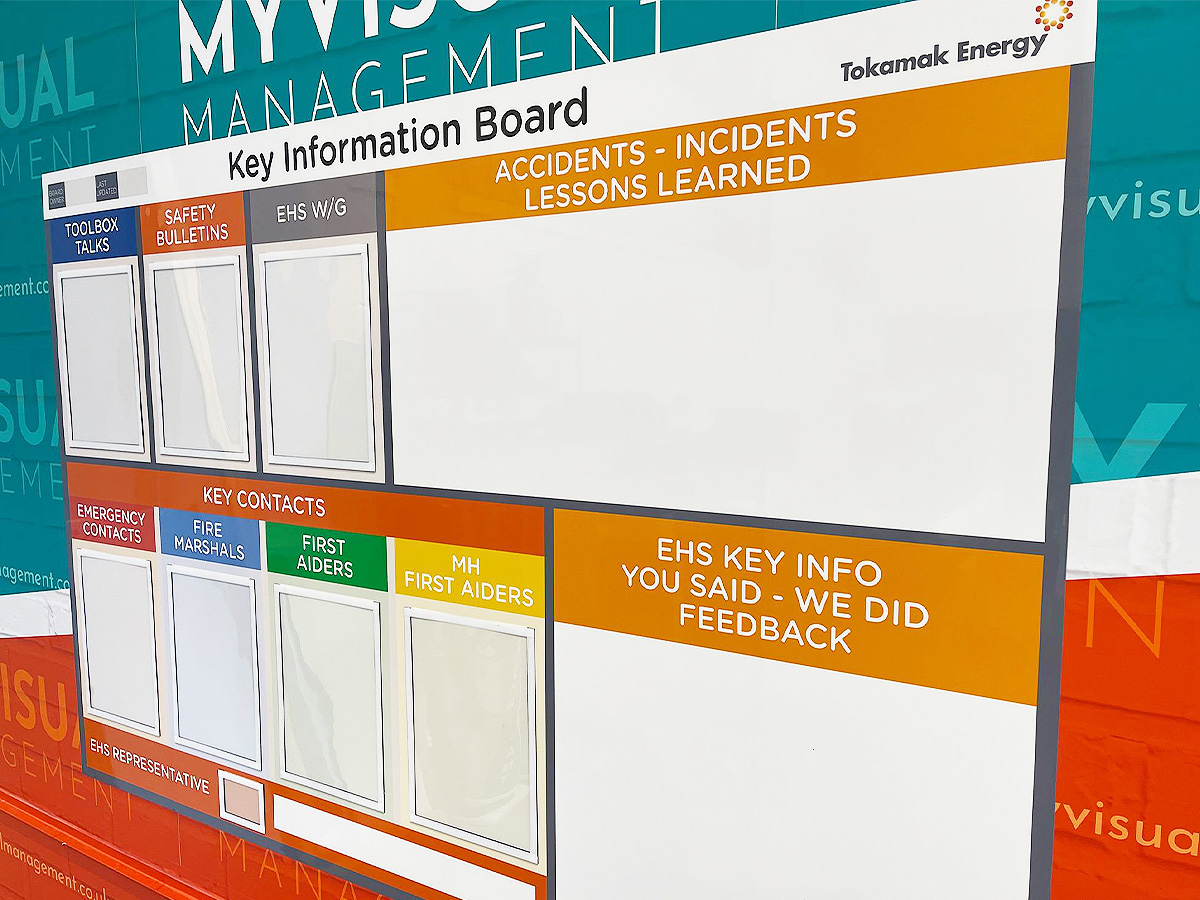
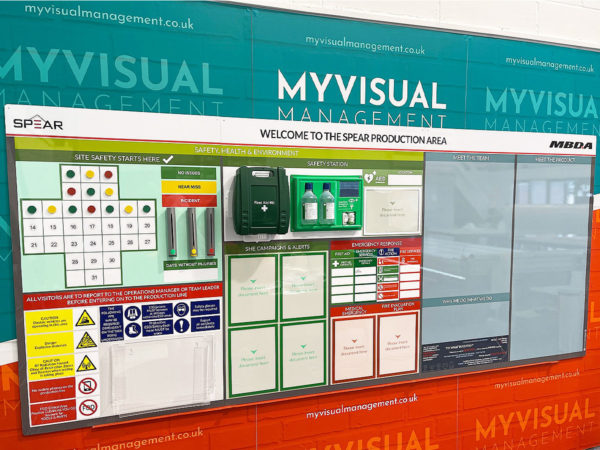
Including safety within performance boards helps ensure it remains a visible and consistent part of daily operations.
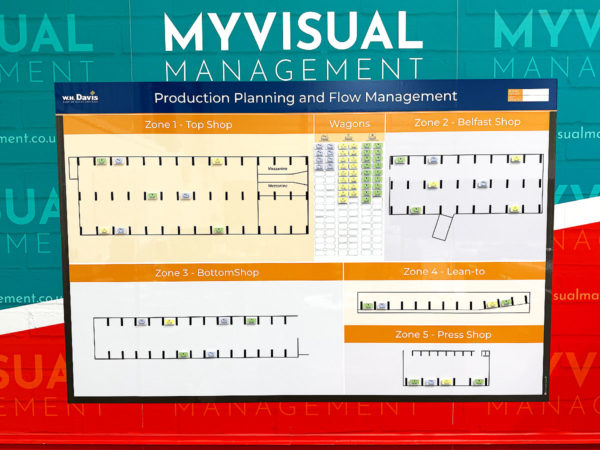
Production planning boards help teams manage workflow, priorities and capacity throughout the day.


Further examples of our Boards


KPI status with status indicators

KPI daily meeting board

Supply Chain KPI board

Operational KPI board

KPI board with document holders

KPI board status meters

Daily KPI Board

Site KPI Board with modular magnetics

KPI board with board accessories

Product KPIs board with status meters

Production Floor KPIs

Management KPIs for SQDPCP
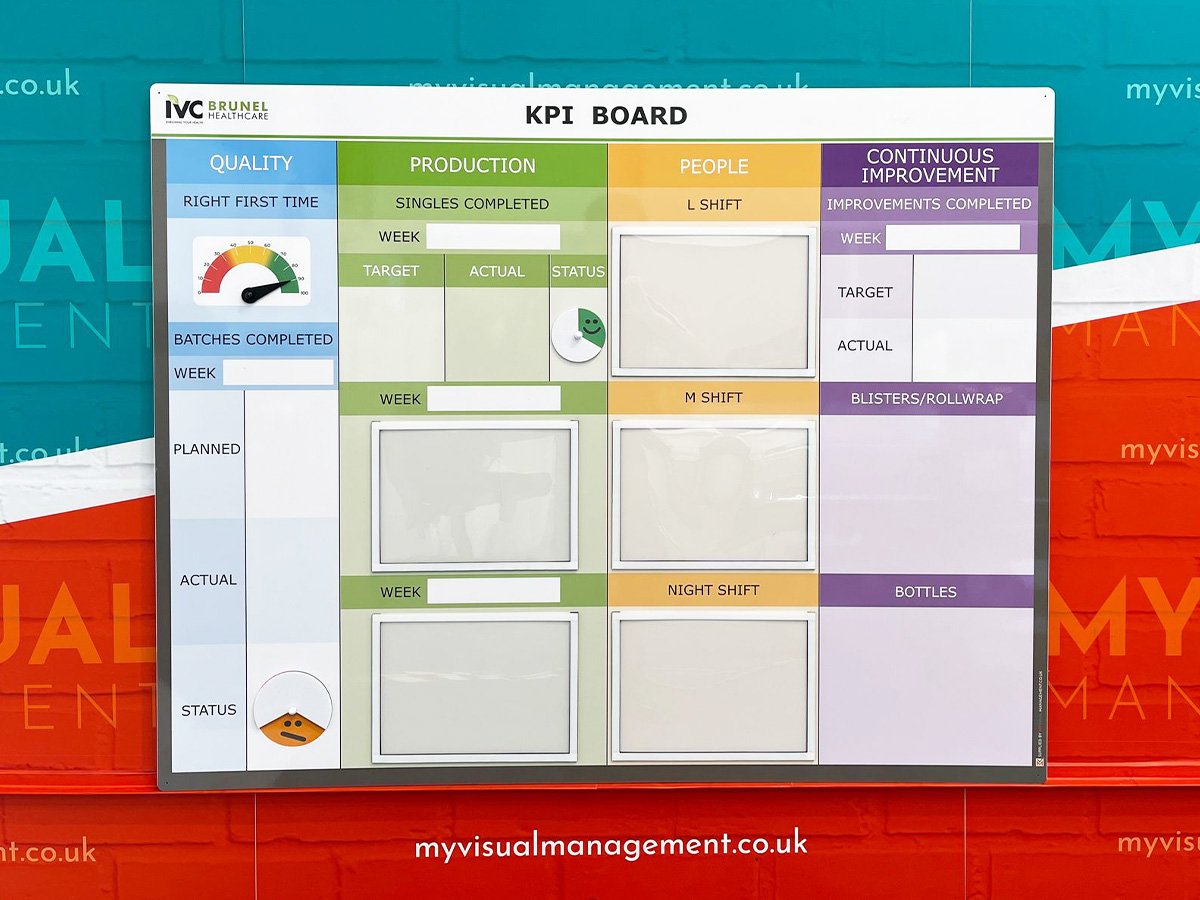
KPI board with accessories

KPI board with document holders

Department KPIs

KPI board with status meters

KPI board with status sliders

Monthly KPI Board

KPI dashboard

Operational KPIs Board

Sales & KPI Tracker
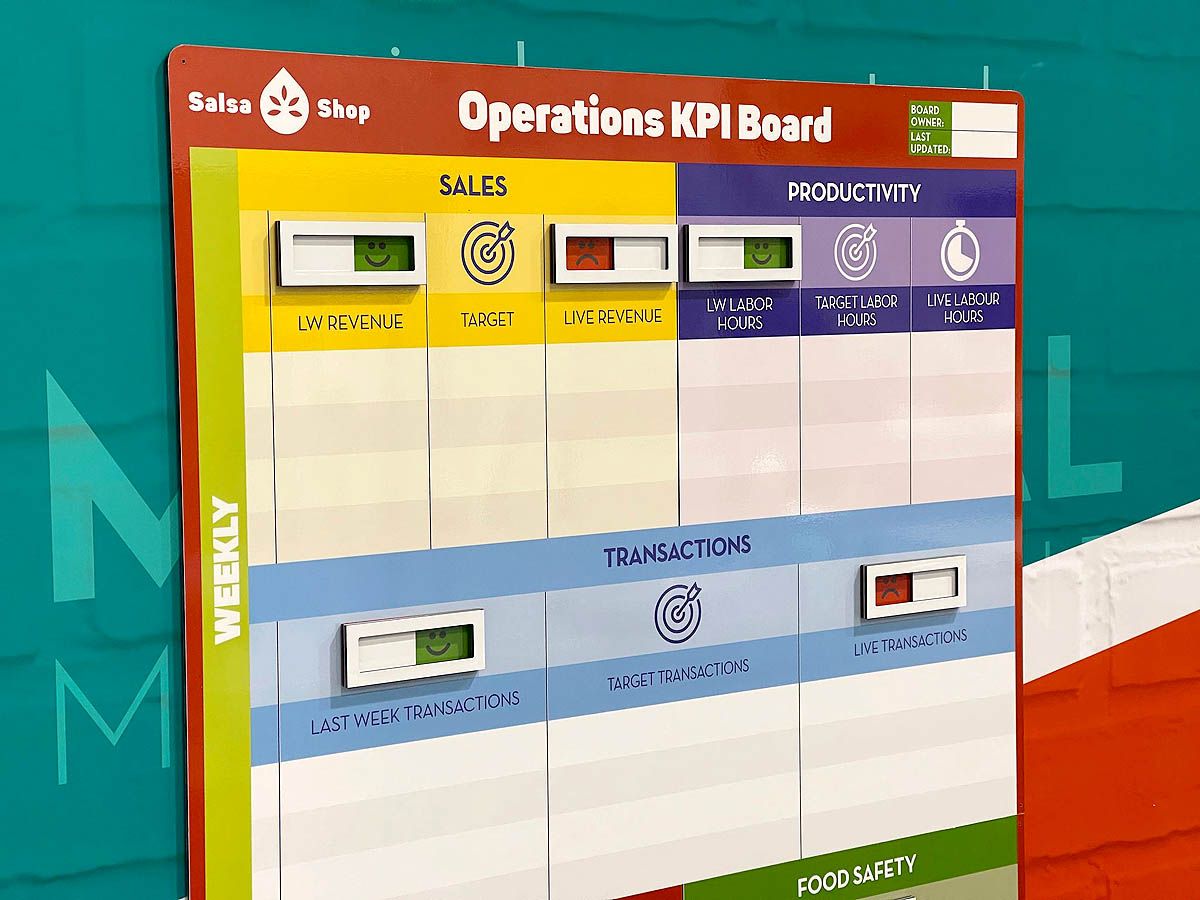
Include status sliders to track KPIs

Track your global KPIs
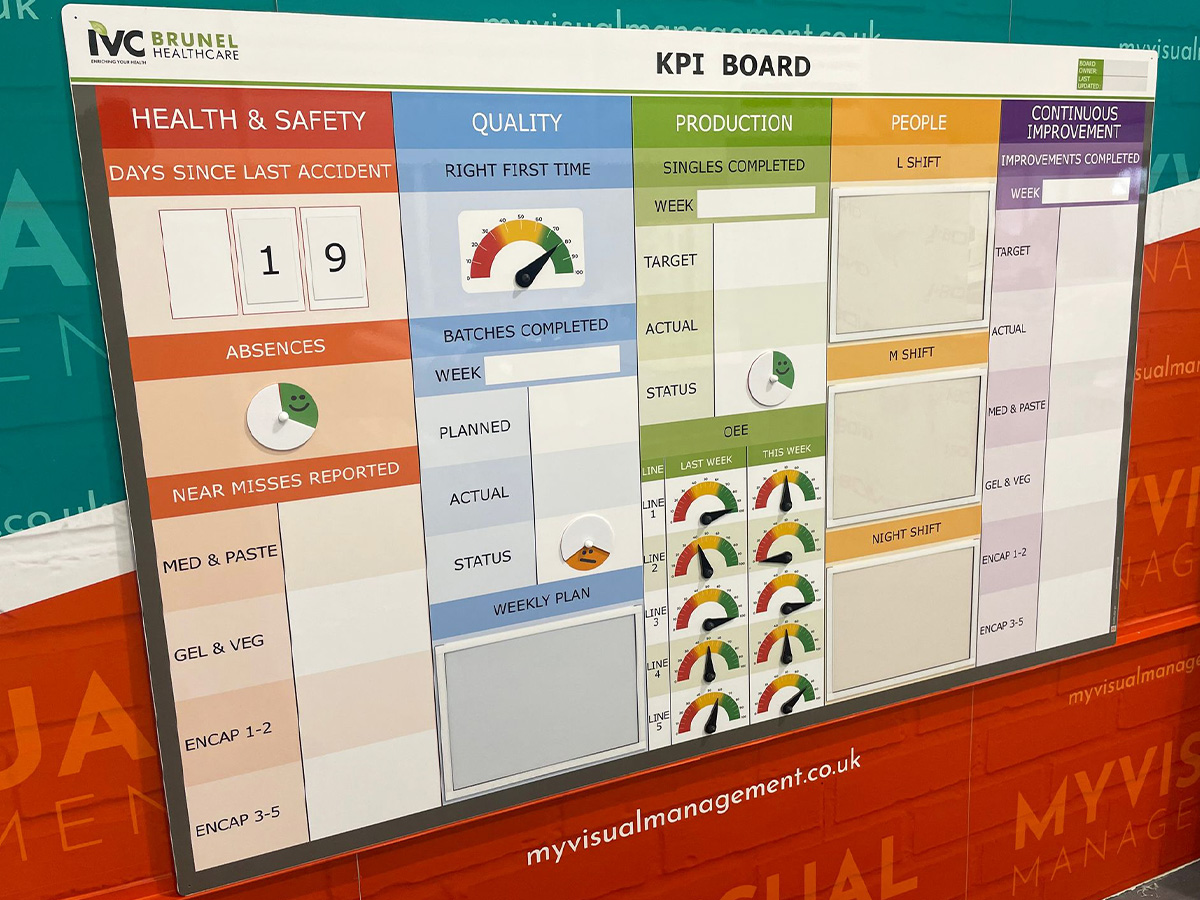
KPI board with status accessories

Choose which KPI metrics to track

Colour coded KPI board

Coloured coded KPI Board

Range of KPI document holders

KPI Board with magnetic headings

KPI board with document holders

KPI Board with document holders

Warehouse status KPI Board

Updatable KPI magnetic headings

KPI status meter tracking

Polish KPI board

Colour coded KPI Board

Production KPI with document holders

KPIs for distribution
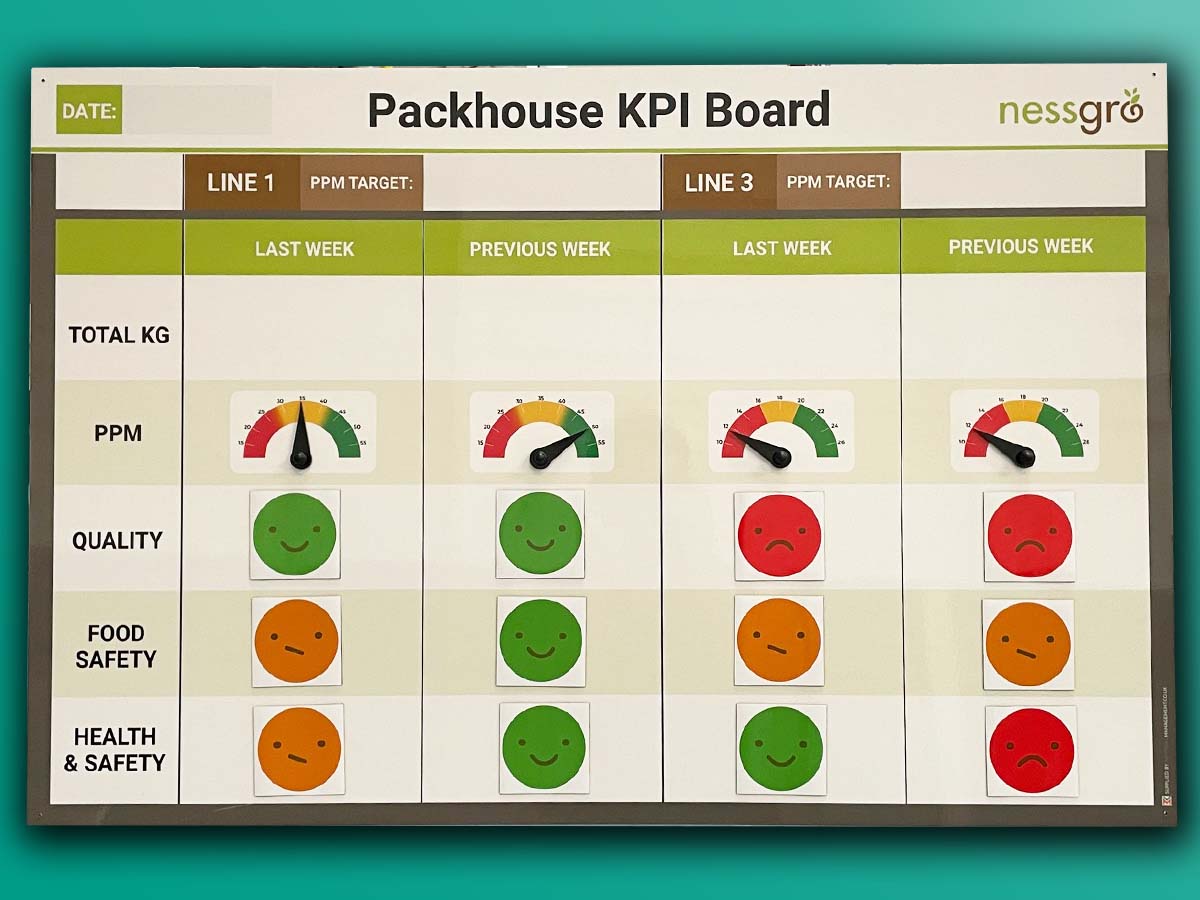
Production KPIs with status indicators

OPEX board

Operations KPI Board

KPI tracker with green tick status

Operations KPI with document holders
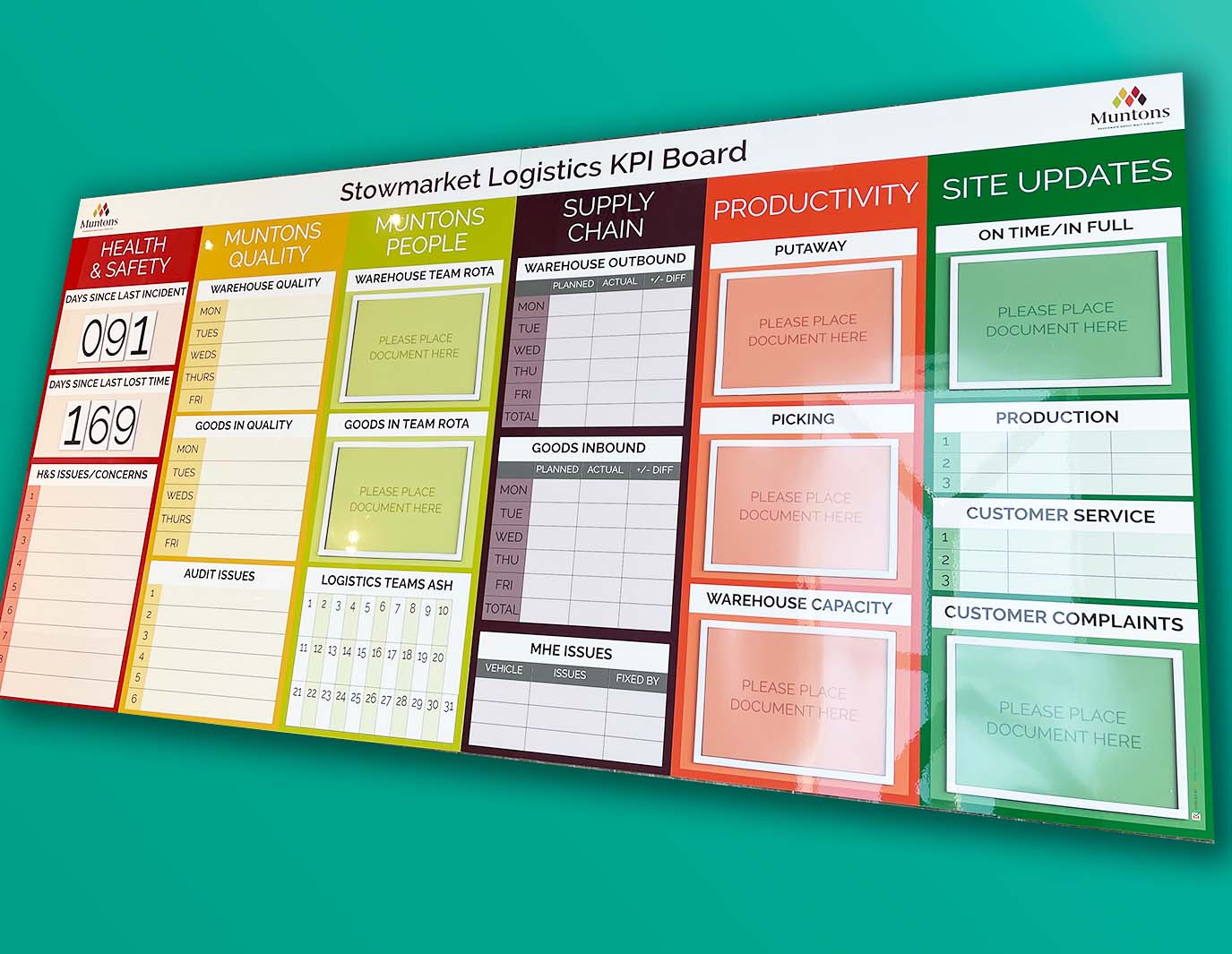
Logistics KPI board

Engineering department KPI board

Use for your department meetings

Track your logistics KPIs

Add document holders to your KPI board

Show your objectives and results

Use custom made status indicators

Double sided magnetic status labels

Magnetic overlay for your KPI board

Make your KPI board multilingual

Food production KPI board

Multilingual KPI board

Dry wipe status circles

Custom quality control materials board
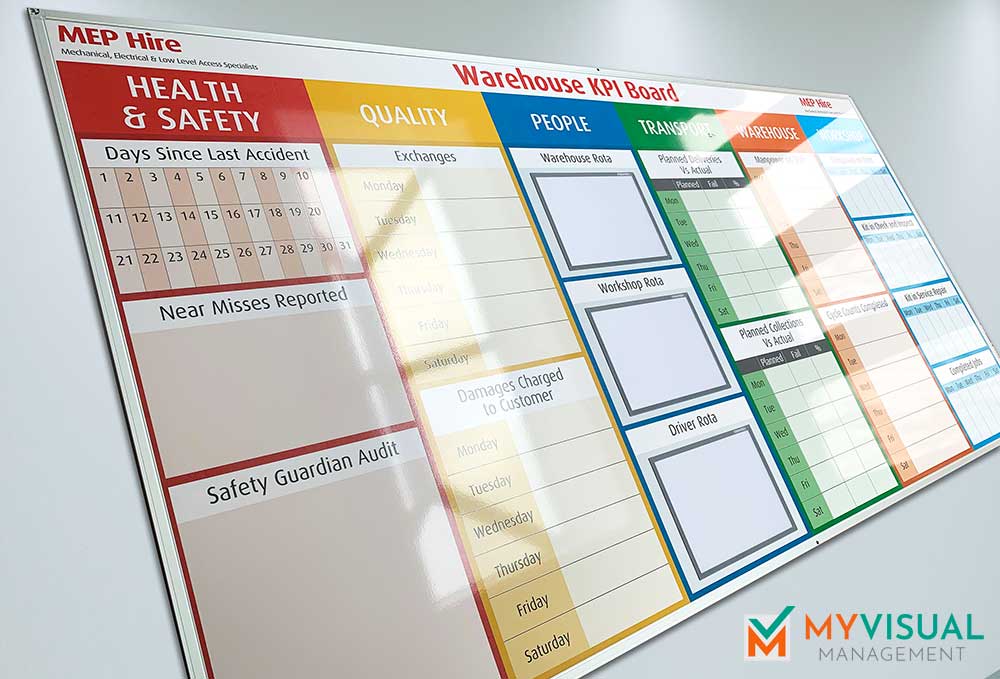
Customised KPI board

Show progress with status dials

Magnetic indicator titles
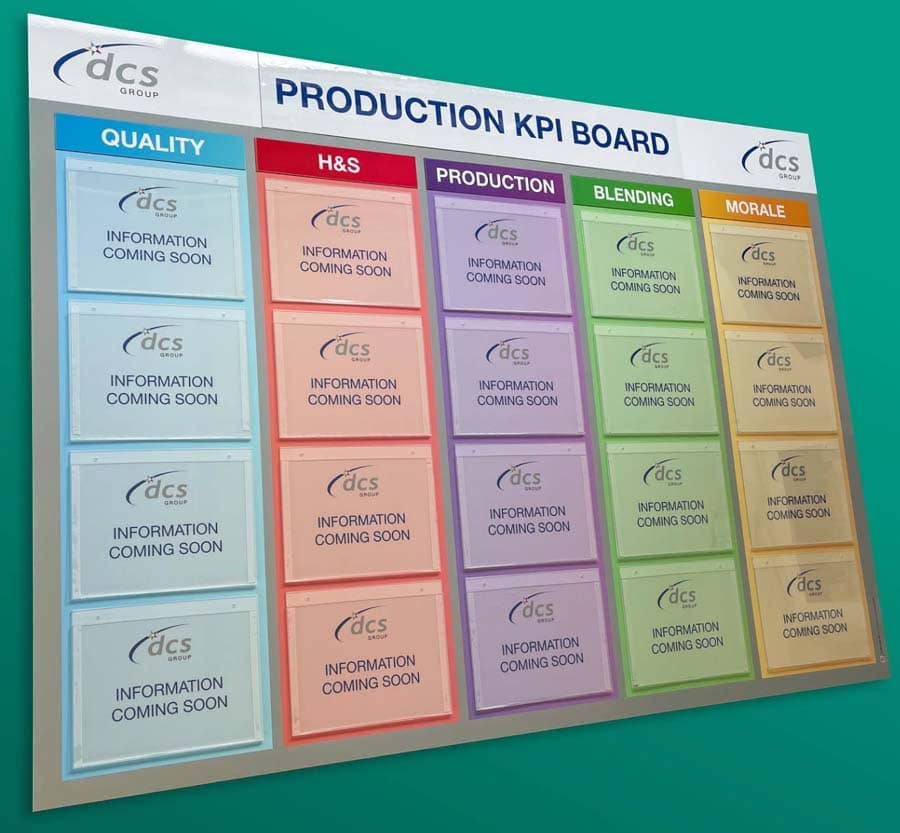
Production KPI board

KPI board with magnetic title

Dry wipe board


Our Approach
We create visual management boards everyday. As a result we have plenty of experience. We work for organisations in food production, the power industry, national rail, pharmaceuticals, education, healthcare, packaging and distribution.
Our team works with a simple idea or sketch and creates a professionally designed layout. This is then turned into a highly functional visual management board.
We offer customised options because we want to create the perfect board for you. So, here are a few examples. We can add magnetic areas or a dry-wipe finish (for use with whiteboard pens). Furthermore, you can choose Red/Green sliders or R.A.G. (Red, Amber, Green) status dials so you can quickly and visually update your board. These are just a few examples of the ways in which our boards can be tailored to meet your needs. You may also be interested in whiteboard overlays that can be used on top of an existing magnetic board.